11 facts you didn’t know about alstroemeria
6 min read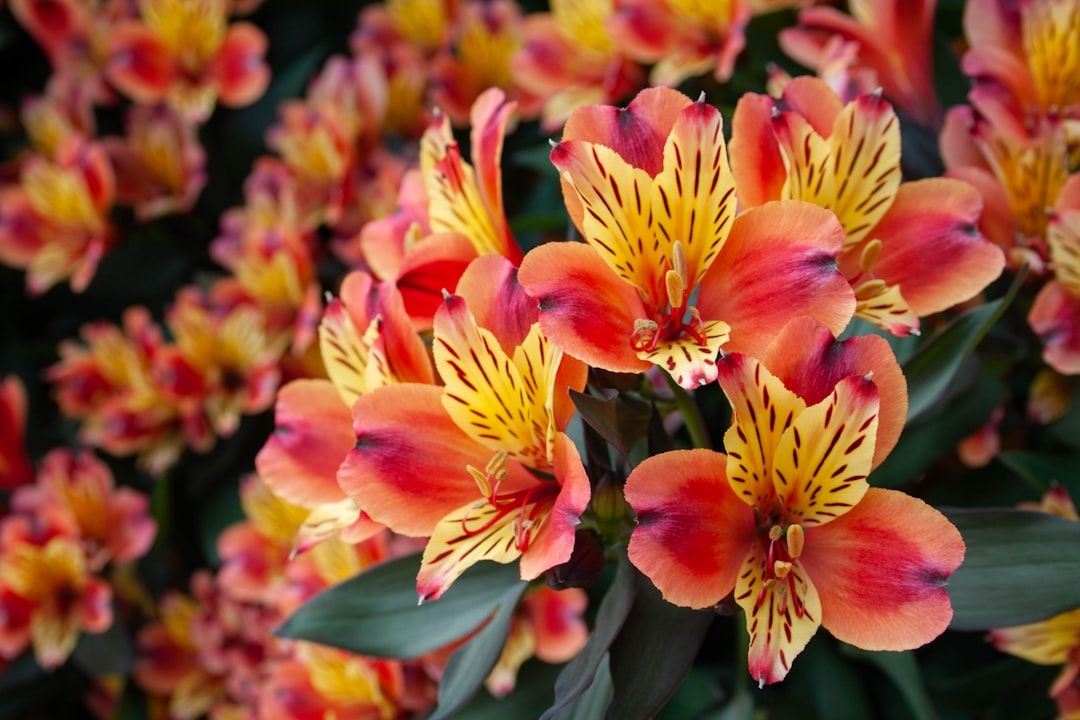
Contents:
- Quick Facts: What Makes Alstroemeria Unique? (Featured Snippet)
- Alstroemeria Isn’t Actually a Lily
- Native To Two Different Continents
- The Twisting Leaf Mystery
- A Second-to-None Vase Life
- Symbolism: Devotion, Friendship, and More
- Wide Range of Colors–But No True Blue
- Not Just a “Filler Flower”
- Non-Toxic and Pet-Friendly
- An Award Winner–And a Breeder’s Dream
- Grows Well in US Home Gardens
- The Origin of Its Name: A Nod to Friendship
- FAQ: Alstroemeria Floristry
- How long do alstroemeria flowers last in a vase?
- Can you grow alstroemeria in the US?
- Are alstroemeria toxic to cats or dogs?
- What colors do alstroemeria come in?
- Why is alstroemeria sometimes called the “friendship flower”?
11 Facts You Didn’t Know About Alstroemeria
In the corner of any bustling florist shop, you’ll find something quietly dazzling: a vase full of alstroemerias. Shy, perhaps, compared to the drama of roses or lilies, but beloved by floral designers who know what they’re worth. With their candy-striped petals and unbelievable vase life, alstroemerias–often nicknamed Peruvian lilies–work magic in bouquets across the US. You might think you know these familiar blooms, but there’s a lot more beneath the surface.
Quick Facts: What Makes Alstroemeria Unique? (Featured Snippet)
Alstroemeria, also known as Peruvian lily or lily of the Incas, stands out for its vibrant bi-colored petals, unique twisting leaves, and famously long vase life–lasting up to two weeks or more with proper care. Unlike true lilies, alstroemerias are non-toxic to humans and pets, making them a safe, budget-friendly favorite for US florists and home bouquets.
1. Alstroemeria Isn’t Actually a Lily
Despite the nickname “Peruvian lily,” alstroemerias are not true lilies. They belong to their own family, Alstroemeriaceae, and hail from South America. According to Dr. Melissa Bryant, botanist at the University of Florida, “True lilies are from the Liliaceae family. Alstroemerias just happen to look, and sometimes smell, similar.”
For reference:
| Flower Type | Scientific Family | Toxic to Pets? |
|---|---|---|
| Alstroemeria | Alstroemeriaceae | No |
| True Lilies | Liliaceae | Yes (cats) |
| Tulips | Liliaceae | Yes |
2. Native To Two Different Continents
Alstroemerias are native to cool highlands in Chile and Brazil. Each region produced distinct types:
- Chilean species: Winter-growing, with thicker stems.
- Brazilian species: Summer-growing, often with narrower leaves.
Nearly all the alstroemerias sold by major florists like 1-800-Flowers, Bouqs Co., and UrbanStems are hybrids–count on a blend of toughness and color thanks to this cross-continental heritage.
3. The Twisting Leaf Mystery
Ever noticed how alstroemeria leaves seem to spiral or twist? That’s called resupination–the leaf stalk flips 180 degrees as it grows, so the bottom faces up. Botanists believe this adaptation helps the plant maximize sunlight, especially in the tangled undergrowth of South American forests.
“You’ll never see another flower leaf that pulls this trick so consistently. It’s a signature quirk that makes alstroemerias both a botanist’s puzzle and a designer’s delight.”
–Caroline Ramos, AIFD-certified florist, Seattle
4. A Second-to-None Vase Life
If you’ve ever bemoaned how fast a bouquet wilts, alstroemeria is your new best friend. With the right care, these stems regularly last 14+ days in water. A 2024 survey by the Floral Marketing Fund found that 72% of US florists choose alstroemeria for arrangements meant to last, beating roses, mums, and tulips.
US Flower Delivery Tip:
Most services, including FTD and Teleflora, offer alstroemerias in next-day bouquets due to their ability to handle shipping and stay fresh even through bumpy rides.
Key care tips:
- Remove leaves below the waterline
- Change water every 2-3 days
- Cut stems at a 45° angle for maximum uptake
5. Symbolism: Devotion, Friendship, and More
In Victorian flower language, alstroemeria means mutual support and enduring friendship. Modern US florists often recommend them for friendship bouquets or thank-you arrangements. Their six-petaled blooms, often marked with contrasting streaks or freckles, symbolize connection and support.
Popular US occasions for alstroemeria:
- Teacher appreciation
- Administrative Professionals’ Day
- Friendship anniversaries
- “Thinking of you” sentiments
6. Wide Range of Colors–But No True Blue
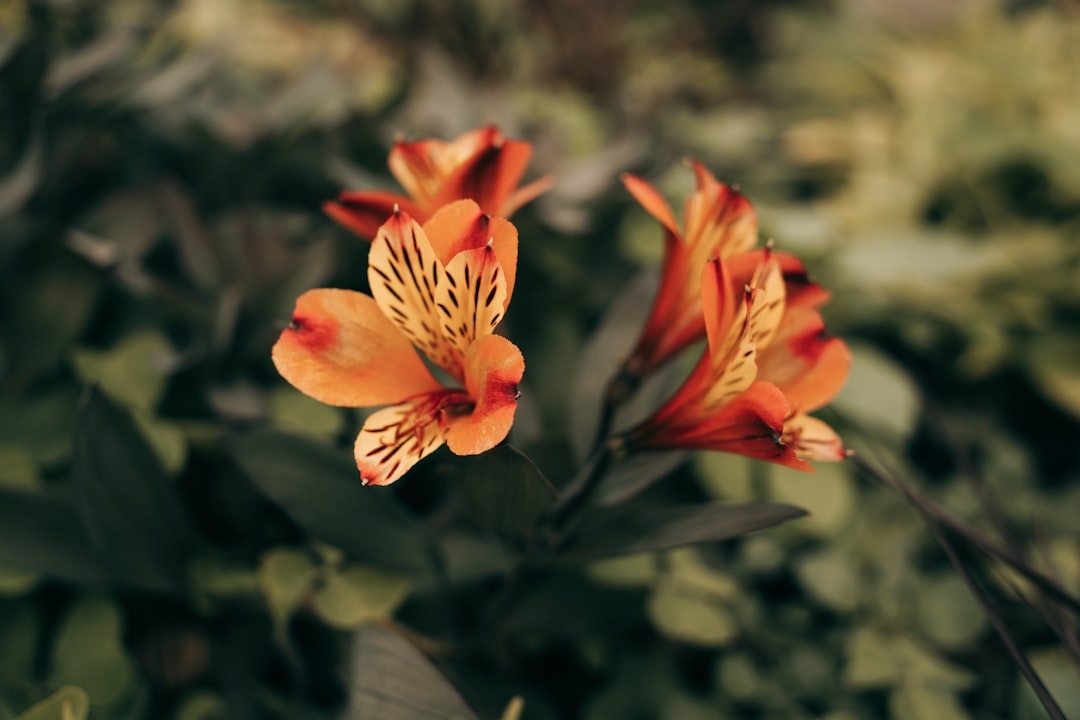
You’ll spot alstroemerias in nearly every shade: white, orange, pink, purple, red, yellow, coral, and lavender. Florigene, an Australian flower biotech company, announced in 2023 that they were experimenting with blue pigment genes, but as of 2026, true blue alstroemeria does not exist on the market.
| Color | Common Use |
|---|---|
| Pink | Friendship, birthdays |
| Orange | Congratulations, autumn |
| White | Sympathy, modern weddings |
| Red | Romance, holidays |
7. Not Just a “Filler Flower”
Though sometimes tucked among flashier stems, alstroemeria holds its own as a bouquet centerpiece. Its sturdy, branching stems and vibrant colors can anchor arrangements or soften bold combos. Chicago-based designer Erica Lim, owner of Flora & Fern, says, “I build wedding centerpieces around alstroemeria for clients who crave color and value–$10 buys a lush bunch.”
Quick list: Why florists love alstroemeria
- Budget-friendly ($10-$20 per bunch retail in 2026)
- Pairs well with roses, snapdragons, eucalyptus, gerbera daisies
- Available year-round from both South American and US greenhouses
8. Non-Toxic and Pet-Friendly
Many favorite cut flowers are toxic to cats and dogs (looking at you, lilies and tulips). Good news: alstroemeria is non-toxic to both humans and household pets, according to the ASPCA. That’s why you’ll spot them in more pet-safe arrangements nationwide.
“Our Seattle clients request pet-friendly bouquets weekly. Alstroemeria tops my list for both beauty and safety.”
–Tara Ng, Certified Floral Designer
9. An Award Winner–And a Breeder’s Dream
Horticulturists adore alstroemeria for its vast genetic flexibility. In 2025, Ball Horticultural Company released the ‘Indian Summer’ variety, a bronze-orange type bred specifically for hotter US climates. “It survived a Texas summer in our trial gardens,” reports Dr. Jon Bassett, Ball’s breeding director.
Numerous alstroemeria hybrids have received the Royal Horticultural Society’s Award of Garden Merit in recent years, acknowledging their vigor and showiness.
10. Grows Well in US Home Gardens
Thanks to years of breeding, hardy alstroemeria cultivars now thrive in USDA Zones 6-10 (think Southern California, Georgia, parts of the Northeast). Plant rhizomes in spring, mulch well, and you’ll enjoy cuttable blooms from June straight into October. Garden centers like The Home Depot and Lowe’s regularly stock ‘Inca Ice’, ‘Princess Lilian’, and ‘Butterscotch’ varieties–some rated to survive brief frosts.
| Variety | Zone Range | Special Notes |
|---|---|---|
| Inca Ice | 6-9 | Pale yellow, hardy |
| Princess Lilian | 7-10 | Compact, magenta |
| Butterscotch | 7-10 | Gold-orange, long stem |
11. The Origin of Its Name: A Nod to Friendship
Swedish botanist Carl Linnaeus named the flower after his close friend Baron Clas Alströmer, who first collected the seeds during a South American expedition in the 18th century. The message of friendship fits perfectly–alstroemeria remains one of the most-gifted “friend” flowers on the US market, according to a 2025 report by the Society of American Florists.
FAQ: Alstroemeria Floristry
How long do alstroemeria flowers last in a vase?
With fresh water and stem trimming every two days, alstroemerias last 10-14 days–often outlasting other common bouquet flowers.
Can you grow alstroemeria in the US?
Yes. Hardy varieties are widely available for gardens in Zones 6-10. Plant in well-draining soil, mulch, and cut for fresh bouquets all summer.
Are alstroemeria toxic to cats or dogs?
No. Alstroemeria is non-toxic to pets and people, according to the ASPCA, making it a popular choice for pet-friendly homes.
What colors do alstroemeria come in?
Common US market colors include pink, white, red, orange, yellow, and purple. True blue varieties are not available as of 2026.
Why is alstroemeria sometimes called the “friendship flower”?
The six-petaled blossom symbolizes loyalty, support, and enduring friendship–a tradition dating back to Victorian flower meanings and the flower’s namesake, Baron Alströmer.
Curious to see alstroemerias in action? Next time you order flowers, ask your local florist to build an arrangement showcasing these overlooked stars. Or, plant a few rhizomes this spring and snip your own cheerful, pet-friendly bouquets all summer long. Their resilience and beauty might just make them your new favorite flower–no drama required.