How florists mark up wedding flowers – the math
6 min read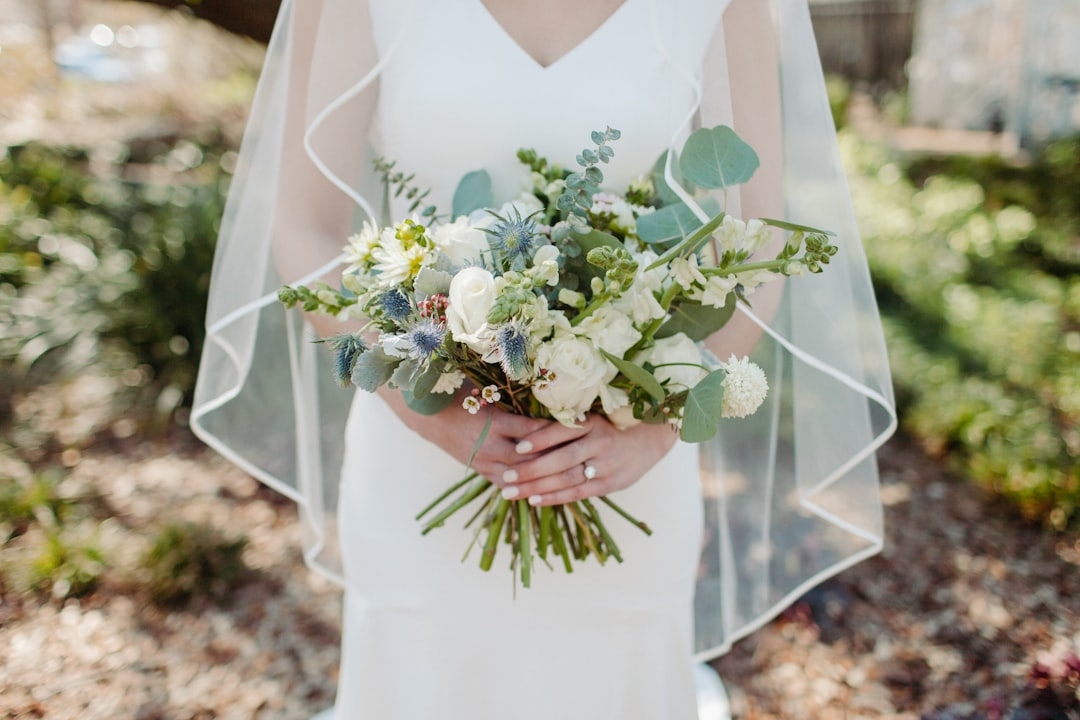
Contents:
- How Much Do Florists Mark Up Wedding Flowers? (Direct Answer)
- Why Are Wedding Flowers More Expensive Than Everyday Arrangements?
- Higher Stakes, Higher Standards
- Time Commitment
- Custom Sourcing
- Seasonality & Market Fluctuations
- What Goes Into Wedding Flower Pricing?
- Raw Wholesale Flower Costs
- Labor & Design
- Supplies and Hardgoods
- Overhead and Event Logistics
- Profit Margin
- The Real Math: Markup Example for a Bridal Bouquet (2026 US Prices)
- How Do Wedding Flower Markups Compare to Other Special Occasions?
- Can You Save on Wedding Flowers? (Or Are Markups Unavoidable?)
- Go Seasonal and Local
- Simplify Designs
- Consider DIY – With Caution
- Fewer Pieces, Greater Impact
- Pull-Quote
- FAQ: How Florists Mark Up Wedding Flowers
- How much does the average couple spend on wedding flowers in the US in 2026?
- Why do wedding flowers cost more than the same flowers for everyday delivery?
- What markup do florists use for wedding flowers versus regular events?
- Can I save money by doing my own wedding flowers?
- Are silk or faux wedding flowers more affordable?
- Ready for Wedding Flowers in 2026? What to Do Next
How Florists Mark Up Wedding Flowers – The Math
Imagine walking into a flower shop in Dallas the week before your wedding. You spot a lush peony bouquet and, after glancing at the price tag, you do a double take. Why do wedding flowers cost so much more than the same blooms in a regular arrangement? That question’s made millions of brides (and plenty of grooms, planners, and parents) wonder if they’re paying for petals or just the “W-word” toll.
Let’s peel back the curtain. Here’s the math – and the real reasons – for how florists mark up wedding flowers in the US.
How Much Do Florists Mark Up Wedding Flowers? (Direct Answer)
On average in the US, florists mark up wedding flowers by 2x to 4x the wholesale cost of the raw stems. For a standard $1,000 wedding flower order, about half covers the flowers themselves, while the rest pays for labor, supplies, design time, delivery, and the extra demands of a wedding event. Premium events, short timelines, or peak season dates (think June or September) push markups toward the higher end.
Typical markups:
| Cost Component | % of Final Price |
|---|---|
| Raw Flowers (Wholesale) | 30%-50% |
| Labor & Design | 20%-30% |
| Supplies (foam, ribbon, vases) | 10%-15% |
| Overhead (rent, admin, storage) | 10%-20% |
| Delivery/Set-Up | 5%-10% |
So, that dreamy $200 bridal bouquet may have started as $50 worth of peonies and roses.
Why Are Wedding Flowers More Expensive Than Everyday Arrangements?
Wedding flowers aren’t just about pretty petals. They’re a logistical, emotional, and design puzzle.
Higher Stakes, Higher Standards
Florists like Maya Reynolds, AIFD-certified, owner of Bloom & Vine in Los Angeles, emphasize that wedding flowers require “flawless timing, zero tolerance for subpar blooms, and often, double or triple the labor compared to a regular order.” If a bouquet is late for an anniversary, it’s frustrating. Late to a wedding, and the ripple effect can ruin the ceremony.
Time Commitment
A single bridal bouquet can take upwards of an hour to design and tweak, especially with custom requests. Now multiply that by bridesmaids, boutonnieres, centerpieces, arches, and you’ll see why weddings absorb whole weekends for floral teams.
Custom Sourcing
Weddings often demand specific varieties – Juliet garden roses, Cafe au Lait dahlias, rare ranunculus – that aren’t stocked on a typical Tuesday. Special orders cost more and carry a spoilage risk if the client changes their mind.
Seasonality & Market Fluctuations
Weather swings, import tariffs, and global shortages (like the 2025 Valentine’s Day rose shortage) all hit prices. Peonies in winter? They’re flown in from Chile or New Zealand, more than quadrupling their cost.
Fact: According to the 2026 Society of American Florists industry report, wholesale flower prices have climbed 18% since 2022, while labor costs jumped 22%.
What Goes Into Wedding Flower Pricing?
Let’s break down the line items you’ll see on a florist’s proposal.
1. Raw Wholesale Flower Costs
Florists buy from wholesalers like Mayesh, Florabundance, or local flower markets. High-end roses run $2-$5 per stem in 2026, with peonies and orchids even higher. A standard bridal bouquet uses 25-40 stems, so just the raw material can be $75-$150.
2. Labor & Design
Weddings require specialized design work. It’s not just arranging – it’s wiring, double-taping, building foam structures, hydration, anti-wilting treatments, and on-site assembly. Labor can run $50-$100 per hour, with senior designers (often AIFD or EMC-certified) commanding more for intricate requests.
3. Supplies and Hardgoods
- Floral foam, wire, tape: $3-$15 per piece
- Ribbon and specialty wrap: $10-$30 per bouquet
- Vases, urns, rental arches: $20-$200 each
4. Overhead and Event Logistics
- Refrigeration (coolers running 24/7 through peak season)
- Insurance (liability, vehicle, event disruptions)
- Delivery vans, mileage, and big event set-ups
- Staff overtime for late-night tear-downs
5. Profit Margin
After costs, most US florists target a profit margin of 10-15% on wedding work, though in reality, the margin shrinks if anything goes awry or last-minute changes crop up.
The Real Math: Markup Example for a Bridal Bouquet (2026 US Prices)
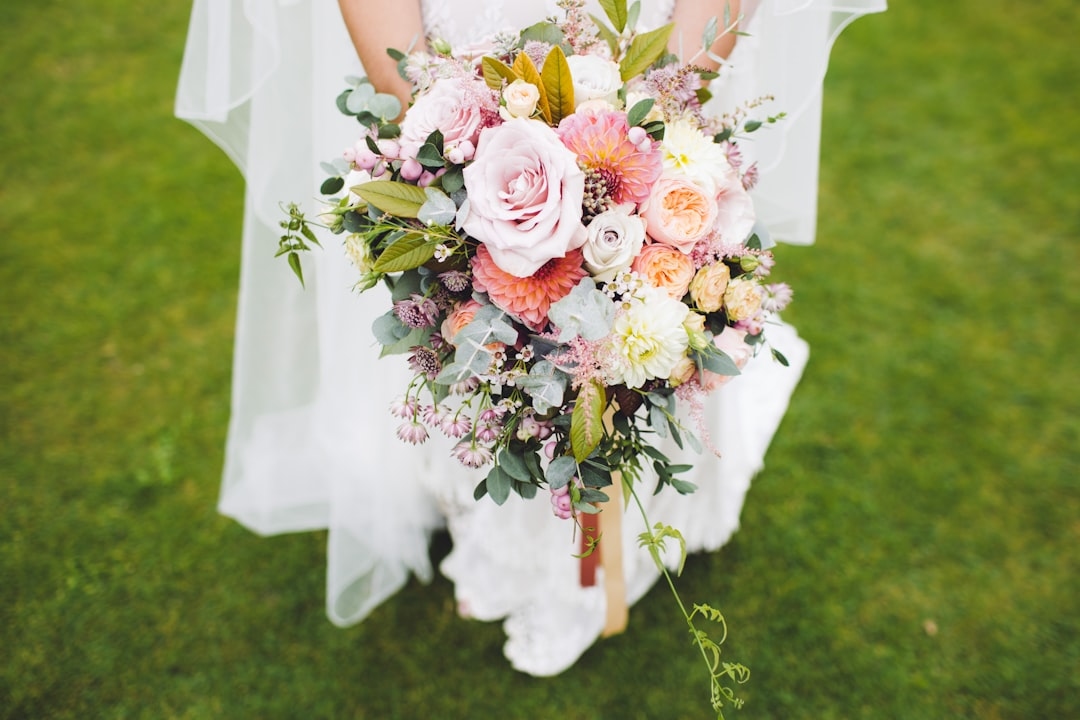
Here’s a line-by-line breakdown of a premium bridal bouquet priced at $250:
| Item | Cost |
|---|---|
| 15 White O’Hara Roses | $45 |
| 10 Peonies | $60 |
| 10 Ranunculus | $24 |
| Greenery & Filler | $16 |
| Ribbon, Tape, Hydration | $14 |
| Designer Labor (1 hr) | $50 |
| Overhead & Insurance | $20 |
| Delivery/Set-Up | $15 |
| Total Cost | $244 |
| Retail Price | $250 |
This close margin shows why florists have little wiggle room. If a peony arrives bruised, the florist absorbs the loss, not the bride.
“Our wedding markups reflect the true labor and risk behind every bouquet – it’s much more than just pretty stems in a vase.”
– Harper Lin, Lead Designer at Wildflower Studio, Chicago
How Do Wedding Flower Markups Compare to Other Special Occasions?
Here’s a quick table for context:
| Occasion | Typical Markup (Over Wholesale) | Complexity Level |
|---|---|---|
| Everyday Delivery | 2x-2.5x | Low |
| Valentine’s Day | 3x-5x (roses only!) | Medium |
| Funeral/Sympathy | 2x-3x | Medium |
| Weddings | 3x-4x (full orders) | High |
Florists’ insurance and labor costs are highest for weddings. Unlike Valentine’s, there’s no mass-produced arrangement: every piece is tailored to the couple’s vision, often revised multiple times.
Can You Save on Wedding Flowers? (Or Are Markups Unavoidable?)
There are ways to cut costs, but the base markups reflect real expenses.
Go Seasonal and Local
Choosing in-season, locally grown flowers (like California dahlias in late summer) can shave up to 20% off the raw cost, according to Dani Soto, sustainable florist in Austin, TX.
Simplify Designs
Classic hand-tied bouquets, bud vases, and minimalist greenery require far less labor and materials. Elaborate installations or cascading bouquets drive up markups.
Consider DIY – With Caution
Ordering flowers in bulk from sites like FiftyFlowers or Sam’s Club can cut out the retail markup. But the tradeoff? Handling prep, storage, and arranging amid wedding chaos.
Fewer Pieces, Greater Impact
Focus on a showstopper bridal bouquet and high-impact ceremony pieces rather than trying to cover every table. Strategic minimalism saves both money and stress.
Pro Tip: Ask your florist about rental options for arches, vases, and ceremony structures. Rentals often cost half as much as custom-built pieces.
Pull-Quote
“Wedding flowers represent just 8-10% of the average wedding budget in the US, yet account for some of the most photographed moments.”
– Data from The Knot 2026 Wedding Study
FAQ: How Florists Mark Up Wedding Flowers
How much does the average couple spend on wedding flowers in the US in 2026?
The average US couple spends $2,800-$4,000 on wedding flowers in 2026, according to The Knot. This typically includes personal flowers (bouquet, boutonnieres), ceremony decor, and reception centerpieces.
Why do wedding flowers cost more than the same flowers for everyday delivery?
Weddings require custom design, perfect timing, and higher labor – plus backup flowers for emergencies. There’s also more risk and liability, all adding to the cost beyond just the blooms.
What markup do florists use for wedding flowers versus regular events?
Florists mark up wedding flowers 3x-4x over wholesale cost, compared to 2x-2.5x for everyday arrangements. The higher markup covers the extra labor, supplies, and event logistics unique to weddings.
Can I save money by doing my own wedding flowers?
DIY can save you 40-60% in retail markups if you’re comfortable handling flower prep, storage, and arranging under tight timelines. But most professionals warn that wedding day stress and flower care challenges aren’t for everyone.
Are silk or faux wedding flowers more affordable?
Silk arrangements offer upfront savings, with most running 50-70% of the cost of fresh flowers. However, high-quality faux blooms (like those from Afloral or Nearly Natural) can still be pricey, and some couples prefer the scent and look of real flowers.
Ready for Wedding Flowers in 2026? What to Do Next
If you want the most value, start the florist conversation early. Bring inspiration photos, a rough guest count, and your priorities (is it the bouquet, the altar, or the party vibe?). Ask for a breakdown of costs, not just a lump sum.
Most of all, remember: wedding flowers are about memory-making, not just math. Choose a florist who gets your vision, respects your budget, and is upfront about their markups – and you’ll get arrangements that are worth every penny.