How the language of flowers (floriography) worked
6 min read
Contents:
- What Is Floriography? A Quick Overview
- The Blossoming of a Secret Language
- Why Did Floriography Catch Fire in the 1800s?
- Floriography Goes Mainstream
- The Rules: How Floriography Actually Worked
- More Than Just Flowers
- Sample Floriography Dictionary
- Notable Moments in American Floriography
- Famous Bouquets and Real-World Impact
- Floriography in American Literature and Pop Culture
- From Codebooks to Custom Bouquets: Floriography Today
- Do Americans Still Use the Language of Flowers?
- The Revival: Niche and Digital
- How to Send a Modern Floriography Message
- Step-by-Step Guide
- FAQ: The Language of Flowers in America
- How did the language of flowers (floriography) work?
- Are floriography flower meanings the same everywhere?
- Is floriography used in the US today?
- Which flower means “I’m sorry” in American floriography?
- Where can I find accurate flower meanings?
How the Language of Flowers (Floriography) Worked
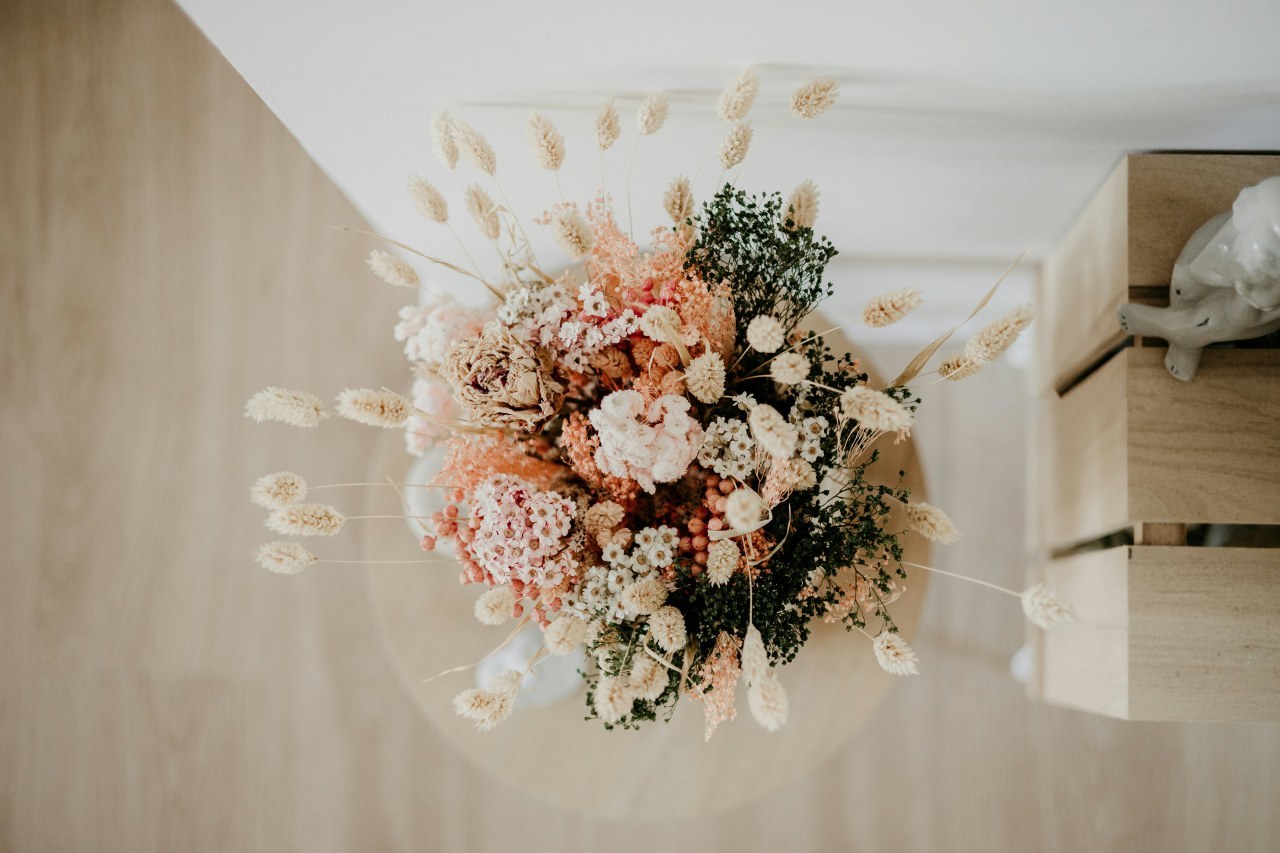
Picture this: It’s 1840 in Boston. A proper young woman receives a tightly bundled bouquet–violets, white roses, and a single yellow carnation nestled among fern fronds. She blushes, immediately decoding the message her admirer dared not speak aloud. This is floriography–the language of flowers–a coded communication system that turned blossoms into poetry, secrets, and sometimes scandal.
What Is Floriography? A Quick Overview
Floriography, also known as the language of flowers, was a practice–popular in the US and Europe during the 19th century–where people assigned specific meanings to flowers, using bouquets to send secret messages. Each bloom, color, and even arrangement style had its own “word” or emotion. For example:
- Red rose: Love or passion
- Yellow carnation: Disdain or rejection
- Violet: Loyalty or modesty
- White lily: Purity or majesty
These meanings were cataloged in dozens of “flower dictionaries” and guides, like The Language of Flowers (Boston, 1848). Floriography turned a simple bouquet into a coded letter–one the recipient was expected to interpret.
The Blossoming of a Secret Language
Why Did Floriography Catch Fire in the 1800s?
The Victorian era was all about etiquette and indirect communication. Public displays of emotion? Frowned upon. But a bouquet? Perfectly acceptable. According to Emma Clark, horticultural historian at the National Florist Society, over 40 different flower dictionaries were published in the US between 1830 and 1880, each aiming to standardize or embellish the floral lexicon.
There were practical and social reasons, too:
- Privacy: Romantic intentions could be conveyed without a word exchanged.
- Novelty: Collecting and decoding messages became a genteel pastime, especially for middle- and upper-class women.
- Commerce: Florists, recognizing the trend, offered custom “speaking bouquets”–sometimes costing over $15 (about $470 today, adjusted for inflation, per the US Florists’ Journal archives).
Floriography Goes Mainstream
By 1865, nearly every major American city had florists boasting “language of flowers” arrangements. The phenomenon was so widespread that Harper’s Weekly ran a satirical cartoon in 1872, mocking couples deciphering bouquets as if they were wartime ciphers.
But floriography wasn’t just for lovers. Friends, rivals, even businesses used it–sometimes to reconcile, sometimes to snub. Sending withered flowers? A clear message: the relationship is over.
The Rules: How Floriography Actually Worked
More Than Just Flowers
Not every daisy meant innocence, and not every rose meant romance. Context was everything. Here’s how the language system operated:
1. The Type of Flower
Every species had an associated meaning. While some, like roses, were universally known, others varied by region and flower dictionary.
2. Flower Color
Color tweaked a flower’s “word.” A red tulip declared love, but a yellow tulip stood for hopeless love. In the US, purple hyacinths meant “I’m sorry”–information every 19th-century suitor probably tucked away for emergencies.
3. Arrangement and Presentation
- Upright flowers: Positive feelings
- Reversed flowers: Negative or opposite meaning
- Number of blooms: Three roses for “I love you,” one for “You are unique”
- Handedness: Giving with the right hand meant “yes,” the left, “no”
4. Accompanying Foliage
Ferns signaled sincerity. Ivy whispered “fidelity.” Even the choice of ribbon and vase played a part. The smallest detail could flip the entire message.
“Sending a bouquet without knowing the code was like mailing a blank letter,” says Dr. Linda Harrell, author of Petals & Promises: The Real Meanings Behind American Bouquets (2025).
Sample Floriography Dictionary
| Flower | Color | Meaning | Modern Use Example |
|---|---|---|---|
| Rose | Red | Love, desire | Valentine’s Day bouquet |
| Carnation | Yellow | Disdain | Not commonly sent |
| Hyacinth | Purple | Sorry, regret | Apology bouquet |
| Daisy | White | Innocence | Graduation gift |
| Lily | White | Purity, majesty | Sympathy arrangement |
| Violet | Blue | Faithfulness | Anniversary bouquet |
Notable Moments in American Floriography
Famous Bouquets and Real-World Impact
Some flower messages made headlines. In 1862, socialite Clara Parkhurst’s refusal of a marriage proposal by sending a bundle of yellow carnations and withered asters became gossip fodder for weeks in New York. At the Lincoln White House, Mary Todd Lincoln reportedly favored violets and heliotrope, signaling grace and devotion in state arrangements.
During the suffragette movement in the early 20th century, activists wore purple irises and white daisies–both loaded with floriographic meanings of hope and purity. Florists like G. B. Mason & Sons in Philadelphia built their reputation on custom messages, charging premiums for rare or out-of-season blooms.
Floriography in American Literature and Pop Culture
Louisa May Alcott, in Little Women, describes a bouquet as “a letter, no less articulate for being fragrant.” Even modern films–think The Age of Adaline (2015)–use floriography for visual subtext. It’s not just nostalgia; it’s a symbolic shorthand that continues to show up in everything from wedding planning to K-pop lyrics.
From Codebooks to Custom Bouquets: Floriography Today
Do Americans Still Use the Language of Flowers?
While “speaking bouquets” aren’t slipping through parlor doors as in the 1800s, the core idea persists. According to Teleflora’s 2026 customer survey, 72% of US buyers say they pick flowers for “what they symbolize.” Valentine’s Day red roses are a $2.1 billion market. Sympathy lilies remain a staple for funerals, and white daisies still dot graduation parties.
Modern flower delivery services–UrbanStems, 1-800-Flowers, Bouqs–often include “meaning cards” in their premium bouquets. Some even allow you to build custom “message bouquets” online, complete with a digital floriography decoder.
The Revival: Niche and Digital
Instagram and TikTok have fueled a niche revival. Hashtags like #floriography and #flowerlanguage rack up millions of views. In 2026, New York’s Petal Poet florist sells curated floriography kits ($79.99), promising “secret messages in every stem.”
Florists are seeing demand for “personalized meaning” arrangements–not just cookie-cutter romance, but apologies, affirmations, and inside jokes. The language is getting an update, as emojis and memes meet camellias and sprigs of rosemary.
How to Send a Modern Floriography Message
Step-by-Step Guide
Want to channel your inner Victorian and send more than “just flowers”? Here’s what you’ll need:
-
Pick Your Recipient and Purpose
Is it friendship, romance, an apology, or a playful message? -
Research the Meanings
Reliable sources include The Language of Flowers by Vanessa Diffenbaugh (and dozens of free online guides). Some US florists offer digital consultations. -
Choose Flowers and Colors
E.g., Sunflowers (adoration), pink roses (gratitude), white camellias (perfected beauty). -
Arrange Thoughtfully
Mix upright, healthy stems for positivity. Throw in a sprig of sage (wisdom) or rosemary (remembrance) to tailor your message. -
Include a Note (Optional)
Add a card explaining your “language”–or keep it mysterious for the recipient to decode.
A modern “I forgive you” bouquet? Try purple hyacinth, white tulip, and olive leaves.
FAQ: The Language of Flowers in America
How did the language of flowers (floriography) work?
Floriography was a system where each flower, and often its color or arrangement, symbolized specific emotions or messages. People sent bouquets as coded letters, referencing published flower dictionaries to convey feelings privately.
Are floriography flower meanings the same everywhere?
No. Meanings often varied between countries, regions, and even different flower dictionaries. A red carnation meant love in France, but admiration or sometimes rejection in the US.
Is floriography used in the US today?
Not as strictly as in the 19th century, but many Americans still choose flowers for their symbolic meanings, especially for holidays, funerals, and romantic occasions. Some modern florists offer custom “language of flowers” bouquets.
Which flower means “I’m sorry” in American floriography?
The purple hyacinth is most commonly associated with apology or regret in American flower language.
Where can I find accurate flower meanings?
Reputable sources include flower delivery services like UrbanStems or 1-800-Flowers, as well as books such as The Language of Flowers by Vanessa Diffenbaugh and Petals & Promises by Dr. Linda Harrell.
Ready to put a little old-school intrigue into your next bouquet? Think beyond color and price–choose each stem like it’s a word in a secret letter. The right flowers can say what words can’t, and in 2026, a custom “message bouquet” might be the coolest tradition you revive.