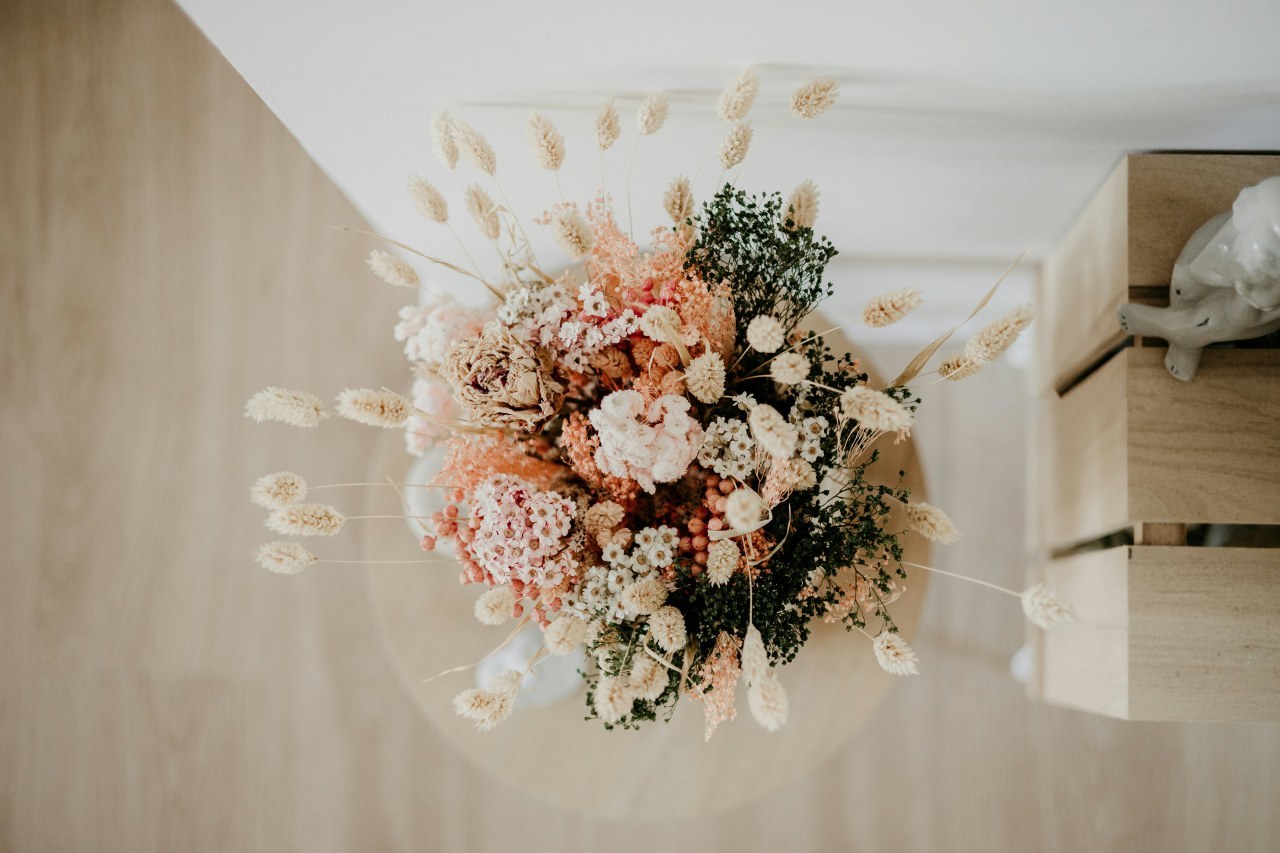
Flowers for an ordination ceremony
5 min read
Contents:
- The Language of Flowers: Why They Matter at Ordinations
- Designing Arrangements for Ordination Day
- Colors, Themes, and Seasonal Choices
- Flower Arrangements by Denomination and Region
- Working With U.S. Florists: Ordering, Costs, and Tips
- Pull-Quote:
- FAQ: Flowers for an Ordination Ceremony
- What kind of flowers are appropriate for an ordination?
- How much should I budget for ordination ceremony flowers in the U.S.?
- When should I contact a florist for ordination flowers?
- Can I use artificial flowers for an ordination ceremony?
- Are there flowers or colors I should avoid?
Flowers for an Ordination Ceremony: A Guide to Meaningful Floristry
Standing in a sunlit sanctuary, the scent of lilies mingling with the quiet murmur of anticipation, families and congregations gather to witness a sacred milestone: ordination. Flowers aren’t just decoration at these ceremonies. They’re living symbols, carrying prayers, blessings, and the collective hopes of a community. In the U.S., where over 30,000 ordinations take place annually across Christian, Jewish, and interfaith traditions (according to the Pew Research Center, 2024), crafting the right floral presence is an art form rooted in both tradition and personal expression.
What are the Best Flowers for an Ordination Ceremony?
The most popular flowers for an ordination ceremony in 2026 are white lilies, roses (especially cream and blush), snapdragons, hydrangeas, and orchids. These blooms symbolize purity, commitment, new beginnings, and joy. Most American florists recommend arrangements with a balance of white and soft colors, complemented by greenery such as eucalyptus or myrtle. For added significance, many churches opt for locally grown flowers in season. Common price range for altar arrangements: $150-$400 (2026, FTD and Teleflora market survey).
The Language of Flowers: Why They Matter at Ordinations
Flowers have spoken at ordinations for centuries. In Episcopal and Catholic traditions, white lilies recall themes of purity and resurrection, while in Protestant churches, baskets of mixed roses and carnations convey warmth and community support. Rabbi Lila Rosenson, a floral consultant for interfaith events, notes, “Floral language bridges faiths; even a simple white rose can honor the calling of a new rabbi, pastor, or minister.”
Symbolic Meanings in American Ordinations
- Lilies: Purity, renewal, spiritual commitment
- Roses: Love, honor, joy (white for reverence, blush for warmth)
- Hydrangea: Abundance, unity, gratitude
- Snapdragon: Grace under pressure, strength
- Orchids: Wisdom, respect, perseverance
Don’t overlook regional favorites–sunflowers, for instance, symbolize faith and loyalty in some Midwest congregations, while Pacific Northwest churches often favor lush greenery and wildflowers.
Designing Arrangements for Ordination Day
Altar Flowers
For most ordinations, the altar is the ceremony’s visual anchor. According to Sarah Lin, AIFD-accredited florist in Chicago, clustered arrangements 2-3 feet tall, with a dominant central bloom like lilies or hydrangeas, frame the moment without overshadowing it. Many churches commission a pair of symmetrical altar sprays ($200-$400 each, depending on complexity and seasonality).
Personal Bouquets and Corsages
- For the Ordinand: A small, hand-tied bouquet of roses and greenery, typically no larger than 8 inches across, is traditional. For men, a boutonniere featuring a single white bloom.
- For Family Members: Corsages (miniature rose or orchid) for mothers and grandmothers; boutonnieres for fathers.
Processional and Pew Flowers
Simple arrangements tied to pews or chairs help guide processions and add gentle elegance. Baby’s breath (Gypsophila) or small clusters of daisies tied with satin ribbon remain timeless.
“The best ceremony florals don’t compete with the sacredness of the moment; they lift it up quietly and beautifully.”
– Marcia Greene, owner of Greene’s Garden Florals, St. Louis, MO
Colors, Themes, and Seasonal Choices
Choosing Colors
Americans overwhelmingly select white and cream as base colors (72% of surveyed florists, Florists’ Review 2026), accented with pastels or metallic ribbons. That said, every tradition is different:
| Tradition | Common Colors | Favored Flowers |
|---|---|---|
| Roman Catholic | White, gold | Lilies, gladiolus, white roses |
| Jewish | Blue, white | Orchids, delphinium, hydrangea |
| Protestant/Evangelical | White, green, blush | Roses, daisies, tulips |
| Interfaith/Community | Seasonal palettes | Wildflowers, sunflowers, local greenery |
Seasonal Blooms in the U.S.
- Spring: Daffodils, tulips, peonies, hyacinths
- Summer: Sunflowers, dahlias, zinnias
- Autumn: Chrysanthemums, asters, marigolds
- Winter: Amaryllis, poinsettias, evergreens
Using in-season, locally grown flowers reduces cost by 15-25% and supports American growers.
Flower Arrangements by Denomination and Region
Catholic & Orthodox
Larger altar arrangements, often with incense or candles. Lilies and roses are preferred, especially around Easter or Pentecost ordinations.
Protestant & Evangelical
More flexibility: mixed bouquets in vases, basket arrangements, or even potted plants for sustainable gifting.
Jewish
Simplicity and dignity: low, compact arrangements with blue and white flowers. Avoid overtly religious symbols.
Interfaith or Nontraditional Ordinations
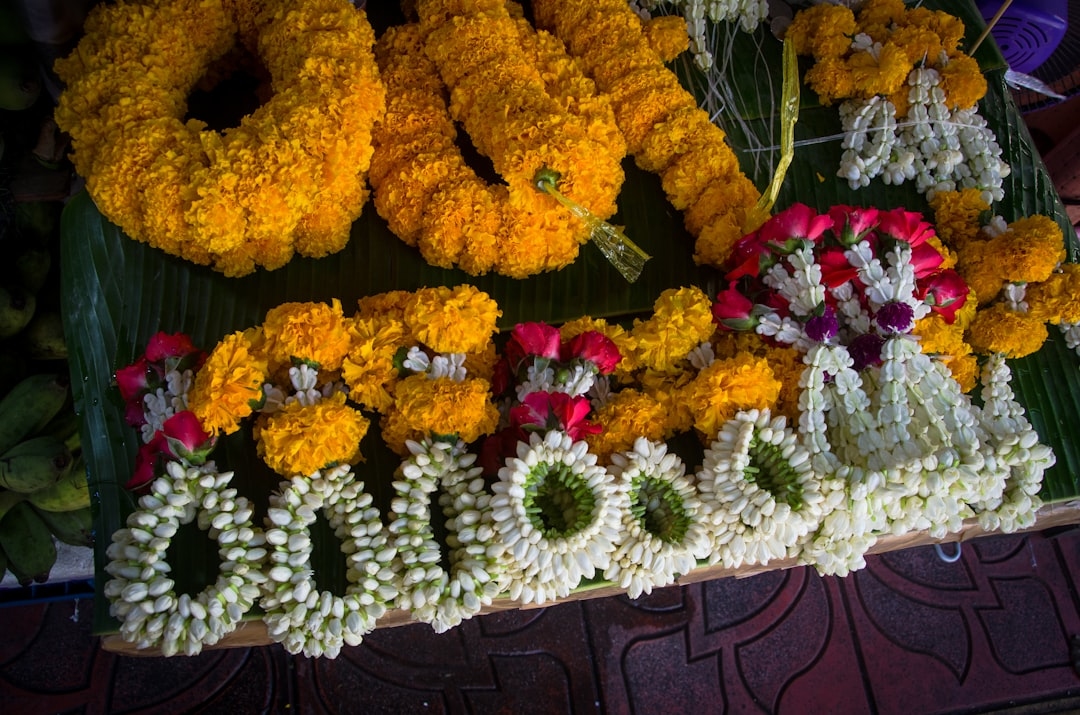
Wildflower bouquets and symbolic foliage (olive branches, ferns) for a welcoming, nature-inspired look.
Regional Trends
- Northeast: Hydrangea and white tulips are popular.
- South: Gardenias and magnolias add fragrance.
- West Coast: Incorporation of succulents and eucalyptus for sustainable design.
Working With U.S. Florists: Ordering, Costs, and Tips
How Far in Advance to Order
Book 2-4 weeks ahead, especially if your florist is sourcing premium or locally grown blooms. For larger churches or cathedrals, 6-8 weeks is safest.
Arrangements & Pricing
- Altar Piece (large): $150-$400
- Small Bouquet: $45-$85
- Corsage or Boutonniere: $20-$40
- Pew Flowers (per dozen): $60-$120
Many U.S. florists, like UrbanStems and Bouqs Co., offer express delivery and same-day arrangement options for up to 30% more.
Special Touches
- Incorporate the ordinand’s favorite flower (or their mentor’s).
- Add a custom ribbon with Bible verse, blessing, or date.
- Use reusable vessels (ceramic, glass) for eco-friendly gifting.
Pull-Quote:
“Ordination flowers are messengers. They whisper congratulations, gratitude, and hope for the journey ahead.”
– Rabbi Lila Rosenson, Floral Consultant
FAQ: Flowers for an Ordination Ceremony
What kind of flowers are appropriate for an ordination?
White lilies, roses (white, cream, blush), snapdragons, hydrangeas, and orchids are the most traditional. Pastel and seasonal blooms are also appropriate depending on the denomination.
How much should I budget for ordination ceremony flowers in the U.S.?
Expect to spend between $150 and $400 for altar arrangements, with additional costs for bouquets or personal flowers. Total budgets typically range from $250 to $600, depending on church size and display preferences.
When should I contact a florist for ordination flowers?
Ideally, reach out 2 to 4 weeks before your event. For large ceremonies or custom arrangements, 6-8 weeks is best to secure your preferred blooms and design.
Can I use artificial flowers for an ordination ceremony?
Yes. High-quality silk or real-touch artificial flowers are acceptable, especially for allergy-sensitive venues or sustainability. Some American churches keep artificial arrangements for regular services.
Are there flowers or colors I should avoid?
Most traditions avoid red (associated with certain liturgical holidays or mourning) and overly bright colors. Always check with the officiant or denominational guidelines.
Each ordination is a milestone deserving unique beauty. Work with your florist to create something personal and meaningful–with the right flowers, you’re not just decorating a space; you’re blessing a journey. If there’s an ordination on your calendar, start gathering inspiration and reach out to a trusted American florist–your choices set the tone for a memory that will last a lifetime.