Flowers that won’t trigger PTSD scent memories
6 min read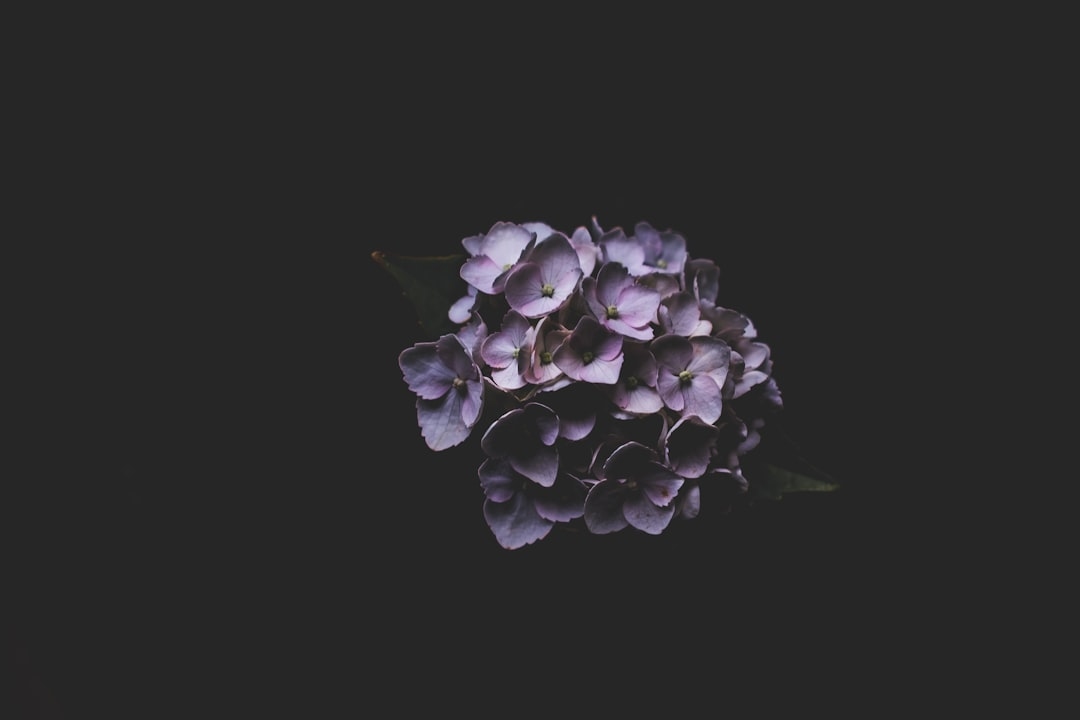
Contents:
- What Flowers Won’t Trigger PTSD Scent Memories? (Quick Answer)
- Why Scents Can Trigger PTSD: The Science Behind Scent Memories
- Low-Scent and Scentless Flowers: Best Bets for PTSD Sensitivity
- Top Picks for Minimal Scent
- Scentless Wildflowers and Foliage
- Flowers & Foliage to Avoid: The Usual PTSD Scent Offenders
- How to Order or Arrange PTSD-Friendly Flowers in the US
- Tips for Buying Online
- DIY Arrangements: What To Look For
- Working with Trauma-Informed Florists
- Can Dried or Preserved Flowers Be a Safer Choice?
- Pull-Quote: Remember–It’s Personal
- FAQ: PTSD-Safe Flowers & Scent Triggers
- Which flower has the least smell?
- Are roses okay for people with PTSD?
- What about lilies–are certain types okay?
- Can you make a beautiful bouquet without any scented flowers?
- Is it rude to request “no flowers with scent” from a florist?
- The Next Step: Giving (and Receiving) Flowers Thoughtfully
Flowers That Won’t Trigger PTSD Scent Memories
A whiff of certain flowers can bring someone to tears–or send them rushing from the room. For those living with PTSD, scent memories are powerful, sometimes devastating triggers. Yet flowers remain central to so many life moments: apologies, celebrations, comfort, or just brightening up a coffee table. Can you give flowers, or fill your home with blooms, without risking a rush of painful memories? Yes. With smart choices and a little floristry wisdom, it’s possible to enjoy beautiful arrangements that are gentle on the senses.
What Flowers Won’t Trigger PTSD Scent Memories? (Quick Answer)
Most people with PTSD are triggered by strong, familiar scents–think lilies, gardenias, tuberose, or even certain roses. Arrangements made with unscented or subtly scented blooms are safest. Top choices in 2026 include:
- Tulips: Virtually scentless
- Orchids: Most have mild to no scent
- Anemones: Fresh, with only a faint green aroma
- Ranunculus: Little to no fragrance
- Gerbera daisies: Unscented and cheerfully bright
- Hydrangeas: Mild, almost undetectable scent
- Succulents: Zero floral fragrance
When in doubt, opt for seasonal wildflowers, dried flowers, or preserved blooms. Always check with the recipient or a trauma-informed florist like TheraBlooms NYC before ordering.
Why Scents Can Trigger PTSD: The Science Behind Scent Memories
Scents are unique in their direct link to memory and emotion. According to Dr. Lena Morgan, PhD in Neuropsychology at Stanford, the olfactory bulb sits only a synapse away from the amygdala and hippocampus: the areas of the brain responsible for processing emotion and storing long-term memories. This means that smells bypass the filtering most other senses go through.
In an American Psychological Association survey (APA, 2025), over 38% of individuals with PTSD ranked “unexpected scent triggers” as one of their top five daily stressors. Common culprits in floristry? Lilies, jasmine, gardenia, and hyacinth–flowers that seem harmless, but carry a punch of aroma.
<blockquote>
“People think of flowers as only beautiful, but scent memory is so deeply wired. It’s not about the flower, it’s about what that smell meant at a moment of trauma.”
– Mara Esposito, Licensed Trauma Therapist & Author, *The Mindful Home* (2024)
</blockquote>
Low-Scent and Scentless Flowers: Best Bets for PTSD Sensitivity
Top Picks for Minimal Scent
Not every flower is heavily perfumed. Some are naturally scent-shy, making them perfect for sensitive spaces. Here’s what florists like Jackie Sorenson (Bay Area Petal Co., CA) recommend in 2026:
- Tulips: Clean lines, wide color spectrum, and almost impossible to detect a scent. Average price: $2.50/stem in the US.
- Orchids (Phalaenopsis/Moth Orchids): Graceful, exotic, and nearly unscented. These are often used in hospital arrangements for this reason.
- Gerbera Daisies: Uplifting, modern look with zero floral aroma.
- Ranunculus: Dense, whimsical petals; subtle, if any, smell.
- Calla Lilies: While regular lilies are off-limits, calla lilies are much less fragrant (but always check with a quick sniff-test).
- Hydrangea: Voluminous and soft, with a nearly neutral scent profile.
- Succulents & Air Plants: For ultra-modern arrangements, these offer shape and color without any perfume.
- Alstroemeria (Peruvian Lily): Long-lasting, and virtually unscented despite the name.
Scentless Wildflowers and Foliage
Many wildflowers and greens used by American florists are safe:
- Statice
- Solidago (Goldenrod)
- Eucalyptus (has a menthol scent, but generally not associated with floral perfume)
- Craspedia (Billy Balls)
- Baby’s Breath (very faint, often undetectable in small doses)
Flowers & Foliage to Avoid: The Usual PTSD Scent Offenders
Some blooms are notorious for their overwhelming fragrance. Here’s a quick table of flowers to approach with caution or skip entirely for PTSD-sensitive arrangements:
| Flower | Scent Strength | Common Uses | Safer Alternative |
|---|---|---|---|
| Oriental Lily | Very strong | Sympathy, bouquets | Tulips, Hydrangea |
| Gardenia | Strong, sweet | Wedding, corsages | Ranunculus, Anemone |
| Jasmine | Potent, sweet | Filler, gardens | Waxflower (mild aroma) |
| Tuberose | Intense, creamy | Event décor | Gerbera Daisy |
| Freesia | Fresh, fruity | Mixed bouquets | Statice, Craspedia |
| Hyacinth | Sharp, heady | Spring bouquets | Muscari (much milder) |
How to Order or Arrange PTSD-Friendly Flowers in the US
Tips for Buying Online
Many US flower delivery services now feature “low-scent” options. UrbanStems and Bouqs.com both let you filter for unscented picks as of 2026; search for terms like “allergy-friendly”, “scent-free”, or “trauma-sensitive”. Expect to pay $35-$100 for designer bouquets, depending on stem count and delivery zip code.
Always use the “Florist Instructions” box to specify no scented flowers, due to PTSD. If you’re ordering by phone, be direct–florists are generally understanding and will swap out problematic stems.
DIY Arrangements: What To Look For
At farmer’s markets or your local Trader Joe’s, flip the bouquet over and check if strongly-scented blooms are included. If in doubt, use a handkerchief or face mask for a quick, subtle sniff test.
When arranging at home:
- Use glass or ceramic vases (metal can amplify some earthy smells)
- Rinse stems thoroughly
- Consider adding a sprig of mint or rosemary for a gentle, non-floral freshness
Working with Trauma-Informed Florists
Some American florists specialize in arranging for hospitals, therapy offices, or trauma-sensitive environments. Peace Petals in Seattle, [TheraBlooms NYC], and smaller studios in cities like Austin or Chicago offer custom consultations–often at no extra cost.
Can Dried or Preserved Flowers Be a Safer Choice?
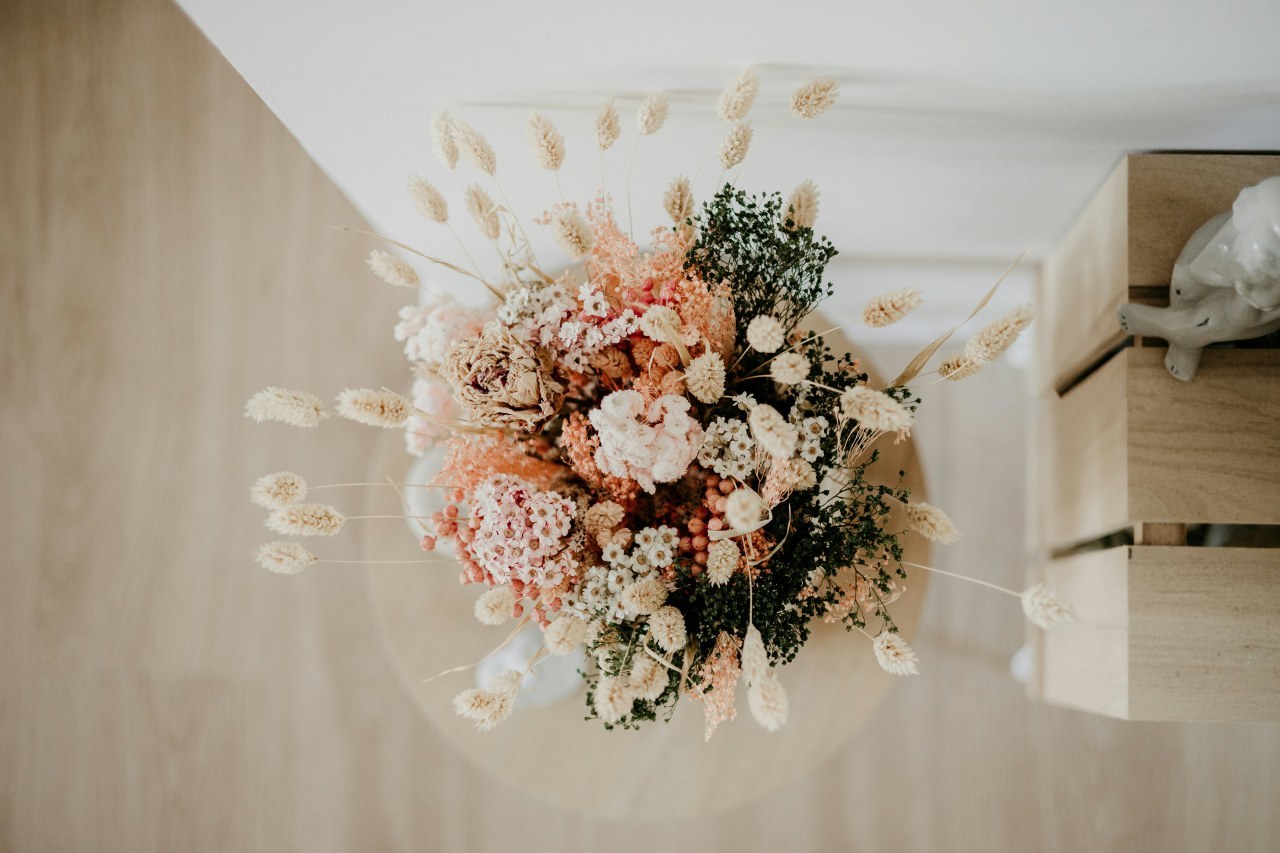
Dried flowers have surged in popularity since 2024–largely because they’re attractive, long-lasting, and scent-neutral. Modern US dried flower bundles (think: Lunaria, bleached ruscus, dried thistle) run $20-$60 and are available from Etsy, Amazon, and local florists.
Preserved roses (like Venus ET Fleur, $89+ for a box) are chemically treated to last for months and have almost no scent. Just avoid dried lavender or eucalyptus if those herbal scents are an issue.
<blockquote>
“Dried blooms or unique botanicals give you the beauty of arrangements with zero risk of perfume. It’s a game-changer for my PTSD clients.”
– Natalie Ruiz, Master Florist, Peace Petals Seattle
</blockquote>
Pull-Quote: Remember–It’s Personal
“There’s no universal ‘safe’ flower. Ask, listen, and show you care. That’s what makes the gift meaningful.”
– Mara Esposito, Trauma Therapist
FAQ: PTSD-Safe Flowers & Scent Triggers
Which flower has the least smell?
Tulips and orchids (Phalaenopsis) are considered virtually scentless. Most people cannot detect any fragrance, making them excellent choices for PTSD-sensitive bouquets.
Are roses okay for people with PTSD?
Many modern US-grown roses are lightly or non-scented. However, classic garden roses and older varieties have a stronger smell and may trigger memories. Always check with the recipient or opt for unscented varieties, like Dutch roses.
What about lilies–are certain types okay?
Traditional Oriental and Stargazer lilies have a very strong scent and are not recommended. Calla lilies, despite the name, have minimal fragrance and may be acceptable, but always verify first.
Can you make a beautiful bouquet without any scented flowers?
Absolutely. Florists regularly create lush arrangements from tulips, ranunculus, gerberas, hydrangeas, anemones, alstroemeria, and plenty of greens for texture.
Is it rude to request “no flowers with scent” from a florist?
Not at all. Most professional florists are happy to accommodate scent sensitivities or trauma triggers. Just be clear with your needs–it’s common and well-understood in 2026.
The Next Step: Giving (and Receiving) Flowers Thoughtfully
Americans bought over $8.7 billion in fresh flowers and plants last year–not just for looks, but for connection. As awareness grows, more florists and flower lovers are learning to think beyond beauty and consider emotional safety. Before you send a bouquet, pause and ask: Will this fragrance be comforting, or could it cause pain? In 2026, “trauma-informed floristry” is a sign of real care. The right arrangement whispers, “I see you,” without saying a word.
Try calling your go-to florist, or explore specialty shops offering scent-free bouquets. Or, start a conversation with the person you’re buying for–the best flowers are always the ones that feel safe, seen, and sincerely chosen.