The true cost of a single rose stem at retail
7 min read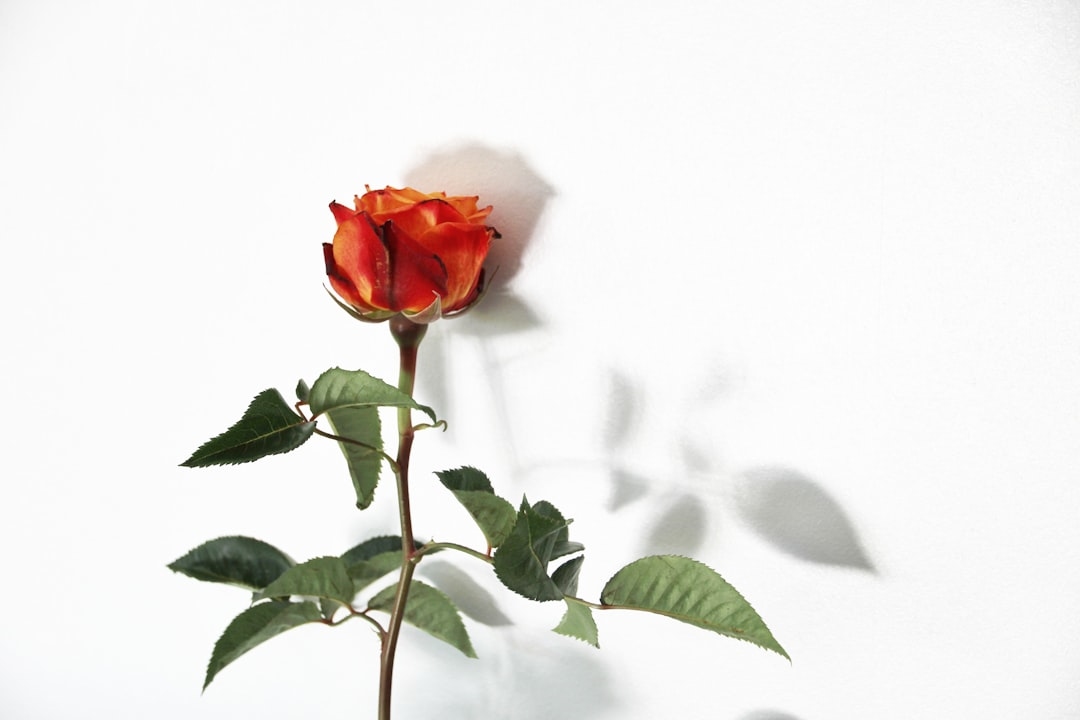
Contents:
- The True Cost of a Single Rose Stem: Quick Answer
- Why Does a Rose Stem Cost So Much at Retail?
- Wholesale vs. Retail: Bridging the Gap
- Labor and Craftsmanship
- Shrink: The Hidden Cost
- Where Do Retail Roses in the US Come From?
- Import Nation: The Rose Supply Chain
- Environmental Controls and Logistics
- How Location and Season Influence Price
- Urban vs. Rural
- Holiday Spikes
- What Makes a Rose “Premium” – and Why It Matters
- Key Factors in Rose Pricing
- Buying a Rose: Shop, Grocery, or Online?
- The Grocery Store Rose
- Flower Shop Rose
- Online Sellers
- What “Extras” Are You Paying For With a Retail Rose?
- How to Get the Best Value on a Single Rose Stem
- Insider Tips
- FAQ: The True Cost of a Single Rose Stem at Retail
- How much does a single rose stem cost at a flower shop in 2026?
- Why are roses so expensive at retail?
- Where do most US retail roses come from?
- Is the quality of a shop-bought single rose better than supermarket roses?
- How can I save money when buying a single rose?
The True Cost of a Single Rose Stem at Retail
Walk into any neighborhood flower shop in New York or San Francisco, and a single long-stemmed red rose might set you back $7, $10, or even $15–sometimes more on Valentine’s Day. It’s a price that often surprises people. After all, at wholesale, roses are just a few bucks each, right? So, where does all that added cost come from? Let’s break down exactly what goes into the price tag of a retail rose stem in the US in 2026–beyond just the bloom itself.
The True Cost of a Single Rose Stem: Quick Answer
In the United States in 2026, the average retail price for a single, premium long-stemmed red rose ranges from $7-$12, depending on location. On peak holidays, the price can soar to $15-$20 or more.
This price reflects not just the wholesale cost of the flower, but labor, transportation, shrink (waste), packaging, rent, and other overhead–plus the skill of your local florist.
Why Does a Rose Stem Cost So Much at Retail?
Buying a single rose at the store isn’t just buying a flower. You’re paying for a whole network behind that stem, from growers in Ecuador or Kenya to the hands that arrange and present it beautifully in your local shop.
Wholesale vs. Retail: Bridging the Gap
Here’s a look at the typical breakdown for one rose stem in a US urban flower shop in 2026:
| Cost Element | Typical Range ($USD) |
|---|---|
| Wholesale Rose (Premium) | $1.20 – $2.75 |
| Shipping & Cold Chain | $0.50 – $1.00 |
| Labor (Handling, Prep) | $1.00 – $2.00 |
| Packaging & Supplies | $0.60 – $1.00 |
| Rent/Overhead | $0.80 – $2.00 |
| Loss/Waste Allocation | $0.70 – $1.50 |
| Profit Margin | $1.00 – $3.00 |
| Total Retail Price | $7 – $12 |
On Valentine’s Day and similar holidays, supply costs can double or triple, and so does the final price tag.
Labor and Craftsmanship
Arranging, de-thorning, and hydrating a rose takes time. According to Janine Callahan, AIFD-certified florist with 20 years in Chicago, “Each rose stem is individually trimmed, checked for blemishes, leaves removed, and re-cut to keep it fresh. Even wrapping a single rose is a five-minute job, and labor is the biggest ingredient we add.”
Shrink: The Hidden Cost
Flowers are perishable, and up to 30% of a retailer’s stems may end up unsold or unsaleable due to bruising or wilting. These losses, known as “shrink,” must be built into the price of every stem that does hit the counter.
Where Do Retail Roses in the US Come From?
The roses you see at American flower shops aren’t grown next door. Most travel thousands of miles to get there.
Import Nation: The Rose Supply Chain
- 70% of fresh cut roses sold in the US are imported from Ecuador and Colombia (USDA, 2026)
- Others come from Kenya, the Netherlands, and a handful of California and US-based growers
Flowers are harvested, graded, packed in refrigerated containers, flown to Miami, trucked to wholesalers, then distributed to retailers across the country. Every touch point adds cost and reduces the window of peak freshness.
Environmental Controls and Logistics
Maintaining a rose at peak quality means constant cold storage–typically 34-36°F–during transit and in-store. As energy prices have risen in the US, so has the cost of maintaining that cold chain all the way to your neighborhood shop.
“A single interruption in the cold chain, even for an hour, can shave two days off a rose’s vase life. We spend about 15% more on energy in 2026 than we did in 2021.”
– James Lin, owner, Petal & Stem, San Francisco
How Location and Season Influence Price
Not every rose stem costs the same. The true cost at retail fluctuates by city, season, and local competition.
Urban vs. Rural
- Urban centers (NYC, LA, Chicago): Expect to pay $9-$15 per stem, given higher rent and labor costs.
- Suburban/rural florists: Often $5-$9, thanks to lower overhead, though selection may be limited.
Holiday Spikes
- Valentine’s Day: Demand skyrockets, sometimes doubling the wholesale price for premium red roses.
- Mother’s Day & Graduation: Less dramatic, but still notable bumps.
During Mother’s Day 2026, premium red roses in Miami hit $18 per stem, compared to $7 in late March.
What Makes a Rose “Premium” – and Why It Matters
Not all roses are created equal, even if they look similar from the outside. The premium you pay at the counter reflects quality differences that start at the farm.
Key Factors in Rose Pricing
- Stem Length: 50cm, 60cm, or even 80cm stems fetch the highest prices and are popular for single-stem sales.
- Variety: Garden-style or specialty roses (like David Austin’s ‘Juliet’) cost significantly more than standard red varieties.
- Grading and Handling: Top grades are hand-selected and carefully packed–second grades are cheaper but rarely make retail displays.
- Branding: Roses from boutique farms or Fair Trade/eco-certified operations carry a price premium.
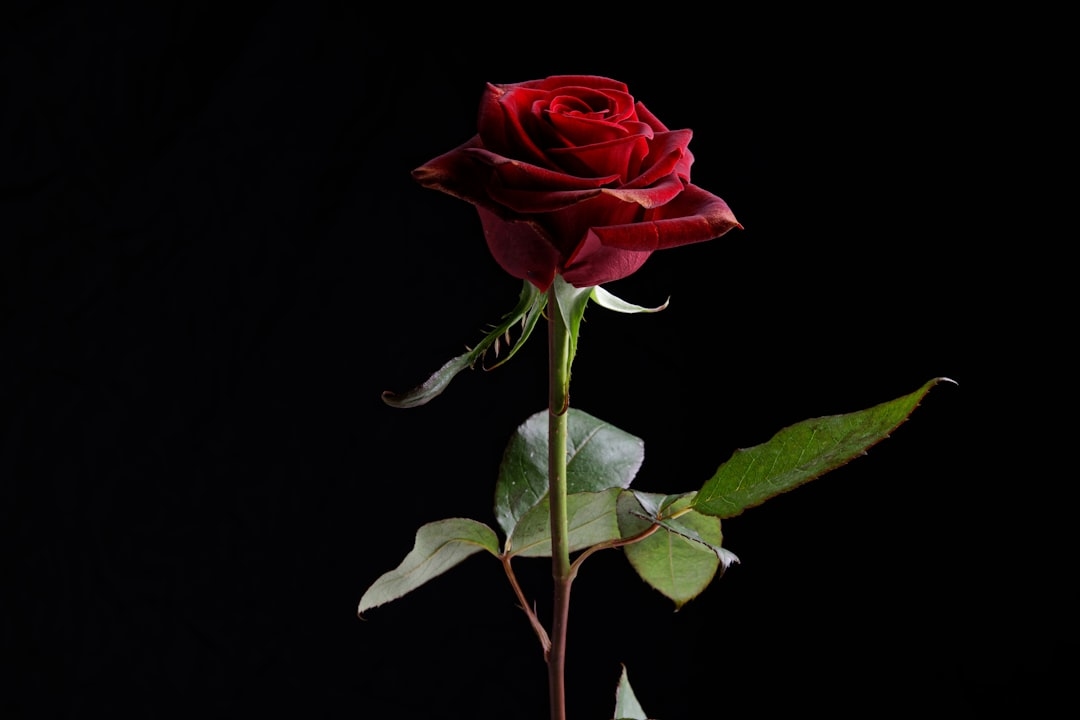
According to Lauryn Vega (Director, American Floral Endowment), “Customers might see a $2 grocery store rose as equivalent, but top-grade retail stems are engineered for longer vase life, color consistency, and bloom size.”
Buying a Rose: Shop, Grocery, or Online?
You’ve probably spotted vastly different rose prices at local shops, supermarkets, and online sellers. Here’s why.
The Grocery Store Rose
- Often sold in bunches (dozen stems for $12-$24)
- Shorter stems (40-50cm)
- Less attention to bloom quality, hydration, or presentation
- Higher turnover–less time in store, but often lower vase life
Flower Shop Rose
- Sold individually
- Longer stems (60-80cm)
- Hand-selected, prepped, and wrapped for presentation
- Expert handling for longevity
| Feature | Grocery Store | Flower Shop | Online Delivery (e.g. UrbanStems, 1-800-Flowers) |
|---|---|---|---|
| Price/Stem | $1-$2 (in bundles) | $7-$15 | $10-$18 (inc. delivery/fees) |
| Stem Length | 40-50cm | 60-80cm | Usually 50-70cm |
| Presentation | Bare or sleeve-wrap | Hand-wrapped, ribbon | Gift packaging, sometimes vase |
| Vase Life (avg.) | 3-5 days | 7-10 days | 5-8 days |
Online Sellers
Online flower delivery services like UrbanStems, Farmgirl Flowers, and 1-800-Flowers typically price single roses higher, factoring shipping, packaging, and service fees. Even with free delivery promos, a single “statement” rose in a box can run $16-$20 all-in.
What “Extras” Are You Paying For With a Retail Rose?
Florists invest in a lot more than just flowers. Here’s what else is built into the price of your single rose stem:
- Professional presentation: Hand-wrapping, ribbon, custom notes
- Freshness guarantee: Replacement if not up to par
- Personal service: Face-to-face advice and design skill
- Supporting local business: Most US retail florists are small, family-owned shops
“You’re not just buying a rose, you’re buying everything it took to get that rose to your hand, looking perfect.”
– Carla Nguyen, owner, Stems & Stories, Houston
How to Get the Best Value on a Single Rose Stem
Savvy flower buyers know a few tricks for getting the most beauty–and value–for their dollar.
Insider Tips
- Buy Off-Peak: Mid-week or outside holidays, prices are lower and selection is better.
- Ask for Local: Some shops feature California-grown roses, fresher and longer-lasting.
- Consider “Designer’s Choice”: Some florists offer slightly lower prices for non-standard colors or varieties.
- Skip the Vase: Opt for wrapped stems and prep at home to save on container costs.
FAQ: The True Cost of a Single Rose Stem at Retail
How much does a single rose stem cost at a flower shop in 2026?
A single long-stemmed rose in a US flower shop typically costs $7-$12 in 2026, with prices rising to $15-$20 each during major holidays.
Why are roses so expensive at retail?
Retail rose costs include not only the wholesale flower price but also labor, transportation, shop overhead, shrink (waste), packaging, and the expertise of professional florists. Holiday demand and energy prices also impact the final price.
Where do most US retail roses come from?
Most roses sold at US retailers are imported from Ecuador or Colombia, arriving via Miami after refrigerated transit. Some premium shops offer American-grown options, primarily from California.
Is the quality of a shop-bought single rose better than supermarket roses?
Florist-sold roses are typically longer-stemmed, higher-grade, and carefully prepped for presentation and longevity, resulting in better vase life and appearance than most supermarket roses.
How can I save money when buying a single rose?
Shop off-peak days, ask about in-season or local roses, and consider less traditional colors or breeds that may be more affordable than classic red long-stems.
If you want your next single rose stem to wow someone–and last all week–ask your local florist about their freshest arrivals, and don’t be afraid to seek out a unique variety or color. Supporting your neighborhood flower shop means more than getting a bloom; it means preserving an art. And who knows? The appreciation for what goes into that single, perfect rose might just blossom into something more.