The water footprint of cut flowers
5 min read
Contents:
- How Much Water Do Cut Flowers Really Use?
- Why Water Footprint Matters in Floristry
- Environmental Impact
- Cut Flower Water Footprint by Variety
- Imported vs. Local Flowers: A Hydration Showdown
- Imported Flowers
- Local US-Grown Flowers
- Factors Driving High Water Footprints
- Climate & Geography
- Industrial Farming Methods
- Seasonal Demand Spurts
- How Florists and Consumers Can Reduce Their Water Footprint
- Shop Local and Seasonal
- Choose Thirst-Wise Varieties
- Support Sustainable Growers
- Rethink Gifting Habits
- The Future of Water-Smart Floristry in the US
- FAQ: Water Footprint of Cut Flowers
- How much water does a bouquet of roses use?
- Are locally grown flowers really better for water conservation?
- Which flowers have the lowest water footprint?
- Is the water used to grow flowers recycled or reused?
- How can I check if my flowers are sustainably grown?
- Bringing Water Wisdom to the Flower Counter
The Water Footprint of Cut Flowers: What Florists and Flower Lovers Should Know
A dozen roses bought for Valentine’s Day might require more water than an American family uses in a week. The hidden water cost of cut flowers–those cheerful bouquets perched in grocery stores, weddings, and funeral homes across the US–is rarely discussed. Yet, the journey from greenhouse to vase is soaked in thousands of liters, with some blooms thirstier than others. Here’s what that means for flower lovers, florists, and anyone interested in sustainable choices.
How Much Water Do Cut Flowers Really Use?
Quick Answer:
A single rose can require 7-13 gallons of water from seedling to sale. An average store-bought bouquet (about 12 stems) likely needed 90-150 gallons of water–before packaging or delivery. Water usage varies by flower type, region, and whether it’s grown locally or imported, but imported flowers usually have a significantly higher water footprint.
Why Water Footprint Matters in Floristry
The US imported over $1.7 billion in cut flowers in 2025, with roughly 82% arriving from Colombia and Ecuador (U.S. Department of Agriculture data, 2026). These countries use intensive irrigation, pesticide regimens, and air transport–multiplying hidden environmental costs.
Environmental Impact
- Strain on Local Water Resources: In Colombia’s savannah regions, flower farms use up to 60% of local freshwater reserves during peak seasons (Dr. Marta Linares, Environmental Scientist, Bogotá, 2024).
- Water Pollution: Pesticide and fertilizer runoff from floriculture has been detected in rivers near export farms, affecting both wildlife and downstream communities.
- Carbon Coupling: Air-freighting flowers to the US nearly doubles the carbon cost of imported bouquets, compounding their overall environmental impact.
Cut Flower Water Footprint by Variety
Not all flowers are equal when it comes to thirst. Here’s how some common blooms compare (estimates by Dr. Samir Patel, Horticulturist, UC Davis):
| Flower Type | Water Needed per Stem (gallons) | Typical Bouquet (12 stems) |
|---|---|---|
| Roses | 7-13 | 84-156 |
| Tulips | 3-5 | 36-60 |
| Carnations | 5-8 | 60-96 |
| Lilies | 10-15 | 120-180 |
| Sunflowers | 15-22 | 180-264 |
Pull-quote:
“The average grocery store bouquet contains as much hidden water as a full bathtub.”
– Dr. Samir Patel, UC Davis
Imported vs. Local Flowers: A Hydration Showdown
Most cut flowers sold in the US travel thousands of miles. That journey shapes their water (and carbon) footprint.
Imported Flowers
- Where From: Mainly Colombia, Ecuador, and the Netherlands
- Irrigation Practices: High water use (up to 60% of local reserves in peak season)
- Transport: Air-freighted, then trucked cross-country
- Added Water Cost: Farms use efficient drip irrigation, but large monocultures offset many savings
Local US-Grown Flowers
- Where From: California (about 80% of domestic supply), Washington, Oregon
- Irrigation Practices: California farmers have shifted to more efficient drip and deficit irrigation post-2022 droughts.
- Reduced Footprint: Local flowers can cut water use by up to 50% compared to imports, and sharply reduce transport emissions.
Factors Driving High Water Footprints
Climate & Geography
Flowers grown in arid regions (like California’s Central Valley or Colombian highlands) require extensive irrigation, since natural rainfall isn’t enough for year-round production.
Industrial Farming Methods
- Monoculture Fields: Large-scale farms favor single-crop planting, which strips soil of nutrients and demands frequent watering.
- Greenhouse Production: Controlled humidity and temperature settings can reduce outdoor water dependency, but only when managed efficiently.
Seasonal Demand Spurts
Events like Mother’s Day, Valentine’s Day, and graduation season spike demand–forcing growers to accelerate production, often with thirsty, quick-growing varieties.
How Florists and Consumers Can Reduce Their Water Footprint
Shop Local and Seasonal
Buy flowers in-season and grown in your region. Ask your florist about local sources–many indie shops across the US now highlight American-grown blooms, especially in spring and summer.
Choose Thirst-Wise Varieties

Opt for tulips, alstroemeria, or locally grown field flowers. Avoid water-intensive lilies or out-of-season tropicals unless you know their source.
Popular Lower-Water Blooms (by comparison):
- Tulips
- Daffodils
- Statice
- Yarrow
- Lavender
Support Sustainable Growers
Look for California Certified Organic Farmers (CCOF) labels, Veriflora, or Rainforest Alliance certifications. These indicate better water stewardship and responsible farming.
Rethink Gifting Habits
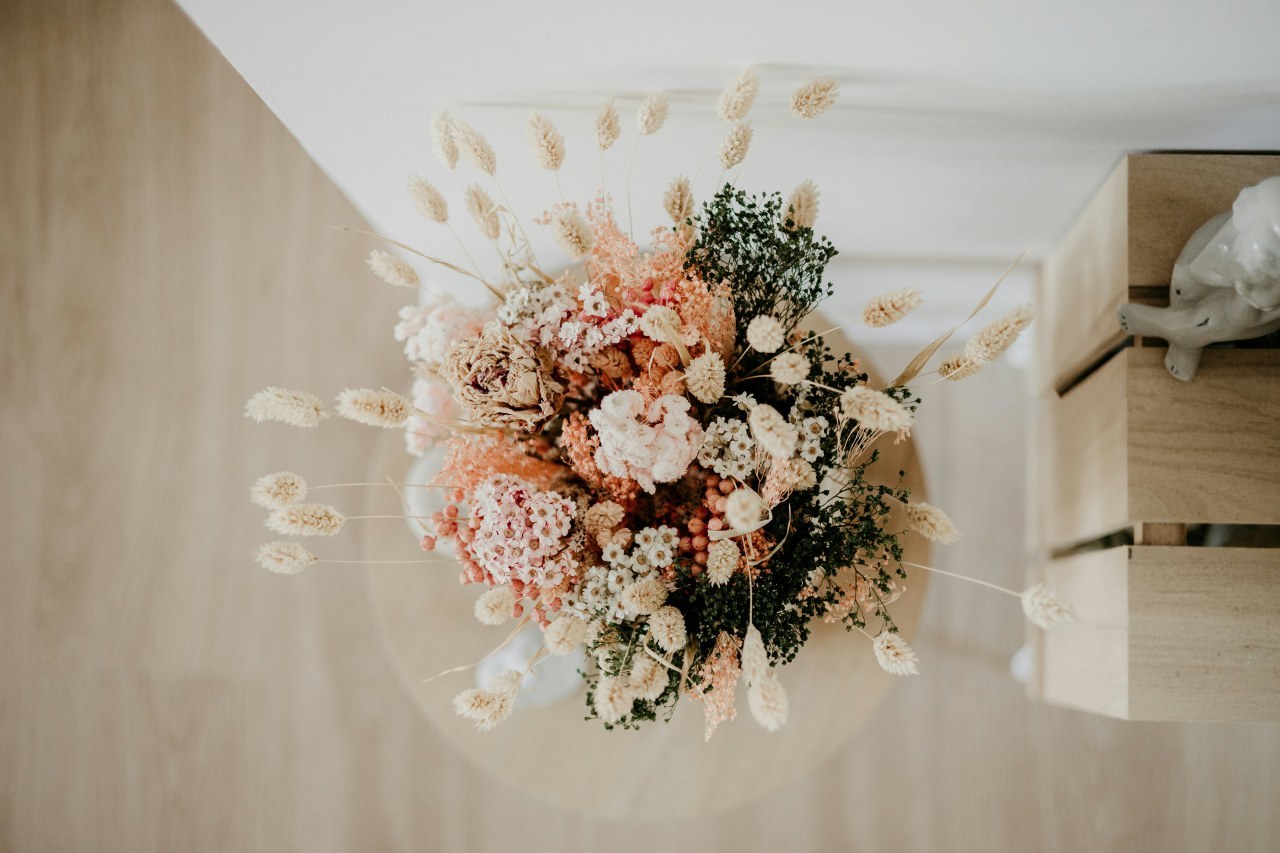
Consider alternatives for large occasions–like potted plants (reuse!), dried bouquets, or even edible arrangements.
The Future of Water-Smart Floristry in the US
Eco-aware floristry is on the rise. Cutting-edge growers in California’s Salinas Valley now use sensor-driven irrigation systems, reducing water use by up to 35% (GreenStem Farms, 2025). Meanwhile, zero-waste flower delivery services like Farmgirl Flowers and UrbanStems are expanding “native wildflower” options with lower water needs.
Expect more florists to tout local sourcing and publish their own water data by 2027. Consumer demand is driving the change–a 2025 FTD/YouGov poll showed 56% of Americans “would pay more for sustainably grown flowers.”
FAQ: Water Footprint of Cut Flowers
How much water does a bouquet of roses use?
A typical bouquet of 12 imported roses can require approximately 84 to 156 gallons of water from cultivation to sale. This includes irrigation, processing, and packaging.
Are locally grown flowers really better for water conservation?
Yes. Locally grown flowers–especially those produced in-season–usually have a 30-50% lower water footprint than imported flowers, thanks to shorter supply chains and more stringent US water-use regulations.
Which flowers have the lowest water footprint?
Typically, tulips, daffodils, statice, and native wildflowers require less water per stem than roses or lilies. Sourcing them locally further reduces water usage.
Is the water used to grow flowers recycled or reused?
Some US and European growers recycle irrigation water in greenhouses, reducing overall consumption. However, many large outdoor farms–particularly in Latin America–still rely on freshwater extraction.
How can I check if my flowers are sustainably grown?
Look for certifications like CCOF, Veriflora, or Rainforest Alliance. Ask your florist about the flowers’ origin and water usage practices–they’re increasingly used as selling points.
Bringing Water Wisdom to the Flower Counter
Next time you pick up a bouquet, ask where it came from and what it took to grow. Prioritize local florists and sustainable growers, and consider switching to lower-water varieties for your next event. By being water-wise with flowers, you join a blooming movement–one that supports growers, protects rivers, and keeps those vases both beautiful and responsible.