Wedding flowers by style – modern minimalist
6 min read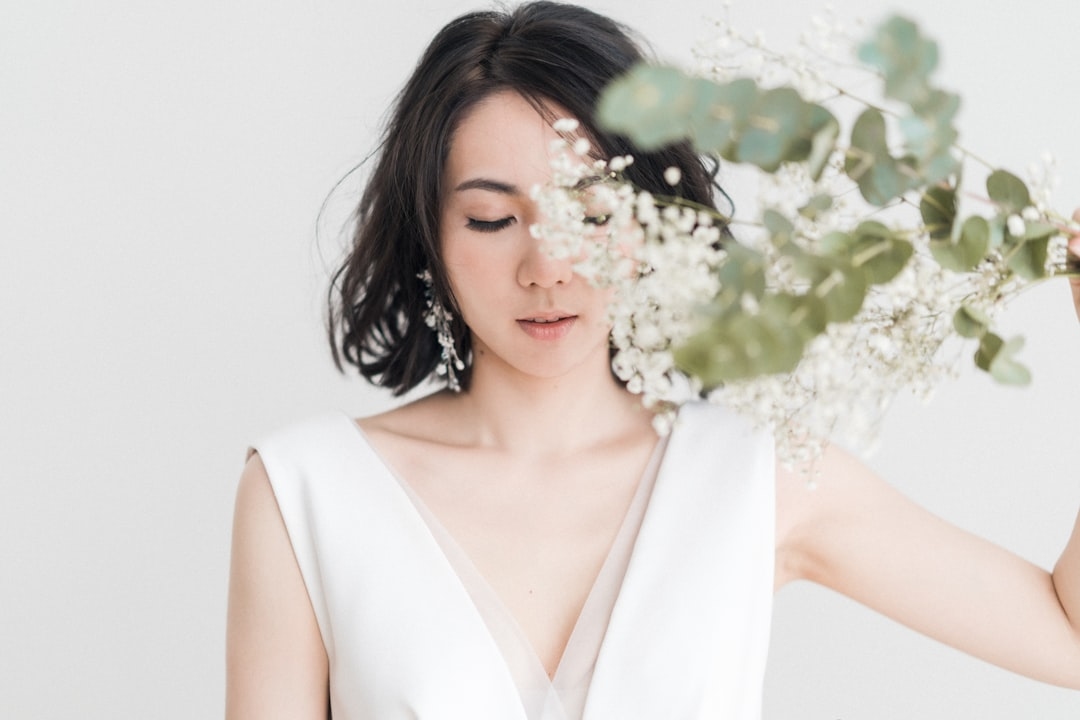
Contents:
- What Are Modern Minimalist Wedding Flowers? (Scannable Answer)
- Why Couples Are Choosing Minimalist Florals
- Signature Flowers and Elements in Modern Minimalist Wedding Floristry
- Key Flowers for Minimalist Designs
- Foliage and Accents
- Modern Minimalist Wedding Flower Trends for 2026
- Monochrome Palettes Dominate
- Structural, Sculptural Arrangements
- Unexpected Stems
- Table: Minimalist vs Maximalist Florals
- How to Plan Your Modern Minimalist Wedding Flowers
- Step 1: Find the Right Florist
- Step 2: Select Your Signature Flower
- Step 3: Focus on Quality Over Volume
- Step 4: Rethink Formats
- Step 5: Streamline Logistics
- Budgeting for Minimalist Wedding Flowers
- Tips to Stretch Your Budget
- Real-Life Examples: Minimalist Florals in Action
- New York City Loft Wedding
- Napa Valley Micro-Wedding
- Dallas Art Gallery Reception
- FAQ: Modern Minimalist Wedding Flowers
- What are the most popular flowers for minimalist wedding bouquets?
- How much do minimalist wedding flowers cost in the US?
- Which palettes work best for minimalist wedding flowers?
- Can minimalist florals work for large weddings?
- What’s the difference between minimalist and traditional wedding flowers?
Wedding Flowers by Style: Modern Minimalist
On a humid June evening in Brooklyn, the bride adjusted her sleek silk gown as guests walked into a reception with a single, perfect calla lily at every place setting. No ruffles, no fuss–just crisp, clean lines. This is the modern minimalist wedding–where every flower counts, and every detail feels intentional. Minimalist floristry isn’t about what’s missing, but about allowing flowers to speak softly but powerfully, making the moment feel more personal.
What Are Modern Minimalist Wedding Flowers? (Scannable Answer)
Modern minimalist wedding flowers showcase simplicity, clean lines, and negative space. Common choices are monochrome bouquets, single-variety arrangements (like all-white orchids or green anthuriums), and unexpected sculptural stems. These designs typically avoid excess greenery and filler blooms, focusing on form, texture, and a restrained color palette–often white, green, or soft neutrals. Minimalist florals favor quality over quantity, with each stem placed intentionally.
Why Couples Are Choosing Minimalist Florals
Minimalist designs have jumped in popularity. According to The Knot’s 2025 Wedding Trends Report, nearly 34% of US couples in metropolitan areas described their florals as “modern/minimal.” The reason goes deeper than aesthetics.
-
Intentionality over opulence
When every stem is chosen for a reason, the arrangements feel more personal and less generic. -
Budget flexibility
Minimalist doesn’t always mean cheaper but often means fewer stems. “Couples pay for quality, not quantity,” observes Kiera Sloane, owner of Studio Stem in Austin, TX. “A single stem of local-grown white peony can cost $12, but you only need a few for big impact.” -
Photography loves negative space
Sparse, sculptural arrangements photograph with drama, letting gowns, tableware, or architecture shine. -
Sustainability considerations
With fewer stems and less floral foam, many minimalist arrangements create less waste–aligning with eco-conscious celebrations.
Signature Flowers and Elements in Modern Minimalist Wedding Floristry
Minimalist florals aren’t about being basic–they’re about placing the spotlight on a few exceptional varieties.
Key Flowers for Minimalist Designs
- Calla lilies: Their smooth curves epitomize modernity. Popular in monochromatic palettes.
- Phalaenopsis orchids: Dramatic, architectural, and trending for 2026.
- Anthuriums: Waxy, heart-shaped blooms that read almost sculptural.
- Ranunculus: Layers of petals, especially in pure white or blush, feel simple yet lush.
- Tulips: Choose single-color parrot, French, or standard tulips for understated elegance.
- Garden roses and peonies: In small quantities. “A handful of white peonies can be more striking than a mixed bouquet,” says Sloane.
Foliage and Accents
- Italian ruscus or aspidistra leaves for linear drama.
- Dried elements: Bleached ferns or bunny tail grass supply subtle contrast.
- No baby’s breath or eucalyptus overload: Minimalist florists use greenery purposefully, as a structural accent–not filler.
“Minimalist flowers let negative space do the talking. Every petal has a reason to be there.”
– Kiera Sloane, Creative Director, Studio Stem
Modern Minimalist Wedding Flower Trends for 2026
Minimalism evolves year to year–here’s what’s defining the look now:
Monochrome Palettes Dominate
All-white isn’t the only option, but it’s having a moment. Other trending palettes:
- Green and white (think: hellebores and white tulips with aspidistra leaves)
- Soft blush or stone-gray
- Occasional pops of black (scabiosa or dyed anthuriums)
Structural, Sculptural Arrangements
- Tall single-stem arrangements on ceremony aisles
- Asymmetrical altar pieces (one side heavier than the other)
- Low centerpiece clusters spaced apart, not packed together
Unexpected Stems
- Bleached amaranthus draping from pedestals
- Minimalist ikebana-inspired arrangements using frog pins (kenzan)
- Single monstera leaf in a glass vase–especially for modern city venues
Table: Minimalist vs Maximalist Florals
| Aspect | Minimalist Florals | Maximalist Florals |
|---|---|---|
| Stem Count | Few, intentional | Lush, abundant |
| Color Palette | Monochrome or muted | Multi-color, vibrant |
| Vase Style | Clear, simple | Ornate, layered |
| Cost | Higher per-stem, fewer needed | Bulk savings, but more total |
| Impact | Elegant, modern, restrained | Lush, romantic, abundant |
How to Plan Your Modern Minimalist Wedding Flowers
The best minimalist weddings start with intentional design, not just “less.”
Step 1: Find the Right Florist
Search for US-based florists with strong design portfolios–Studio Stem (Austin, TX), Brrch (NYC), or Marigold SF (San Francisco) are leaders. Look for:
- Clean, sculptural work in their feed/website
- Knowledge of seasonal, local flowers
- Experience with non-traditional or “negative space” arrangements
Step 2: Select Your Signature Flower
Pick 1-2 showstoppers per event space–one for the bouquet, one for tables. For example:
- Bridal bouquet: white phalaenopsis orchids
- Reception tables: single-stem black calla lilies in glass bud vases
Step 3: Focus on Quality Over Volume
Ask your florist to source the best-quality blooms. Expect to pay $7-15 per luxury stem in 2026 (domestic calla lilies, for example), vs. $2-5 for common varieties.
Step 4: Rethink Formats
- Consider hand-tied bouquets with minimal ribbon.
- Use low, clear compote vases or sleek ceramic vessels for centerpieces.
- Ceremony: a single floral “cloud” to anchor your vows, not repeated arches or installations.
Step 5: Streamline Logistics
Minimalist does not mean DIY is easy. Each arrangement requires precise placement and timing. US flower delivery services like UrbanStems and Farmgirl Flowers will custom-design minimalist bouquets but book well in advance.
Budgeting for Minimalist Wedding Flowers
It’s a common misconception: “Minimal means cheap.” In reality, a modern minimalist wedding flower package in 2026 averages $2,800-$5,200 for a mid-size US city (data: Sloane, Studio Stem, 2026). Here’s why:
- You’re paying for rare, in-season stems and expert floral design.
- Single-stem bouquets or architectural altar pieces can require premium, imported flowers or precise mechanics.
Tips to Stretch Your Budget
- Focus on ceremony and head table–let the rest stay bare or use candles.
- Reuse arrangements between ceremony and reception.
- Favor in-season, US-grown stems (ask about options grown in California or Oregon in spring and summer).
Real-Life Examples: Minimalist Florals in Action
New York City Loft Wedding
Bouquet: Single trailing phalaenopsis orchid stem.
Aisle markers: Tall, unadorned glass cylinders with one green anthurium each.
Reception tables: No tablecloths, just one white calla lily per place setting.
Napa Valley Micro-Wedding
Bridal bouquet: Three white peonies, no greenery.
Ceremony backdrop: Two asymmetrical arrangements of bleached ferns and ranunculus.
Centerpieces: Individual glass bud vases spaced along a long farm table.
Dallas Art Gallery Reception
Bouquet: Monochrome blush ranunculus, hand-tied.
Cocktail hour: Minimalist ikebana setups with frog pins, one hellebore per guest table.
FAQ: Modern Minimalist Wedding Flowers
What are the most popular flowers for minimalist wedding bouquets?
The most popular minimalist wedding bouquet flowers in 2026 are calla lilies, phalaenopsis orchids, anthuriums, tulips, and select garden roses. White and pale blush varieties remain favorites for their clean, elegant look.
How much do minimalist wedding flowers cost in the US?
A modern minimalist wedding floral package in the US in 2026 typically costs between $2,800 and $5,200 for a mid-size celebration. This price covers bouquet(s), boutonnières, ceremony arrangements, and reception centerpieces. Luxury stems and expert design drive the cost per piece.
Which palettes work best for minimalist wedding flowers?
Monochrome palettes–whites, greens, or soft blush–are most common. Some couples introduce subtle accent colors, like taupe, stone, or even black. The key is to keep the color scheme restrained and cohesive.
Can minimalist florals work for large weddings?
Minimalist florals can be stunning at any scale. For large weddings, focus on a few statement installations–like a sculptural altar or entryway piece–with negative space and single-ingredient arrangements on guest tables.
What’s the difference between minimalist and traditional wedding flowers?
Minimalist wedding flowers focus on a few high-quality blooms, negative space, and simple forms–typically using fewer varieties per arrangement. Traditional florals mix many types and colors for a lush, abundant appearance.
Minimalist wedding florals blend intention and artistry, offering a breath of fresh air in a crowded, often overdone wedding landscape. If you crave an aesthetic that’s streamlined yet soulful, find a florist who understands minimalist design–and trust them to create arrangements where every stem matters. Even a single perfect flower can say everything.