Cake florals – safe edible vs decorative
7 min read
Contents:
- Featured Snippet: What’s the Difference Between Safe Edible and Decorative Cake Florals?
- Why Cake Flowers Are Having a Moment
- Edible Cake Flowers: Safe Choices and How to Source Them
- Top Edible Flower Varieties for Cakes
- Shopping and Pricing
- Table: Common Edible Cake Flowers
- Decorative Cake Florals: The Pretty-but-Not-for-Eating Category
- Which Flowers Are Dangerous?
- How Florists Prepare Decorative Florals for Cakes
- Pull-quote:
- Edible vs Decorative Cake Flowers: Side-by-Side Comparison
- How US Bakeries and Florists Handle Cake Flowers
- Custom Cakes: Ask the Right Questions
- DIY Florals: Where to Buy and What to Avoid
- Food Laws and Labeling: What the FDA Says
- Cake Florals for Special Diets and Occasions
- FAQ – Cake Florals: Safe Edible vs Decorative
- Which flowers are safe to eat on cakes in the US?
- Can I use grocery store flowers or florist bouquets on cakes?
- Are all organic or pesticide-free flowers safe to eat?
- How should I prepare edible flowers for cake decorating?
- What’s the best way to add flowers to a cake safely?
- Looking Ahead: Floral Cakes, Safely Done
Cake Florals – Safe Edible vs Decorative
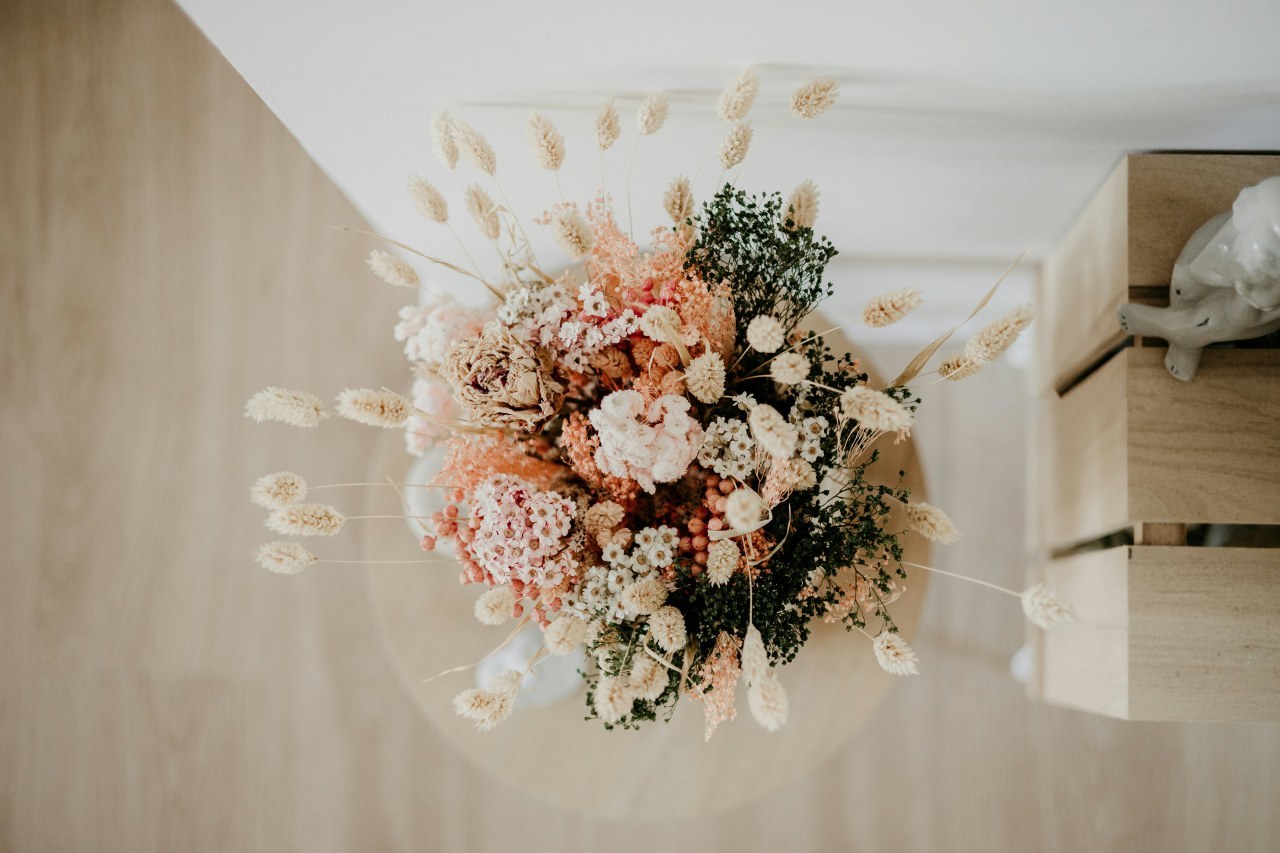
A wedding cake crowned in fresh peonies, a baby shower cake skirted in petite pansies, or a bustling bakery shelf lined with daisy-topped cupcakes. Fresh flowers on cakes are everywhere in 2026, from minimalist buttercream confections on Instagram to over-the-top Food Network showstoppers. Yet behind every lush, floral-adorned cake is one pivotal question: Which blooms belong on a cake, which are just for show, and–most importantly–which are safe to eat?
Featured Snippet: What’s the Difference Between Safe Edible and Decorative Cake Florals?
Edible cake florals are flowers that are safe for human consumption, often grown specifically for culinary use and free from pesticides. Examples include pansies, violets, nasturtiums, and marigolds. Decorative florals are non-toxic but not intended for eating, or even toxic; they’re used strictly for aesthetics and must be handled carefully to avoid contaminating the cake. Always check with your baker or florist: edible flowers can be consumed, decorative ones are for looks only.
Why Cake Flowers Are Having a Moment
Flowers on cakes aren’t new–Victorian cake makers were already decorating with candied violets in the 1800s. Now, demand is blooming. According to the 2025 National Cake Decorators Guild survey, 62% of American wedding cakes featured fresh flowers–a 30% jump since 2020.
What’s fueling the trend?
- Social media: Pinterest pins for “cake flowers” are up 400% since 2024.
- Wellness culture: Edible botanicals are touted for their flavors and antioxidants.
- Modern aesthetics: Fresh flowers turn even a supermarket sheet cake into a “wow.”
But with increased popularity comes confusion–and risk. Not every flower is safe, and not every bakery understands the difference.
Edible Cake Flowers: Safe Choices and How to Source Them
Top Edible Flower Varieties for Cakes
Not all beautiful blooms are edible. Here’s a quick-hit list of tried-and-true culinary flowers in the US:
- Pansies: Delicate, lightly sweet, available in vibrant purples and yellows.
- Nasturtiums: Peppery flavor, bright orange or red, popular on savory cakes.
- Violets: Classic for candies and pressed toppings.
- Marigolds (Calendula): Citrus tang, used for bold color accents.
- Borage: Cucumber flavor, star-shaped blue flowers.
- Roses: Fragrant, sweet petals–must be unsprayed and from food-safe sources.
- Chamomile: Daisy-like, apple-scented, whimsical on rustic cakes.
Pro tip from Emily Russo, Certified Cake Artist (CCA) and owner of Bake Bloom in Austin, TX:
“Always buy from a farm or supplier labeled ‘edible flowers.’ Grocery store bouquets are NOT safe for eating–most are treated with pesticides not meant for food.”
Shopping and Pricing
Edible flowers are a premium add-on. In 2026, expect to pay:
- $10-$18 per pack (enough to decorate a 9-inch cake) from specialty grocers like Whole Foods or online (Marigold Mountain Farms, California).
- $20-$45 per box for certified-organic edible flowers via Goldbelly or local farm co-ops.
Always: Rinse gently, pat dry, and use within 1-2 days for best flavor and appearance.
Table: Common Edible Cake Flowers
| Flower | Flavor | Safe to Eat Raw? | Notes |
|---|---|---|---|
| Pansy | Mild, grassy | Yes | Good for pressed cakes |
| Nasturtium | Peppery | Yes | Adds color pop |
| Rose | Mild, floral | Yes (untreated) | Remove white base |
| Marigold | Citrus, tangy | Yes | Use calendula, not French marigold |
| Lavender | Floral, herbal | Yes (culinary) | Strong–use sparingly |
Decorative Cake Florals: The Pretty-but-Not-for-Eating Category
Which Flowers Are Dangerous?
Some of the world’s most beautiful blooms are actually toxic–especially to kids and pets. Here are a few that should never touch a cake you plan to eat:
- Lilies
- Hydrangeas
- Baby’s breath
- Daffodils
- Foxglove
- Ranunculus
Even non-toxic decorative flowers (like snapdragons) can be problematic if they are treated with chemicals or not cleaned properly.
How Florists Prepare Decorative Florals for Cakes
Pro bakers sometimes use food-safe barriers such as:
- Floral tape and wrap on stems
- Plastic picks or tubes (Wilton, Ateco brands)
- Parchment “guards” under arrangements
Maya Tran, owner of Sweet Stem Florals (NYC), shares:
“We only use flowers that have never touched chemical sprays, and insert all stems using food-grade tape or pick. No direct contact with cake, ever.”
Pull-quote:
“Not all organic or ‘natural’ flowers are edible. The line is thinner than you think. If in doubt, keep it out!”
– Dr. Caroline Mason, Horticulturist (Cornell Extension, 2026)
Edible vs Decorative Cake Flowers: Side-by-Side Comparison
| Feature | Edible Cake Florals | Decorative Cake Florals |
|---|---|---|
| Safety to Eat | Yes, if properly sourced | No, often toxic or treated |
| Source | Specialty edible flower farms | Florists, grocery bouquets |
| Cost (per 9” cake, 2026) | $10-$50 | $5-$20 |
| Cake Contact | Direct (after rinsing) | Use barriers or picks |
| Popular Varieties | Nasturtium, pansy, rose, marigold | Baby’s breath, lily, peony |
| Shelf Life | 1-3 days | 3-7 days |
| Added Flavor | Yes | No |
How US Bakeries and Florists Handle Cake Flowers
Custom Cakes: Ask the Right Questions
If ordering a floral cake from a bakery or delivery service (Milk Bar, Magnolia Bakery, SusieCakes), clarify:
- Are the flowers edible or decorative?
- Are they grown for consumption (certified pesticide-free)?
- If decorative, are food-safe barriers used on stems?
- Can they provide a list of included flower species?
A 2025 survey by the American Association of Bakers found that 42% of custom cake orders with flowers used at least one bloom that shouldn’t touch food. A surprisingly high risk–especially for events with children or guests with allergies.
DIY Florals: Where to Buy and What to Avoid
Where to buy edible cake flowers in the US (2026):
- Specialty groceries: Whole Foods, Erewhon, select Kroger locations
- Online florists: Gourmet Sweet Botanicals, The Chef’s Garden, Goldbelly
- Local farms: Search “edible flowers near me” for local pick-up
What to avoid:
- Flowers from florists or markets unless labeled “edible”
- Homegrown flowers unless you never use pesticides or herbicides
- Wildflowers (often lookalikes to toxic varieties)
Food Laws and Labeling: What the FDA Says
As of 2026, the US Food and Drug Administration (FDA) does not require a specific label for “edible flowers,” but does regulate pesticide use on items marketed for consumption. California and Washington set stricter standards for edible flower labeling.
Best practice: Ask suppliers for a food safety certificate or grower’s guarantee. Reputable online retailers will supply one on request.
Cake Florals for Special Diets and Occasions
- Gluten-Free/Vegan: Edible flowers are naturally gluten and dairy free–just watch for cross-contamination.
- Allergies: Pollen allergies? Stick to low-pollen flowers (roses, marigold) and always remove excess pollen.
- Kids’ Parties: Use only edible, non-toxic flowers and skip all decorative types for safety.
Fun fact: Pressed edible flowers on translucent rice paper “glass cakes” went viral on TikTok in mid-2025. Expect to see more of these at kids’ bakeries and pop-up patisseries.
FAQ – Cake Florals: Safe Edible vs Decorative
Which flowers are safe to eat on cakes in the US?
Edible flowers commonly used on cakes include pansies, nasturtiums, violets, marigolds (calendula), borage, roses (unsprayed), and chamomile. Always source from growers or stores that label flowers as edible and food-safe.
Can I use grocery store flowers or florist bouquets on cakes?
No. Flowers from grocery stores or florists are generally treated with chemicals not meant for food. Only use flowers labeled as edible, and never eat decorative flowers unless grown for consumption.
Are all organic or pesticide-free flowers safe to eat?
No. Some flowers are inherently toxic, even if grown organically. Always verify that the specific variety is edible, and consult expert lists or your bakery/flower supplier.
How should I prepare edible flowers for cake decorating?
Rinse gently in cool water, pat dry with a paper towel, and use immediately. Remove stems, pistils, and check for insects. For pressed flowers, use clean baking parchment and a heavy book.
What’s the best way to add flowers to a cake safely?
For edible flowers, arrange directly after prepping. For decorative (non-edible) flowers, use food-grade barriers like floral picks or parchment to prevent contact with cake. Never insert untreated stems directly into cake.
Looking Ahead: Floral Cakes, Safely Done
Planning a cake-flowers masterpiece? Start by asking your baker or florist: edible or decorative? For at-home bakers, order only from trusted edible flower sources–and check safety lists before adding that final bloom. In the US, options for safe, beautiful, and delicious floral cake decoration have never been better. With a little research and the right flowers, you’ll have a cake that’s both Instagram-famous and safe enough for every guest to enjoy–petals and all.