Floral business pricing formulas explained
5 min read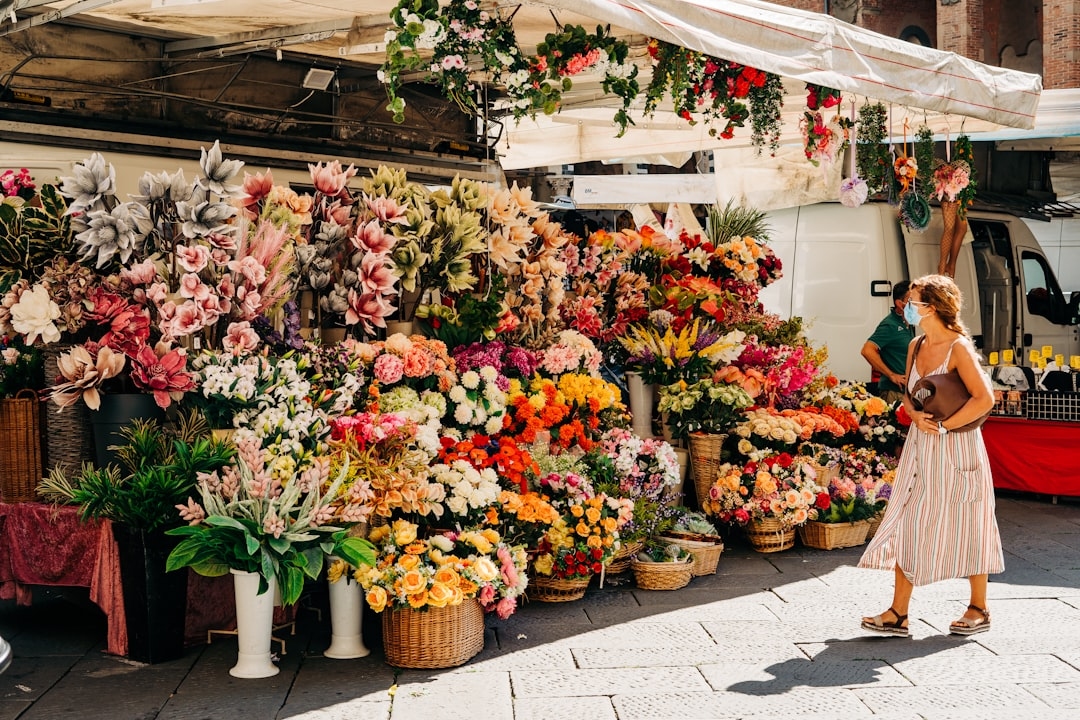
Contents:
- The Short Answer: How Do Florists Calculate Pricing?
- Why Pricing Flowers Is Different From Other Retail
- Breaking Down the Core Pricing Formula
- The Markup Multiplier
- Labor and Design Charges
- Supplies and Materials
- Overhead
- Pricing Formula in Action: A Sample Calculation
- Supermarket Bouquets vs. Boutique Florists: Why the Price Gap?
- Adjusting for Seasonality and Special Orders
- Holidays & High-Demand Events
- Weddings & Custom Work
- Subscription Services
- The Hidden Costs: Waste and Shrinkage
- Tech, Trends, and Transparent Pricing in 2026
- FAQs: Floral Pricing Formulas in 2026
- How much profit do florists make per bouquet in the US?
- Why do flower prices rise so much around holidays?
- Are local florists more expensive than online flower delivery services?
- Can I request a breakdown of floral arrangement charges?
- What is the average markup on retail flowers?
Floral Business Pricing Formulas Explained
Ever wondered why a dozen roses from your local florist costs $85 while a supermarket bunch rings up at $16? Pricing in the floral industry isn’t a roll of the dice–it’s a puzzle of math, supply chain realities, and the actual cost of artistry. Knowing how florists formulate those numbers can completely change how you see a bouquet.
The Short Answer: How Do Florists Calculate Pricing?
Florists use cost-plus pricing formulas. The most common:
(Wholesale cost of flowers + supplies) × Markup + Labor + Overhead = Retail Price
- Markup: Typically 2x to 4x the wholesale flower cost.
- Labor: 20-30% of the retail price for design and prep.
- Overhead: Factored in as a percentage (often 10-15%) to cover rent, utilities, and more.
For a $30 wholesale bunch, the bouquet may retail between $60-$120, plus added fees for design, delivery, and overhead.
Why Pricing Flowers Is Different From Other Retail
Most products can sit on a shelf for months. Not flowers. With flowers, you’re juggling perishability, seasonality, and even the weather in Bogotá. Unlike shoes or coffee mugs, a $2 increase in wholesale tulip prices can wipe out your profit margin overnight. American florists cite that flower costs fluctuate as much as 30% week-to-week around major holidays (Valentine’s Day, Mother’s Day).
“Half your skill as a florist is timing your orders right and knowing when to raise or hold your prices,” says Linda Tran, AIFD, owner of Petal & Stem in Dallas.
Breaking Down the Core Pricing Formula
1. The Markup Multiplier
The flower industry standard is a markup of 2×-4× on wholesale product.
| Flower Type | Typical Markup | Why? |
|---|---|---|
| Long-stem roses | 3×-4× | High demand, high spoilage risk |
| Mixed bouquets | 2.5×-3× | Lower demand, easier to upsell variety |
| Succulents & plants | 1.5×-2× | Longer shelf life, less labor |
Holiday markups climb even higher. On Valentine’s Day 2026, many florists in New York marked up premium roses at 4.5× due to farm shortages and airfreight costs.
2. Labor and Design Charges
Floral design is skilled work. The Society of American Florists (SAF) suggests labor should be about 30% of a bouquet’s total price. For a $90 arrangement, expect $27 to cover the designer’s time–from prepping stems to wiring ranunculus.
3. Supplies and Materials
Vases, floral foam, ribbons, and packaging can seem like small change, but they quickly add up–often $3-$10 per arrangement.
4. Overhead
This covers everything that keeps the doors open:
- Rent or mortgage: $1,500-$8,000/month, depending on location
- Utilities and insurance
- Delivery van leases, website, marketing
Many shops add a 10-15% overhead rate on every sale.
Pricing Formula in Action: A Sample Calculation
Let’s map out pricing for a classic mixed bouquet in Los Angeles, spring 2026.
- Flowers (wholesale): $24
- Supplies (vase, foam, packaging): $6
- Labor (30% of subtotal): $9
- Overhead (15%): $6.45
Wholesale + Supplies: $24 + $6 = $30
Step 1: Apply a 2.5× markup on flowers only: $24 × 2.5 = $60
Step 2: Add supplies: $60 + $6 = $66
Step 3: Add labor: $66 + $9 = $75
Step 4: Add overhead: $75 + $6.45 = $81.45
A $24 bunch of stems retails for about $81.45–and that’s before delivery.
“If you want to pay your staff, renew your insurance, and cover waste, the math isn’t optional,” says Jennifer Lee, Certified Floral Designer, Minneapolis.
Supermarket Bouquets vs. Boutique Florists: Why the Price Gap?
Supermarkets (like Kroger or Trader Joe’s) sell flowers as a loss leader–the goal is foot traffic, not profits. They buy in massive volume and skip custom design.
| Feature | Supermarket ($15) | Local Florist ($65-$120) |
|---|---|---|
| Flower freshness | 3-5 days | 7-10 days |
| Design customization | None | Yes (weddings, events, colors) |
| Sourcing | Mass-imported | Often local or specialty farms |
| Delivery | No | Yes, usually citywide |
Boutique florists hand-select stems, offer design expertise, and provide service. The price includes time, talent, and tailored sourcing.
Adjusting for Seasonality and Special Orders
Holidays & High-Demand Events
Valentine’s and Mother’s Day can see wholesale prices double or triple overnight. Many US florists now use a “Holiday Surcharge” based on projected demand and supplier pricing.
Example:
- Roses wholesale in January 2026: $1.45 per stem
- Roses wholesale on Valentine’s 2026: $4.35 per stem
Florists adjust their retail pricing daily, sometimes even hourly during the busiest weeks.
Weddings & Custom Work
Custom event arrangements use a formula with a higher labor percentage (up to 40%) and often include design consultation fees ($100-$500 per event in 2026). Exclusive blooms (Japanese ranunculus, David Austin garden roses) are priced at premium markups.
Subscription Services
Monthly floral subscriptions (ex: UrbanStems, BloomsyBox) typically use streamlined formulas:
- Lower labor costs (bulk design)
- Less packaging
- High-volume contracts allow for modest markups, often 1.5×-2×
The Hidden Costs: Waste and Shrinkage
According to a 2025 SAF report, the average US florist loses 10-18% of inventory weekly due to spoilage–shrinking profit margins. Florists price in this waste, especially during slow periods.
“You can’t sell a wilted tulip. Factoring in shrinkage is just reality,” says Marcus Voss, shop manager at Green Thumb Florals, Seattle.
Tech, Trends, and Transparent Pricing in 2026
Florists are adopting inventory management software (like Floranext, Curate) to track costs, spoilage, and seasonal trends. Some shops now offer digital breakdowns so customers see:
- Flower costs
- Supplies
- Design fees
- Delivery
Transparency builds trust and educates consumers on the value behind blooms.
FAQs: Floral Pricing Formulas in 2026
How much profit do florists make per bouquet in the US?
Most florists target a net profit margin of 8-15% per bouquet after all costs. High-end arrangements or events can push this to 20%, but losses from wasted product often bring it back down.
Why do flower prices rise so much around holidays?
Holiday price spikes are driven by increased demand, farm supply shortages, and costly air freight. For example, Valentine’s 2026 saw wholesale rose prices triple within two weeks.
Are local florists more expensive than online flower delivery services?
Generally, yes. Local florists provide custom design, fresher stems, and better service. Their prices reflect overhead, labor, and quality, whereas big online brands (like 1-800-Flowers or FTD) use economies of scale and simple designs.
Can I request a breakdown of floral arrangement charges?
Yes–many US florists now provide itemized estimates upon request, especially for weddings and events. This transparency is a growing trend in 2026.
What is the average markup on retail flowers?
The average US retail markup is 2x-4x on wholesale cost, depending on season, flower type, and arrangement complexity.
Ready to price out your own bouquet or plan floral expenses for an event? Ask about pricing formulas, markups, and labor. If you’re running a floral business, experiment with your own cost-plus formula and track labor time by the minute. The more you understand the math behind the petals, the smarter both your buying–and your selling–will be.