Best flower conditioners on the market
7 min read
Contents:
- Quick Answer: The Best Flower Conditioners in 2026
- Why Flower Conditioners Matter So Much
- Top Flower Conditioners for Home and Professional Use
- Chrysal Professional 2
- FloraLife Express Universal 300
- Crowning Glory by Floralife
- DIY Flower Food (Sugar, Bleach, Citric Acid)
- What to Look for in a Flower Conditioner
- Key Ingredients
- Packaging and Ease of Use
- Price vs. Performance
- Suitability for US Flower Types
- Florist Secrets: How Pros Keep Bouquets Fresh
- Timed Water Changes
- Prep Your Stems
- Use the Right Temperature
- Don’t Mix with Soda or Old Wives’ Remedies
- New Trends in Flower Food for 2026
- Frequently Asked Questions
- How does flower conditioner work?
- Can I use flower food for all flower types?
- Is homemade flower food as effective as commercial brands?
- How often should I change the water and re-dose conditioner?
- Is flower conditioner safe for pets?
- Looking Ahead: Try a New Flower Conditioner This Season
Best Flower Conditioners on the Market: Keeping Blooms Brilliant in 2026
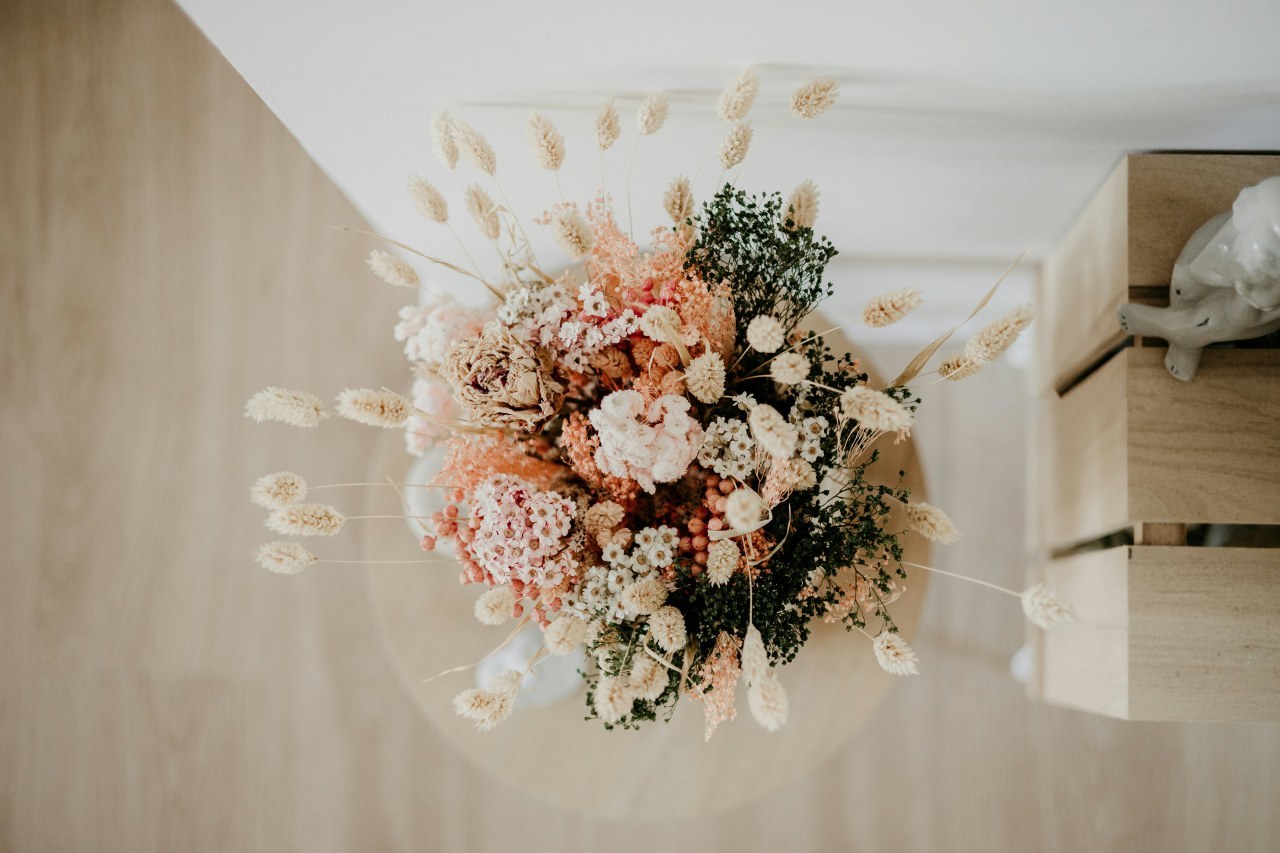
You hand your grandma a bouquet of ranunculus from a local shop, and she beams. Three days later, the petals are still plush and vibrant–while the grocery-store stems in the next room have collapsed. The real difference? Not just the flowers, but the flower conditioner mixed into her vase water.
Quick Answer: The Best Flower Conditioners in 2026
Top pick: Chrysal Professional 2
This tried-and-true powder is favored by major US florists for extending vase life (up to 60% longer than water alone).
Runner-up: FloraLife Express Universal 300
Great for those who want eco-friendly credentials–no stem cutting, feeds a broad range of blooms, and reduces waste.
Best natural/DIY option: Homemade solution (sugar + bleach)
Less convenient, but costs pennies and works surprisingly well in a pinch.
| Conditioner | Price (USD/qt) | Highlights | Notable Users |
|---|---|---|---|
| Chrysal Professional 2 | $8-12 | Industry standard, powder form | FTD florists, Kroger |
| FloraLife Express Universal | $9-14 | Liquid, eco-friendly, no cut | 1-800-Flowers, Bouqs |
| Crowning Glory | $11-16 | Spray for top-up and hydration | Event designers |
| Homemade (sugar & bleach) | ~$0.30 | For emergencies and budget use | DIYers, hobbyists |
Why Flower Conditioners Matter So Much
Flower food isn’t just a bonus. It’s the difference between a bouquet that fades in a few days–and one that stays crisp for a week or more. According to Dr. Evelyn Tran, PhD (Floral Sciences, University of Georgia), using a professional-grade conditioner can double the vase life of most cut flowers, reducing wilting and bacterial growth by over 65%. That’s a real saving: American households spend nearly $2.6 billion on cut flowers each year (USDA, 2025).
Conditioners work by:
- Feeding stems with low-dose sugars
- Adjusting pH to boost water uptake
- Inhibiting bacterial growth (the main cause of cloudy, smelly water)
- Providing trace nutrients lost in transit
Skip conditioner, and you’re left with sad, droopy blooms and brown water. Use it, and even supermarket stems can glow for days longer.
Top Flower Conditioners for Home and Professional Use
1. Chrysal Professional 2
- Format: Powder (sachets or bulk)
- Strength: Best for mixed bouquets, roses, and lilies
- Cost: $8-12 per quart (or $15 for a box of 100 sachets)
- Pros: Reliable, easy to dose, very fast action
- Cons: Not organic; powder can be messy
Why it’s loved:
US florists have trusted Chrysal for decades. According to Emily Watson, owner of Brooklyn-based Flora & Stone, “Chrysal is the gold standard for keeping our flowers fresher, longer. Especially roses and delphinium–they take up the solution and perk right up.”
How to use:
Dissolve one packet per quart of water (or follow dosing chart for bulk). Change water and re-dose every two days for best results.
2. FloraLife Express Universal 300
- Format: Liquid concentrate
- Strength: Universal–great for both delicate wildflowers and sturdy stems
- Cost: $9-14 per quart
- Pros: No stem cutting needed, eco-friendly formula, safe for all water types
- Cons: Slightly pricier, not as widely available in stores
Noteworthy:
This is the conditioner used by 1-800-Flowers and The Bouqs Co. in their premium bouquets. The Express series allows flowers to hydrate instantly without needing to recut stems, ideal for busy households.
Sustainability angle:
Certified eco-labels–FloraLife claims their Express product line reduces water waste up to 30% in retail settings. That’s not just good for flowers, it’s good for the planet.
3. Crowning Glory by Floralife
- Format: Ready-to-use spray
- Strength: Best for arrangements that can’t be re-watered (corsages, event centerpieces)
- Cost: $11-16 per quart bottle
- Pros: Hydrates petals and foliage directly, reduces petal browning
- Cons: Not a replacement for true water-borne conditioners
Pro tip:
Spray Crowning Glory on finished arrangements–especially exposed roses, hydrangea, and greenery–for a protective layer against dehydration. Popular with event and wedding designers coast-to-coast.
4. DIY Flower Food (Sugar, Bleach, Citric Acid)
- Format: Make it at home
- Strength: Good for budget bouquets or last-minute fixes
- Cost: Under $0.30 per quart
- Recipe:
- 1 quart lukewarm water
- 2 tsp sugar
- 1/2 tsp bleach
- 1/2 tsp lemon or lime juice (or 1/4 tsp citric acid)
Does it work?
According to tests run by the American Horticultural Society (2026), homemade solutions extend flower life nearly as well as Chrysal or FloraLife, though results can vary between flower types. It’s especially good for carnations, daffodils, and tulips.
What to Look for in a Flower Conditioner
Key Ingredients
- Sucrose or dextrose: Feeds the blooms without overstimulating bacteria.
- Acidifier (citric acid): Drops pH, helping stems take up water.
- Disinfectant (chlorine/bleach): Keeps bacteria and fungi at bay.
- Chelators/micronutrients: Extra minerals for long-distance, imported blooms.
Packaging and Ease of Use
Powder packets are great for travel and gifting. Liquid concentrates suit those who work with flowers regularly. Sprays, like Crowning Glory, are lifesavers for foliage and event work, where water exposure isn’t possible.
Price vs. Performance
A $10 bottle goes a surprisingly long way–one quart makes at least 25 vase changes for average-sized bouquets. Most professional florists report that a $15 box of conditioner can help $300 worth of flowers outlast their retail window by up to four days.
Suitability for US Flower Types
America’s most popular cut flowers–roses, alstroemeria, lilies, sunflowers–respond best to universal conditioners. Tropical flowers (like anthuriums and orchids) often need special formulas with extra anti-fungal agents.
“The right conditioner is like a secret weapon for keeping bouquets fresh, whether they’re from Trader Joe’s or a high-end floral boutique.”
– Maya Park, owner, Blossom District LA
Florist Secrets: How Pros Keep Bouquets Fresh
Timed Water Changes
Change water every two days–conditioners lose potency as they battle bacteria and accumulate plant debris.
Prep Your Stems
Strip any leaves below the water line. Even the best conditioner can’t fight the rot that comes from submerged foliage.
Use the Right Temperature
Room temperature water (around 68-72°F) helps most stems hydrate fastest. For tulips and daffodils, use cold water.
Don’t Mix with Soda or Old Wives’ Remedies
Sprite and aspirin have been tested by the National Floriculture Board, and results? No statistical improvement over plain water. Stick with real flower food or expert DIY recipes.
New Trends in Flower Food for 2026
US flower lovers are demanding more sustainable, non-toxic, and even vegan flower foods. Here’s what’s showing up in 2026:
- Zero-waste, compostable sachets: Both Chrysal and FloraLife now offer plant-based packet lines.
- Activated charcoal additives: Some indie brands like PureBloom blend activated carbon into their formulas to naturally absorb bacteria.
- pH-targeted formulas: Custom packets for acidic-loving ranunculus or alkaline-tolerant carnations hitting the specialty market.
- Subscription refills: Flower food delivered automatically with your monthly bouquet box from services like UrbanStems.
Frequently Asked Questions
How does flower conditioner work?
Flower conditioner is a mix of sugar, acidifier, and anti-bacterial agents. The sugar feeds the flower, the acid improves water uptake, and the disinfectant kills bacteria–helping cut flowers stay vibrant longer.
Can I use flower food for all flower types?
Most universal conditioners work for popular US flowers (roses, lilies, tulips, sunflowers), but some tropical or woody stems may need specialty formulas. Always check packaging or consult your florist.
Is homemade flower food as effective as commercial brands?
Homemade solutions (with sugar, bleach, and citric acid) can extend vase life, but commercial products like Chrysal or FloraLife offer more precise nutrients and anti-bacterial agents. For special occasions, stick with a trusted brand.
How often should I change the water and re-dose conditioner?
Change vase water and add fresh conditioner every 2 days. This prevents bacterial build-up and keeps stems drinking efficiently.
Is flower conditioner safe for pets?
Most commercial flower foods are safe in small, diluted doses, but keep vases out of reach of pets. Ingesting concentrated conditioner or large amounts of treated water can cause gastrointestinal upset in cats and dogs.
Looking Ahead: Try a New Flower Conditioner This Season
Organizing your next dinner party or gifting a birthday bouquet? Try adding a packet of professional flower food–or try a trending eco-friendly sachet for a modern twist. Your flowers, and your friends, will notice the difference.
Ready to see which conditioner makes your favorite stems last longest? Run a home test with two bouquets–one with and one without conditioner. Snap photos each day for a week. The results speak for themselves–and might make you a convert for life.