7 facts you didn’t know about peonies
7 min read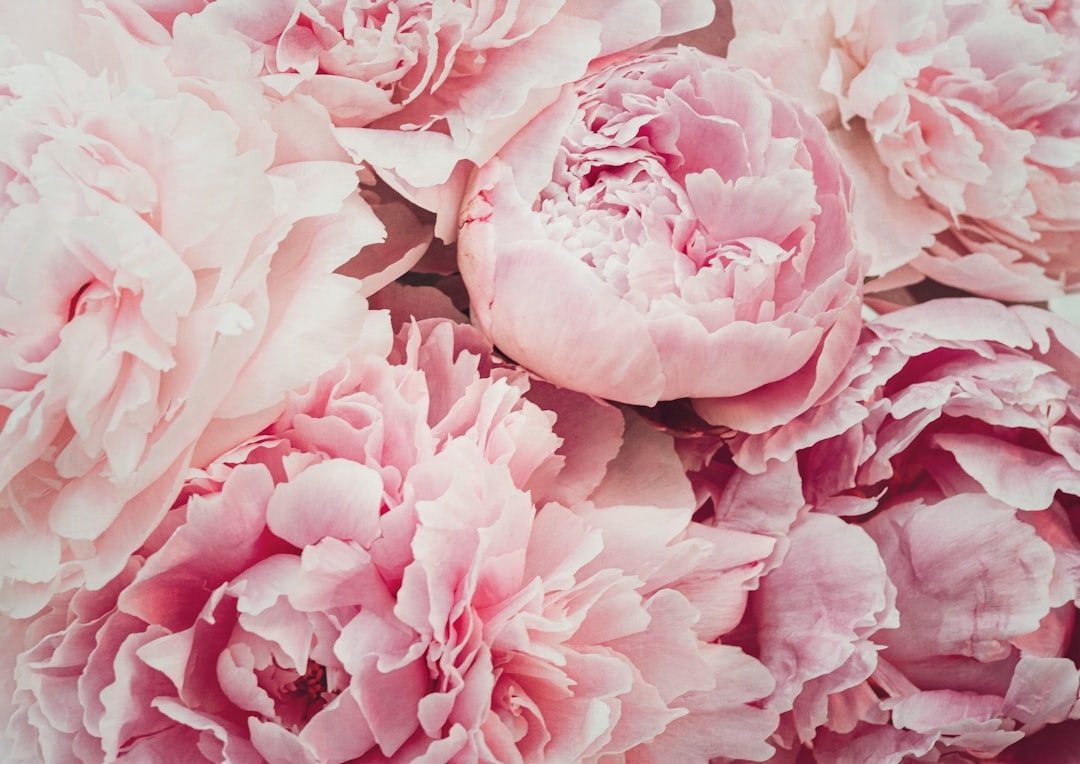
Contents:
- Quick Answer: Surprising Peony Facts (Featured Snippet Style)
- Peonies Can Live Longer Than the House You Plant Them Beside
- Why Do Peonies Last So Long?
- The US Peony Boom–And Why They’re Pricey
- Table: Popular Peony Colors in the US, 2026
- Peonies Are Not All the Same–And Some Aren’t Even Fragrant
- Herbaceous, Tree, or Itoh? A Quick Guide
- The Real Peony Season–And Why It’s So Short
- Why is Peony Season So Brief?
- Some Peonies Change Color Before Your Eyes
- Edible Peonies? Yes–But Know Your Source
- Peonies Are Surprisingly Tough–And Drought-Tolerant
- FAQ: All About Peonies
- What months are peonies in season in the US?
- How long do peonies last as cut flowers?
- Are peonies expensive compared to other flowers?
- Are peonies safe for pets?
- Why did my peonies not bloom this year?
- What’s Next for Peony Lovers?
7 Facts You Didn’t Know About Peonies
You can spot a peony from across the room: clouds of petals, dreamy perfume, colors that look good enough to eat. They are the show-offs of any bouquet, and America can’t get enough. Yet behind the lush blooms sold by florists from Brooklyn to San Diego, peonies are keeping some secrets. For every elegant arrangement featuring Sarah Bernhardt or Coral Charm, there’s a hidden layer to this flower’s story. Here are seven things most people–including devoted fans–don’t know about peonies.
Quick Answer: Surprising Peony Facts (Featured Snippet Style)
- Peonies can live for over 100 years in one spot.
- Top American florists report peonies are among the top three best-selling wedding flowers in 2026.
- There are over 30 species and 6,500 named cultivars worldwide.
- Peak US peony season is short: just late April through early June.
- Some modern peonies change color as they age–’Coral Sunset’ turns from coral to ivory in days.
- Certain peonies have edible petals, featuring in luxury US cocktails and desserts.
- Despite their lush look, most peonies are surprisingly drought-tolerant.
1. Peonies Can Live Longer Than the House You Plant Them Beside
Gardeners in New England love to brag about their heirloom peonies outliving generations. It isn’t just folklore. Dr. Alice L. Stanton, horticultural historian at Cornell, found documented clumps blooming over 120 years after planting on old Massachusetts homesteads. Peonies are perennial powerhouses. Once they establish–a process that can test your patience for 2-3 years–they can bloom faithfully each spring for a century or more.
Why Do Peonies Last So Long?
Peonies develop thick, tuberous roots that store energy. Unlike tulips or daffodils, which can fade after a few seasons, peonies get better with age, putting on larger, lusher blooms over time.
“You plant a peony for your grandchildren, not just yourself. No other flower rewards patience like this,” says Chris Baldwin, head grower at Pacific Peony Farm in Washington.
2. The US Peony Boom–And Why They’re Pricey
Peonies are more than just a garden nostalgia trip–they’re a multi-million dollar business in America. According to Florists’ Transworld Delivery (FTD), peonies are the third most-requested wedding flower at US flower shops in 2026, trailing only roses and ranunculus. Prices follow demand: In peak season, florists pay $4-$8 per stem wholesale for premium double-bloom peonies.
Table: Popular Peony Colors in the US, 2026
| Color | % of Wedding Orders | Top Cultivars |
|---|---|---|
| Blush Pink | 48% | Sarah Bernhardt, Angel Cheeks |
| White/Cream | 28% | Festiva Maxima, Duchesse de Nemours |
| Hot Pink/Fuchsia | 12% | Kansas, Karl Rosenfield |
| Coral | 7% | Coral Charm, Coral Sunset |
| Red/Maroon | 5% | Red Charm, Buckeye Belle |
Florists note that American-grown Alaska peonies dominate July weddings, while Midwest and Pacific Northwest farms supply spring. Imports from Holland fill in the gaps, and demand keeps rising, especially for ombré and rare Itoh hybrids.
3. Peonies Are Not All the Same–And Some Aren’t Even Fragrant
The word “peony” covers a surprising range of flowers–over 30 wild species and more than 6,500 registered cultivars. Some grow as herbaceous perennials, others as woody shrubs (tree peonies), and a third group–Itoh peonies–are interspecies hybrids bred for show-stopping blooms and disease resistance.
Herbaceous, Tree, or Itoh? A Quick Guide
- Herbaceous Peonies: Die back in winter, classic cut-flower types. Varieties: Sarah Bernhardt, Bowl of Beauty.
- Tree Peonies (Paeonia suffruticosa): Woody stems, blooms like crepe paper. Often huge and early–called mudan in China.
- Itoh Peonies: Intersectional hybrids, bred by Toichi Itoh in Japan, combining the best of both types: strong stems, large blooms, and a wider color range.
And don’t assume every peony is fragrant. The coveted Sarah Bernhardt is sweet as candy, but Red Charm and Coral Charm have little to no scent. Always ask your florist if fragrance is a must.
Pull-quote: “The peony family tree is as wild as their riot of petals. Every new variety is a little surprise.”–Julia Fong, lead designer at Peony & Pine Floral, Portland, OR
4. The Real Peony Season–And Why It’s So Short
In the US, locally grown peonies have a blink-and-you’ll-miss-it season. From Boston to Seattle, the main bloom runs roughly late April through early June. After that, commercial production shifts north: Alaska’s cool summer yields July and even August blooms, a fact that’s helped fuel the US wedding market’s peony obsession in midsummer.
Why is Peony Season So Brief?
Peonies need cold winters to set buds. Once the heat of summer arrives, they go dormant. That’s why you’ll see sky-high prices around Valentine’s Day–those peonies are flown in from the southern hemisphere (New Zealand or Chile) and priced at $10-$15 per bloom retail.
Top US Peony Producers in 2026:
- Alaska Peony Cooperative (delivers nationwide)
- Oregon Perennial Company
- Third Branch Flower Farm, Vermont
5. Some Peonies Change Color Before Your Eyes
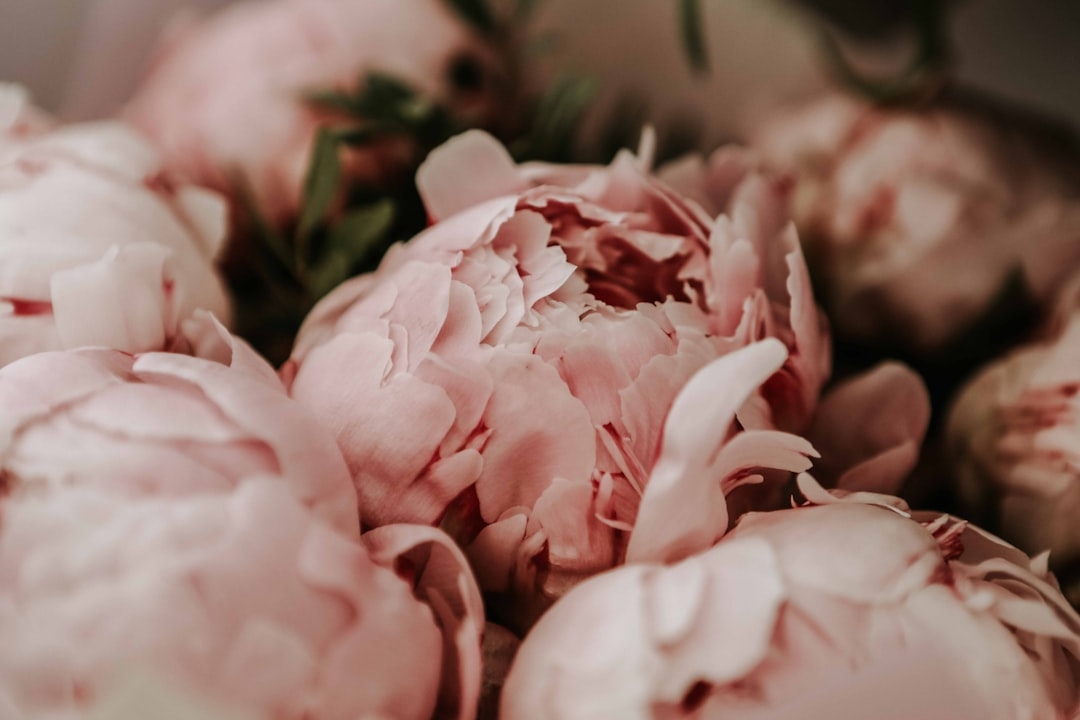
A bouquet of ‘Coral Sunset’ peonies arrives on Monday bright coral-orange and, by Friday, fades to a dreamy ivory. This shifting magic isn’t a florist’s trick–it’s programmed into the petals themselves. Several modern hybrids, especially in the Itoh group, show dramatic color changes as they age.
| Cultivar | Day 1 Color | Day 4 Color |
|---|---|---|
| Coral Sunset | Vivid coral | Soft ivory-peach |
| Bowl of Beauty | Hot pink + cream | Pale blush + white |
| Morning Lilac | Magenta-violet | Soft lavender |
This trait isn’t just a visual treat–florists use these “color shifters” for bouquets that stay as dynamic as a wedding day timeline.
6. Edible Peonies? Yes–But Know Your Source
Peonies have a secret life in the kitchen. While roots and seeds are toxic, petals of some cultivars are safe to eat in moderation, provided they’re grown organically and haven’t been treated with pesticides. Chef Nadia Ortiz, pastry director at Los Angeles’ Flora & Crumb (James Beard-nominated), uses peony petals to garnish cakes and as infusions for syrups and liqueurs.
How Americans Are Eating Peonies in 2026:
- Crystalized for dessert décor.
- Infused in gin or vodka (petal flavor is subtle, floral, and slightly spicy).
- Floated on champagne at micro-weddings.
Always verify your source. Only use petals from US-grown, unsprayed peonies for food or drinks.
7. Peonies Are Surprisingly Tough–And Drought-Tolerant
Despite their luxurious look, peonies can handle real-world neglect. Once established, most herbaceous peonies in USDA Zones 4-8 need only occasional deep watering, even in dry summers. The University of Minnesota’s Peony Research Program notes mature peonies survived multiple years of drought with just monthly supplemental watering.
A few practical tips:
- Plant peony roots no more than 1-2 inches below the soil surface–too deep, and they won’t bloom.
- Avoid heavy mulch, which can trap excess moisture and rot roots.
- Peonies rarely need fertilizer; too much nitrogen = floppy stems.
That resilience adds to their popularity: peonies are one of the easiest perennials for American gardeners to grow–provided you respect their quirks.
FAQ: All About Peonies
What months are peonies in season in the US?
Peonies bloom in most of the US from late April to early June, with some Alaska farms offering fresh peonies in July and August.
How long do peonies last as cut flowers?
Fresh-cut peonies last 5 to 10 days in a vase, depending on the variety and care. For best results, change water daily and recut stems on an angle.
Are peonies expensive compared to other flowers?
Yes, peonies generally cost more than roses or tulips, especially out of season. In 2026, peak-season US peonies sell for $4-$8 per stem wholesale.
Are peonies safe for pets?
Peonies are toxic to cats, dogs, and horses if ingested. Keep bouquets out of reach of curious pets.
Why did my peonies not bloom this year?
Common causes: planted too deep, lacked winter chill, or immature plants. Peonies can take up to three years to bloom after planting.
What’s Next for Peony Lovers?
If you’re craving the perfect peony bouquet, watch for the short, glorious window of American-grown blooms every late spring. Want that magic in your own backyard? Plant a bare-root peony this fall. You might wait a few years for your first flowers, but if history is any guide, they’ll be in your garden–and your family photo albums–for generations. For the ultimate US-grown blooms, connect directly with a specialty peony farm or ask your florist about Alaska or local field-grown peonies for a true, fleeting luxury.
Ready for a new obsession? Try growing an Itoh hybrid–maybe ‘Bartzella’ or ‘Callie’s Memory’–and watch your garden (and Instagram feed) light up.