9 facts you didn’t know about hydrangeas
7 min read
Contents:
- Quick Answers: What’s So Unique About Hydrangeas?
- Hydrangeas Change Color Based on Soil Chemistry
- How It Works
- Native Roots: Hydrangeas Across the Globe
- Not All That Blooms Is a Flower
- Sepals vs. True Flowers
- Hydrangeas: The Science of Long-Lasting Blooms
- Longevity in the Vase
- Hydrangeas and Their Symbolism: From Heartfelt Apologies to Abundance
- Hydrangeas Aren’t (Usually) Pet-Safe
- The Art of Drying Hydrangeas
- How to Dry Hydrangeas at Home
- American-Bred Hydrangea Varieties: Adapted for Your Yard
- Hydrangeas in US Floristry: Sought-After and Stylish
- FAQ: All About Hydrangeas in 2026
- Are hydrangeas poisonous to pets or children?
- How do I change the color of my hydrangeas?
- Which hydrangeas survive best in cold climates?
- How long do cut hydrangeas last in a vase?
- Can hydrangeas be dried for arrangements?
- Try Something New With Hydrangeas This Season
9 Facts You Didn’t Know About Hydrangeas
Anyone who’s seen a hydrangea bush in full bloom remembers the feeling: lush clouds of blue, pink, or white flowers, turning an ordinary sidewalk into something straight out of a fairy tale. But even devoted gardeners and floral fans often don’t realize just how quirky, science-y, and culturally beloved these blooms can be. Hydrangeas aren’t just another pretty face at the flower shop–they’re shape-shifters, symbol-makers, and chemistry experiments waiting to happen.
Quick Answers: What’s So Unique About Hydrangeas?
- Hydrangeas change color based on soil pH–blues in acidic soil, pinks in alkaline.
- They’re native to both North America and Asia, with over 70 distinct species worldwide.
- Hydrangeas can be toxic if ingested by pets or humans.
- The “flowers” are often actually sepals, not petals.
- They’re one of the longest-blooming garden shrubs, often flowering from May to September.
- Certain types, like Hydrangea arborescens ‘Annabelle’, are bred for US climates.
- They symbolize heartfelt emotion and gratitude across cultures.
- Living stems can be revived with a soaking technique called “hydrangea dunking”.
- Dried hydrangeas can last for years if prepared properly.
1. Hydrangeas Change Color Based on Soil Chemistry
One of the most mind-boggling facts about hydrangeas? You can change their flower color without genetics or dyes–just by tinkering with your garden soil.
How It Works
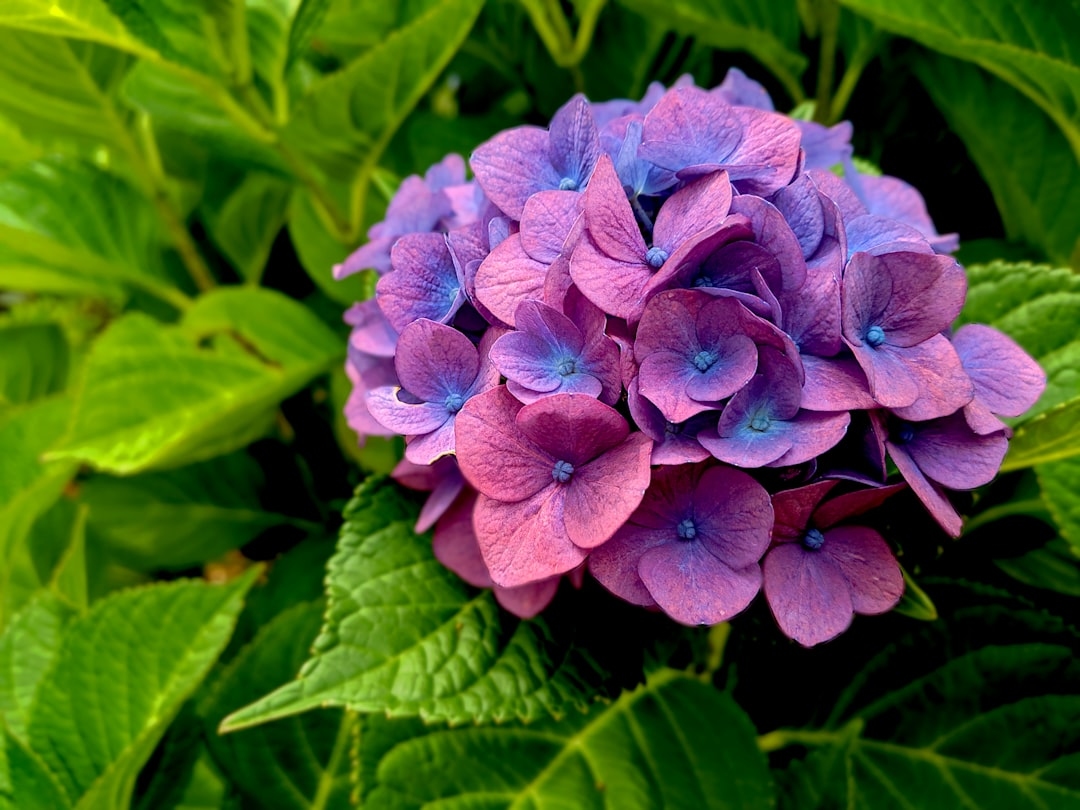
Bigleaf hydrangeas (Hydrangea macrophylla) are the best-known chameleons. Their flowers turn blue in acidic soil (pH below 6) because aluminum in the earth gets unlocked and absorbed by the plant. When the soil is more alkaline (pH above 7), the aluminum stays unavailable, and the flowers shift pink. Adjusting your soil can literally “paint” your plant’s flowers year to year.
Simple Hydrangea Color Chart
| Soil pH | Aluminum Available? | Flower Color |
|---|---|---|
| 5.0 – 5.5 | Yes | Blue to Violet |
| 6.0 – 6.9 | Variable | Purple |
| 7.0+ | No | Pink to Red |
“It’s one of the rare flowers where your garden’s chemistry shapes the final look–nature’s mood ring,” says Sara Delgado, horticulturist at GardenWorks USA.
TIP: Adding garden lime raises pH (for pinks), while aluminum sulfate lowers pH (for blues). Both are available at Home Depot, Lowe’s, or your local nursery.
2. Native Roots: Hydrangeas Across the Globe
While hydrangeas are a garden staple in the US, their origins stretch from North America to Asia.
- The classic “mophead” and “lacecap” types trace back to Japan and China.
- The stately Hydrangea arborescens (like the beloved ‘Annabelle’) is native to the eastern US, from New York to Florida.
- Oakleaf hydrangeas (Hydrangea quercifolia), with their dramatic leaves and snowy blooms, are native to the American Southeast.
Hydrangeas have been cultivated in Japan for over 1,200 years, and play central roles in their June hydrangea festivals (Ajisai Matsuri). In the US, they gained major popularity as landscape shrubs and cut flowers after WWII.
3. Not All That Blooms Is a Flower
You might think hydrangeas offer a thick cluster of petals. Not quite! Most of what looks like “petals” are actually modified leaves, called sepals.
Sepals vs. True Flowers
- Showy “petals” = sepals, evolved for attracting pollinators.
- True flowers = the tiny, often nondescript florets in the middle.
This explains why hydrangea “flowers” can last so long–they’re sturdier than petals and less prone to wilting.
“Look closely at a mophead hydrangea: most of the drama is from sepals, not flowers. It’s a genius bit of evolution,” notes Leslie Tran, florist and owner of Brooklyn’s Hidden Petal Studio.
4. Hydrangeas: The Science of Long-Lasting Blooms
Hydrangeas are marathon bloomers. In much of the US, you’ll see them flowering from early May all the way into September.
- Bigleaf types: Peak from June to August.
- Oakleaf and panicle varieties: Start as early as May and can keep going until September.
Longevity in the Vase
Properly conditioned, hydrangeas can last 7-14 days as cut flowers, making them a top pick for flower delivery services like UrbanStems or Bouqs. Their woody stems need extra care: cutting at an angle and splitting the stems help the blooms drink up water.
Fun Fact: Wilting cut hydrangeas can often be revived by submerging the entire flower head in cool water for 30-45 minutes–a trick called “dunking”. It works almost like CPR for flowers.
5. Hydrangeas and Their Symbolism: From Heartfelt Apologies to Abundance
Hydrangeas carry intertwined meanings in different cultures.
- In Japan, blue hydrangeas symbolize apology, gratitude, and understanding. Pink ones are sometimes linked to passionate emotion.
- In the US and Europe, the flowers often signify abundance, humility, or heartfelt emotion, thanks to their exuberant, full blooms.
“Few flowers say ‘thank you’ or ‘I’m sorry’ as visually as a big, honest bunch of hydrangeas,” says Aimee Larson, lead designer at Blossom & Vine in Chicago.
6. Hydrangeas Aren’t (Usually) Pet-Safe
Hydrangeas pack a surprise: almost every part of the plant contains a compound called hydrangin (a form of cyanogenic glycoside). If your dog or cat chews on the leaves or flowers, it can cause mild to moderate stomach upset–sometimes worse.
- ASPCA has labeled hydrangeas as toxic to pets–symptoms include vomiting, lethargy, or diarrhea.
- For humans, accidental ingestion (especially by kids) can cause similar symptoms, though poisoning is rare.
If you’re using hydrangeas in arrangements at home, keep them out of nosy paws’ and toddlers’ reach.
7. The Art of Drying Hydrangeas
Fresh hydrangeas are show-stoppers, but their beauty doesn’t have to be fleeting. Dried hydrangeas hold up for years and keep their color stunningly well.
How to Dry Hydrangeas at Home
- Wait until blooms feel papery on the shrub.
- Snip with stems at least 12 inches long.
- Strip leaves and arrange in a vase with no water, out of direct sun.
- Let air-dry for 2-3 weeks.
Pro tip: Certain varieties (especially panicle types) dry more reliably and retain brighter colors.
8. American-Bred Hydrangea Varieties: Adapted for Your Yard
Not all hydrangeas survive US winters (or blazing southern summers). American breeders have developed tough, spectacular varieties for local climates.
- ‘Annabelle’ (arborescens): Enormous, cloudlike white heads, hardy to USDA Zone 3. Retail price $25-$40 at big-box garden centers.
- ‘Limelight’ (paniculata): Chartreuse-tinged blooms, thrives in Northern states.
- ‘Endless Summer’ (macrophylla): Reblooming type, tolerates both cold and heat, available nationally since 2004.
“US gardeners can thank decades of work by breeders for hydrangeas that don’t just survive here, but thrive–and rebloom,” explains Dr. Mike Zhang, hydrangea specialist at the University of Georgia’s Center for Applied Floriculture.
9. Hydrangeas in US Floristry: Sought-After and Stylish
Hydrangeas have soared in popularity with professional florists and home arrangers alike.
- According to the Society of American Florists, hydrangeas ranked in the top 5 most-ordered stems for weddings and events in 2025 and 2026.
- Blame their lush volume and long vase life: a single hydrangea stem can fill a centerpiece, making them surprisingly budget-friendly (average $4-$7 per stem from US wholesalers).
- They’re now frequently featured in subscriptions from The Bouqs Co., UrbanStems, and Farmgirl Flowers.
“Modern floristry would look very, very different without hydrangeas. They’re the backbone of so many designs,” says Jackson Miller, Creative Director at LA’s Stem & Style.
FAQ: All About Hydrangeas in 2026
Are hydrangeas poisonous to pets or children?
Yes, hydrangeas contain compounds that can be toxic to dogs, cats, and humans if ingested. Symptoms include stomach upset, vomiting, and diarrhea. Always keep hydrangeas out of reach of pets and small children.
How do I change the color of my hydrangeas?
For bigleaf hydrangeas, adjust your soil pH. Add aluminum sulfate to make flowers blue (acidic soil), or garden lime to turn them pink (alkaline soil). Test soil pH before making changes, and check your variety–some types don’t change color.
Which hydrangeas survive best in cold climates?
American-bred varieties like Hydrangea arborescens ‘Annabelle’ and panicle hydrangeas (‘Limelight’, ‘Pinky Winky’) are the most cold-hardy, thriving in USDA Zones 3-8.
How long do cut hydrangeas last in a vase?
With proper care–cutting stems at an angle, splitting stems, changing water daily–cut hydrangeas can last 7-14 days. If they wilt, try soaking the heads in cool water for 30-45 minutes to revive them.
Can hydrangeas be dried for arrangements?
Yes. Cut blooms when papery, strip leaves, and let air-dry upright for 2-3 weeks. Dried hydrangeas hold their shape and color for up to a year or more with minimal care.
Try Something New With Hydrangeas This Season
You know the science. You know their secret tricks, and how to keep them at their best. This year, why not experiment? Tweak your soil, mix native and Asian varieties, or try drying a few stems after summer’s peak bloom. Stop by your local nursery or favorite US flower delivery service and see which cultivars are trending in 2026–hydrangeas always have a fresh surprise up their sleeve.