9 facts you didn’t know about scabiosa
6 min read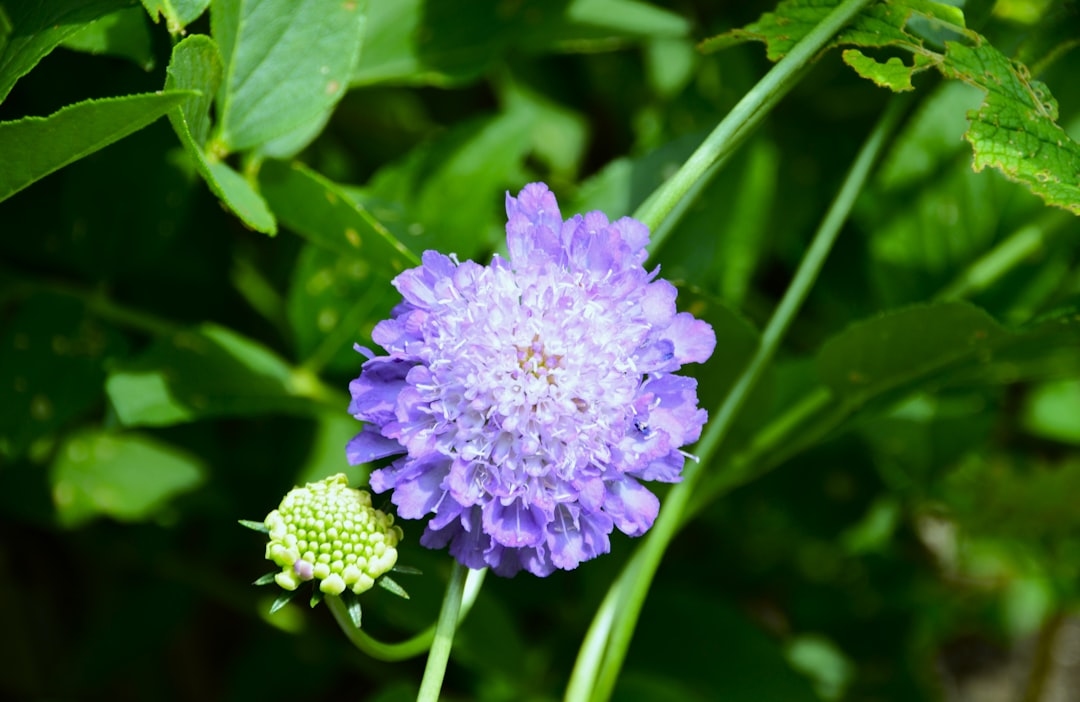
Contents:
- What Makes Scabiosa Unique? (Quick Answer)
- Scabiosa’s Origin: Ancient Medicinal Roots
- A Color Palette That Defies Expectations
- Scabiosa’s Secret Weapon: Vase Life and Scent
- Scabiosa Loves Pollinators–and They Love Back
- Top Pollinator-Friendly Scabiosa Varieties
- Easy to Grow (and Surprisingly Hardy)
- Floristry’s Textural Hero
- How Florists Use Scabiosa
- Scabiosa Pods: Decor That Lasts All Year
- More Than Just a Flower: Symbolism and Meaning
- Scabiosa’s Role in Modern American Floriculture
- FAQs About Scabiosa
- What is Scabiosa commonly called?
- How long does scabiosa last as a cut flower?
- Are scabiosa flowers deer-resistant?
- Can you grow scabiosa from seed?
- Is scabiosa safe for pets?
9 Facts You Didn’t Know About Scabiosa
Picture a flower that looks like a magical pincushion–soft, frilled petals, a lacy dome, and a texture you can’t resist touching. That beautiful bloom is Scabiosa, a favorite of florists, gardeners, and bumblebees alike. Nicknamed the “pincushion flower,” scabiosa is as quirky as it is beloved. Most folks recognize it as a handy accent in trendy bouquets from Bouqs Co., UrbanStems, or even Whole Foods’ floral department, but scabiosa has a rich, surprising story.
If you thought all flowers in a vase are created equal, prepare to see scabiosa in a whole new light.
What Makes Scabiosa Unique? (Quick Answer)
Scabiosa stands out in the flower world for its whimsical, pincushion-like blooms, incredible variety of colors–including near-black, lilac, blush, and blue–and an elegant yet wild vibe that elevates bouquets. This flower is not only prized for its long vase life but also for being a pollinator magnet and a reliable performer in most U.S. gardens (USDA Zones 3-9).
1. Scabiosa’s Origin: Ancient Medicinal Roots
Scabiosa isn’t just a pretty face. The name itself comes from the Latin “scabies,” referring to ancient uses treating skin ailments like scabies and sores. Long before Trader Joe’s made scabiosa a $6.99 staple in their spring buckets, medieval herbalists grew these flowers for their supposed healing properties.
“Scabiosa was a go-to in old European cottage gardens–not just for looks, but as an all-purpose remedy,” says Dr. Emily Cartwright, horticultural historian (PhD, University of Illinois, 2021).
Today, of course, scabiosa serves mostly as eye candy for bouquets and beds. But knowing its medicinal past gives it an added layer of charm.
2. A Color Palette That Defies Expectations
Think all scabiosa are powder-blue or delicate white? Think again. In the last decade, breeders have introduced varieties like ‘Black Knight’ (a moody, velvety near-black), ‘Fata Morgana’ (buttery salmon), and ‘Butterfly Blue’ (iconic powder blue). American growers like Ball Horticultural and Harris Seeds offer bulk packs so florists can create sunset ombrés or goth-glam bouquets.
Scabiosa Varieties Compared
| Variety | Flower Color | Stem Length | Best Use |
|---|---|---|---|
| Black Knight | Deep maroon/black | 18-24 in. | Edgy bouquets, contrast |
| Butterfly Blue | Lavender-blue | 18-24 in. | Wedding, cottage style |
| Fama White | Crisp white | 24-30 in. | Formal, bridal |
| Fata Morgana | Peachy blush | 18-22 in. | Summer arrangements |
Dark scabiosa pops against wedding whites, peachy tones bring a sunny mood to wildflower bundles, and blue varieties remain crowd-pleasers at Whole Foods and local farmers markets.
3. Scabiosa’s Secret Weapon: Vase Life and Scent
Here’s a florist’s secret: scabiosa isn’t just pretty, it’s practical. Freshly cut stems (especially of ‘Fama’ series) last about 7-10 days, outlasting the average supermarket tulip or daisy by several days. That makes them a go-to for American flower delivery services like 1-800-Flowers and Farmgirl Flowers, who want blooms to arrive perky–not droopy.
And while scabiosa isn’t powerfully fragrant, certain varieties (“Black Knight” and “Snow Maiden”) give off a faint, honeyed scent. It’s subtle, but enough to catch a guest’s attention at a dinner party.
4. Scabiosa Loves Pollinators–and They Love Back
Move over, zinnias. Bees, butterflies, and even hoverflies can’t resist scabiosa’s buffet of nectar. According to a 2025 Rutgers University study, gardens with scabiosa attract up to 47% more bees during peak bloom than similar plots without it. Insect photographer and gardener Alyssa Green notes, “Planting ‘Butterfly Blue’ in my New Jersey beds transformed my garden into pollinator central. Even monarchs made a stopover.”
Top Pollinator-Friendly Scabiosa Varieties
- Butterfly Blue
- Pink Mist
- Oxford Blue
- Chile Black
Adding scabiosa isn’t just trendy–it really does support local ecosystems.
5. Easy to Grow (and Surprisingly Hardy)
New gardeners often think scabiosa is fussy due to its delicate look. Not so. Most scabiosa thrive in USDA Zones 3-9, handling Midwest winters and Southern summers with minimal fuss. The perennial types (like Scabiosa caucasica) return year after year, provided they have well-drained soil and about 6 hours of sun.
“In the US, scabiosa is among the most forgiving cut flowers for home growers,” says Lisa Romero, head grower at Petal Pushers Farm, Ohio. “Just avoid waterlogged soil, and they’ll reward you with months of blooms.”
That said, some annual types like Scabiosa atropurpurea are ideal for succession sowing–plant a new batch every 3-4 weeks for a constant supply from May through October.
6. Floristry’s Textural Hero
Next time you scroll through Instagram and spot a wild-yet-elegant bouquet–think Bashful Petal or East Olivia-chances are, there’s a few stems of scabiosa in the mix. The flower has a unique quality: airy but sculptural. Its domed head adds texture without crowding arrangements. The stems are flexible enough to “dance” in bouquets, making them a favorite for freeform, “just-gathered” looks.
How Florists Use Scabiosa
- As a soft accent in formal bouquets
- To “break up” dense roses and ranunculus
- In monochrome arrangements (Black Knight + white anemones = drama)
- Paired with wild greens for a meadow vibe
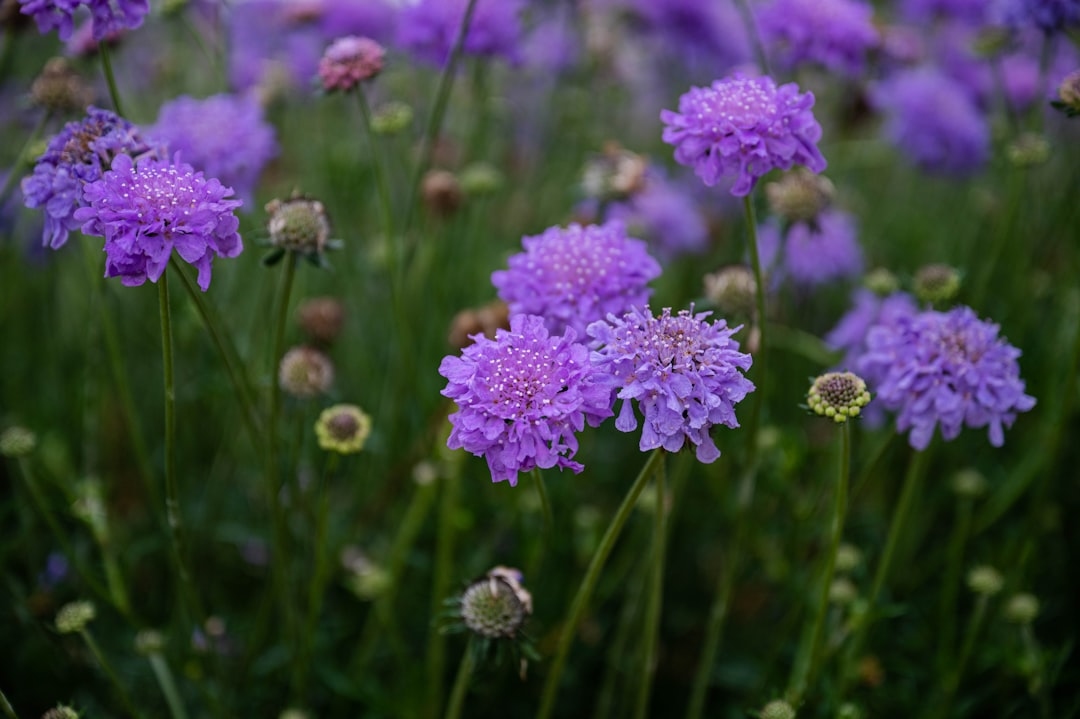
Scabiosa pods (the seed heads) are also coveted for dried bouquets and winter arrangements, retailing at $8-$12 per bunch in 2026 at US floral supply shops.
7. Scabiosa Pods: Decor That Lasts All Year
After blooming, scabiosa leaves behind a distinctive seed pod–like a geometric, papery orb. These pods have become a darling in sustainable floristry. Dried scabiosa pods hold up for months (even years), holding their shape and soft tan color. This helps US florists, who’ve seen dried flower demand spike 37% since 2022 (National Floral Trends Report, 2025).
How to use scabiosa pods:
- Add to dried bouquets or wreaths
- Accent boutonnieres for a rustic twist
- Use as holiday décor (they look stunning sprayed gold)
8. More Than Just a Flower: Symbolism and Meaning
In the Victorian language of flowers, scabiosa meant “unfortunate love”–a moody touch to an otherwise cheerful bloom. Today, it’s more often associated with peace, beauty, and “joy after hardship,” according to floral designer Tomás Vidal (Brooklyn, NY).
“Scabiosa tells a story–about resilience, playfulness, and grace,” Vidal says. “That’s why brides request it for weddings marking new beginnings.”
9. Scabiosa’s Role in Modern American Floriculture
Scabiosa isn’t just a darling of home gardens and boutique florists. According to the USDA’s 2026 Floricultural Crops Summary, over 500,000 bunches of scabiosa were sold wholesale in the US in 2025, up 19% from 2022. American flower farms–especially in California and the Pacific Northwest–grow scabiosa both outdoors and in protected high tunnel systems.
Delivery services like UrbanStems increasingly list scabiosa as a “premium accent” for trendy bouquets, usually adding $8-$12 per arrangement compared to standard filler greens.
FAQs About Scabiosa
What is Scabiosa commonly called?
Scabiosa is most often called the “pincushion flower” because of its rounded, tufted bloom that resembles a sewing pincushion.
How long does scabiosa last as a cut flower?
Scabiosa typically lasts 7-10 days in a vase, especially if stems are recut and water is changed every 2-3 days.
Are scabiosa flowers deer-resistant?
Yes, scabiosa is generally deer-resistant thanks to its slightly bitter leaves, making it a smart choice for gardens in areas with browsing deer.
Can you grow scabiosa from seed?
Absolutely. Scabiosa atropurpurea (annual) and Scabiosa caucasica (perennial) both germinate easily from seed. Start indoors 6-8 weeks before your last frost or direct sow once soil warms in spring.
Is scabiosa safe for pets?
Scabiosa is not known to be toxic to dogs or cats, but always check the ASPCA database and keep curious pets from nibbling.
If you’ve only admired scabiosa at a flower shop, try planting it yourself this season–or ask your local florist for a custom bouquet featuring ‘Black Knight’ or ‘Butterfly Blue’. You’ll discover this flower’s playful elegance, resilience, and the subtle magic it brings to any setting. Whether you grow, gift, or simply enjoy scabiosa, you’re now in on what makes it one of floristry’s most delightful surprises.