Edible flowers for kids – safe varieties guide
6 min read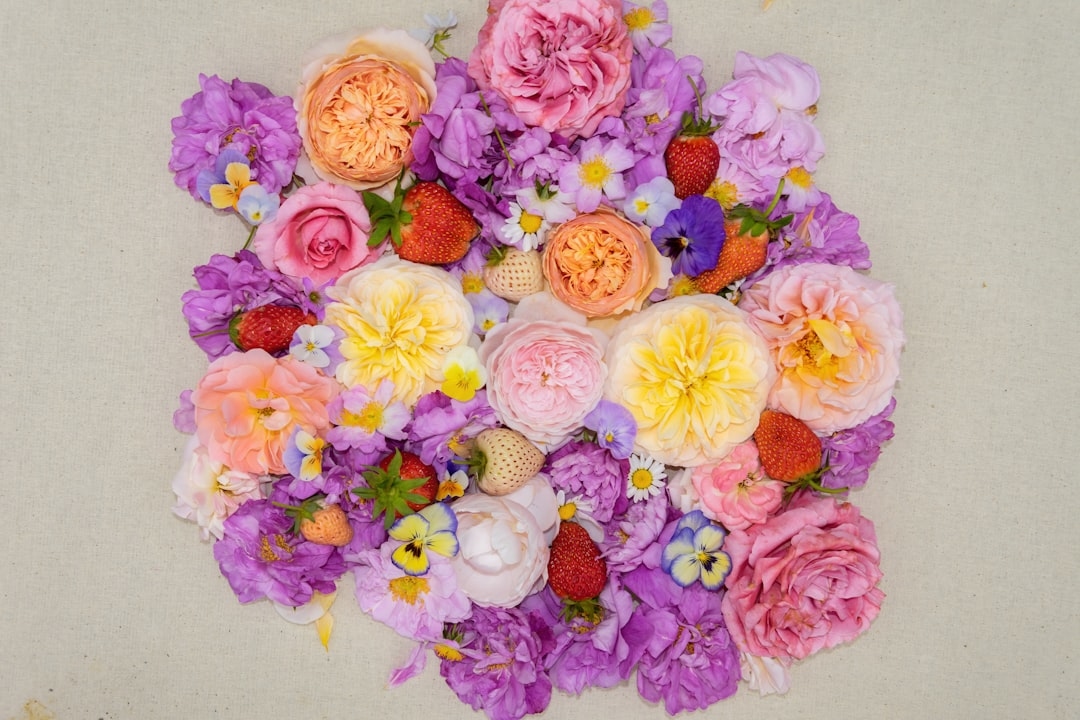
Contents:
- Which Edible Flowers Are Safe for Kids? (Direct Answer)
- Why Feed Edible Flowers to Kids?
- How to Introduce Edible Flowers to Kids
- Start Small and Keep It Fun
- Safety Steps for Parents
- Common Edible Flowers–Kid-Safe Varieties with Details
- Edible Flowers to Avoid with Children
- Where to Buy Edible Flowers in the US
- Fun Ways Kids Can Enjoy Edible Flowers
- Special Cautions: Allergies & Sensitivities
- Edible Flowers for Kids: FAQs
- What’s the best edible flower for picky eaters?
- Are all marigolds safe to eat?
- How do I store edible flowers for kids?
- Can I use flowers from a regular florist or bouquet?
- What if my child eats an unknown flower?
- Ready for Edible Flower Fun? Next Steps
Edible Flowers for Kids: Safe Varieties Guide
Imagine your child’s face lighting up as they eat a salad sprinkled with bright marigold petals, or sipping lemonade garnished with a real violet. Edible flowers aren’t just a chef’s secret–they’re a simple, magical way parents and caregivers can introduce kids to nature, new flavors, and hands-on fun in the kitchen. But not every pretty bloom is safe for little tummies. Knowing which flowers are kid-friendly is where this guide comes in.
Which Edible Flowers Are Safe for Kids? (Direct Answer)
These are the top edible flowers widely recognized as safe for children in the US:
- Nasturtium: Peppery taste, vibrant colors, easy to grow.
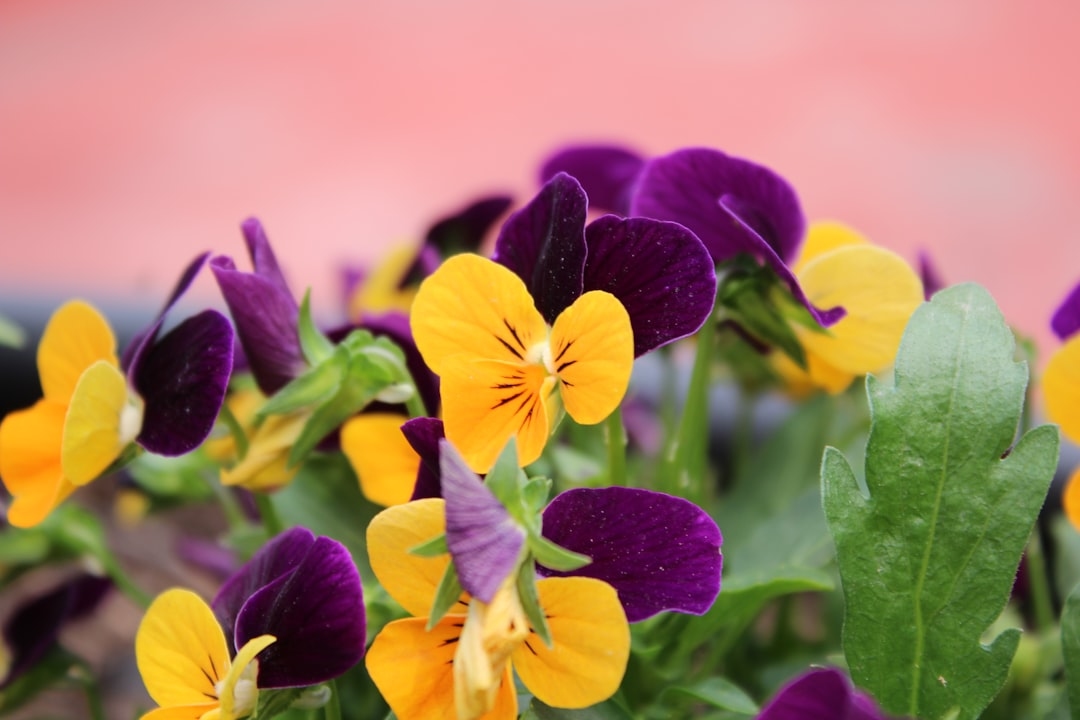
- Pansies (Violas): Mild, fresh flavor; lots of color options.
- Calendula (Marigold): Bright yellow/orange petals, slightly spicy.
- Borage: Star-shaped blue blossoms with a subtle cucumber flavor.
- Chive Blossoms: Mild onion taste, pretty purple clusters.
- Squash Blossoms: Mild, slightly sweet; can be eaten raw or cooked.
- Rose Petals: Only unsprayed, organically grown–sweet, fragrant.
- Chamomile: Apple-like flavor; safe in small amounts (not for those with ragweed allergies).
- Violets: Sweet, tender, classic for desserts.
Always use organically grown flowers–never eat anything from florists, roadsides, or those treated with chemicals.
Why Feed Edible Flowers to Kids?
Edible flowers aren’t just for fancy foodies. They’re a simple way to:
- Encourage adventurous eating in picky kids.
- Add vitamins–flowers like calendula contain antioxidants and beta-carotene.
- Make healthy foods more appealing (think: real flower “sprinkles”).
- Teach gardening, science, and safe plant ID.
Dr. Lisa Nguyen, a pediatric nutritionist based in Chicago, explains, “Introducing edible flowers to children’s diets sparks curiosity about new foods and encourages lifelong healthy eating habits. Just be sure to use flowers you’ve positively identified as edible and safe–never experiment without checking.”
How to Introduce Edible Flowers to Kids
Start Small and Keep It Fun
- Taste Test: Begin with one type, like nasturtium, let kids smell, touch, and nibble a bit with you.
- Flower Garnishes: Add a few petals to cupcakes or fruit salad for hands-on decorating.
- Garden to Table: Grow easy varieties in pots–nasturtium, violets, or borage are perfect for children’s gardens.
Safety Steps for Parents
- Only serve flowers you’ve grown yourself or that are clearly labeled “edible” from reputable sources (try Johnny’s Selected Seeds or Baker Creek Heirloom Seeds).
- Wash blooms thoroughly.
- Remove tough bases, stamens, and pistils (these can be bitter or hard to chew).
- Start with small amounts–some kids are sensitive to new foods.
“The key is supervision and positive identification. If you’re not 100% sure it’s safe, don’t serve it,” advises Marcia Gilbert, Master Gardener and owner of Little Sprouts Floristry in Seattle.
Common Edible Flowers–Kid-Safe Varieties with Details
Here’s a comparison of popular edible flowers for kids:
| Flower | Color(s) | Flavor | Best Use | Special Notes |
|---|---|---|---|---|
| Nasturtium | Red, orange, yellow | Peppery, mild | Salads, sandwiches | Leaves are edible too |
| Pansy/Viola | Purple, yellow, white | Mild, lightly sweet | Cupcakes, ice cream | Avoid those treated with pesticides |
| Calendula | Yellow, orange | Slightly spicy | Rice, soup, salad garnish | Known as “poor man’s saffron” |
| Borage | Blue | Cucumbery | Lemonade, frozen desserts | Adds fun star shape–good for decorations |
| Chive Blossoms | Purple | Mild onion | Omelets, savory muffins | Grows well in US zones 3-9 |
| Rose Petals | Pink, red, white | Sweet, floral | Jellies, yogurt | Remove bitter white base, avoid florist roses (pesticides/chemicals) |
| Violets | Blue, purple | Sweet, tender | Sugared flowers, salads | Wild violets are edible, but beware of African violets (not edible) |
Edible Flowers to Avoid with Children
Some flowers commonly found in gardens and bouquets are TOXIC if ingested. These include:
- Foxglove
- Oleander
- Lily of the Valley
- Hydrangea
- Azalea
- Daffodils
- Buttercups
- Morning Glory
Teach kids never to eat any flower unless you (the adult) have confirmed it’s safe.
Where to Buy Edible Flowers in the US
- Farmer’s Markets: Many local vendors sell edible blossoms March-September. Ask about growing methods.
- Online Specialty Growers: Try Gourmet Sweet Botanicals or Marx Foods (shipping across the continental US; expect to pay $15-$25 for a mixed sampler box in 2026).
- Grow Your Own: Seed packets cost $3-$6 at garden centers or online (Burpee, Botanical Interests).
- Supermarkets: Look for edible flower mixes near herbs or in the produce section at Whole Foods and some Safeway locations.
“For guaranteed safety, I recommend growing your own flowers from seed with organic soil–kids love the whole process, from planting to eating,” says Hugo Ramirez, horticulturist at Edible Eden Garden School in Austin.
Fun Ways Kids Can Enjoy Edible Flowers
- Flower Ice Cubes: Freeze pansy petals or borage flowers in ice trays for summer drinks.
- Petal Popsicles: Add chopped calendula or violets into homemade fruit pops.
- Edible Art: Use soft flower petals to “paint” designs on toast with cream cheese.
- Flower Sugaring: Dip violets in a bit of egg white, dust with sugar, and let dry for sparkling treat toppers.
Special Cautions: Allergies & Sensitivities
- Some kids can react to certain flowers–especially if they have hay fever, pollen, or ragweed allergies. Start with tiny portions and supervise.
- Avoid if pregnant or breastfeeding: Some flowers (like chamomile, lavender) can have mild effects–stick with the child-only list above.
- Call your pediatrician if unsure, or if a child experiences swelling, rash, or stomach pain after eating any flower.
Edible Flowers for Kids: FAQs
What’s the best edible flower for picky eaters?
Pansies (violas) and violets are top picks–both are very mild in flavor and come in eye-catching colors that kids love. Try adding just a few petals to familiar foods like cupcakes or yogurt.
Are all marigolds safe to eat?
Calendula (also called “pot marigold”) is the edible variety. French and African marigolds (Tagetes species) are NOT recommended for eating, as they can be bitter or cause stomach upset.
How do I store edible flowers for kids?
Store fresh edible flowers in the refrigerator, either wrapped in a damp paper towel or inside a sealed container. Use within 2-3 days for best quality and flavor.
Can I use flowers from a regular florist or bouquet?
No–florist flowers are often treated with pesticides, preservatives, and dyes that are not food safe. Only use organically grown, edible flowers meant for consumption.
What if my child eats an unknown flower?
If your child eats a flower you can’t identify, call Poison Control (1-800-222-1222 in the US) right away. Don’t wait for symptoms to appear.
Ready for Edible Flower Fun? Next Steps
Pick one or two easy, kid-friendly varieties–nasturtiums are a great “starter flower”–and plant them together with your child this season. You’ll not only brighten up your garden but also spark curiosity, healthy habits, and the simple wonder of eating actual flowers. Safe, beautiful, and delicious: edible flowers for kids turn everyday meals into something special. Time to get planting–and tasting!