How vibration damages cut flower stems
6 min read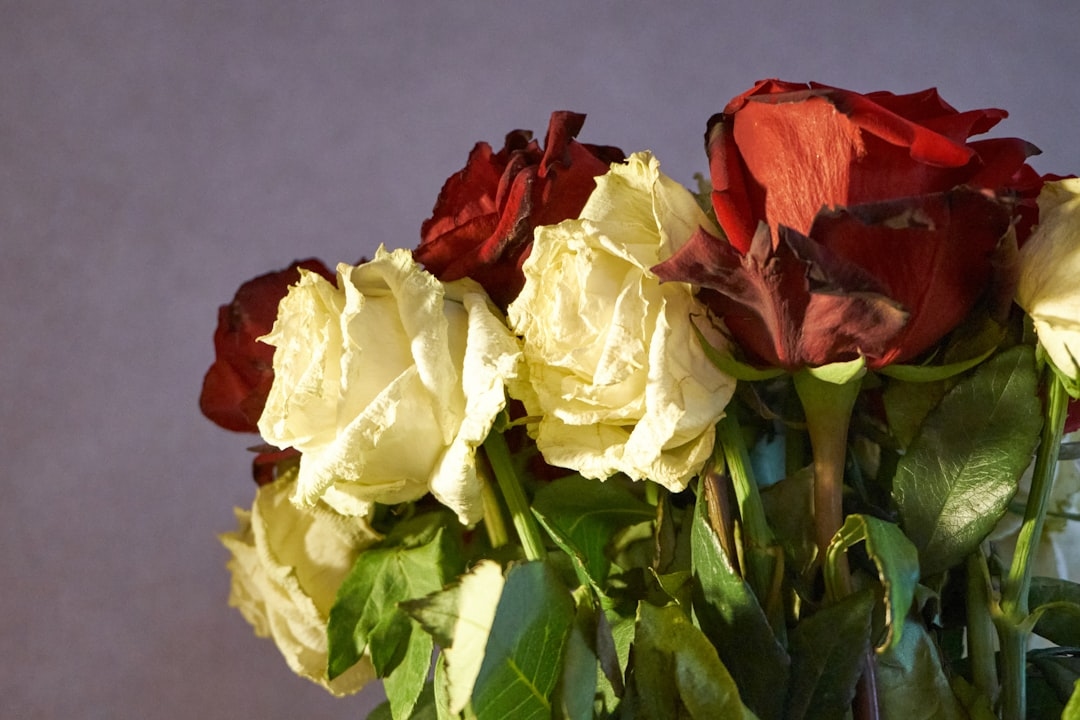
Contents:
- Quick Answer: How Vibration Damages Cut Flower Stems
- The Science: Why Flower Stems Are Sensitive to Vibration
- Microtrauma: The Hidden Injury
- The Real-World Impact: What Florists See
- Noticeable Symptoms After Vibration:
- Vibration vs. Other Transport Challenges: A Comparison
- How Vibration Damages Cut Flower Stems During Shipping
- Box-Packing Woes
- In-Transit Shocks
- Air vs. Ground Shipping
- Strategies for Florists and Distributors to Prevent Vibration Damage
- Improved Packaging
- Temperature Management
- Quick Hydration Upon Arrival
- Transport Upgrades
- Inventory Practices
- A Florist’s Checklist: Reducing Vibration Losses
- Pull-Quote
- FAQ: Flower Vibration Damage
- What causes vibration damage in cut flowers?
- Which flowers are most sensitive to vibration?
- How can florists tell if flowers suffered from vibration?
- Can vibration-damaged flowers be saved?
- Do US flower delivery services account for vibration?
- Looking Ahead: Making Vibrations Work for–Not Against–Floristry
How Vibration Damages Cut Flower Stems
A truck full of cut peonies, jostling over the I-95, loses a hidden battle. By the time those blooms reach a flower shop in Philadelphia, many will droop before ever meeting a vase. The culprit? Not just heat or time–it’s vibration. A force you can’t see, but one that quietly sabotages bouquets from farm to florist.
Quick Answer: How Vibration Damages Cut Flower Stems
Vibration during transport or handling causes microscopic cracks and bruises in the cell walls of cut flower stems. This damage disrupts water uptake, accelerates wilting, and can trigger bacterial growth. The result: shortened vase life, rapid stem collapse, and unhappy customers–often within 12-48 hours of display.
The Science: Why Flower Stems Are Sensitive to Vibration
Flower stems aren’t just hollow pipes. They’re living tissue, filled with delicate xylem and phloem cells that move water and nutrients. When cut flowers experience vibration–think bumpy roads, conveyor belts, or even clumsy unpacking–those cells get stressed or actually torn apart.
“Even moderate vibration (as low as 2 Hz for an hour) can halve the vase life of sensitive varieties like tulips or snapdragons,” says Dr. Marissa Yoon, plant physiologist at UC Davis (2025).
Microtrauma: The Hidden Injury
- Cell rupture: Microscopic cracks allow bacteria to invade.
- Air embolisms: Vibration can introduce tiny air bubbles into xylem vessels, blocking water uptake.
- Hormonal signals: Damaged cells may release ethylene, a plant hormone that speeds up aging and decay.
Despite looking fine immediately after transport, stems may struggle with water intake and suddenly wilt 1-2 days later–a phenomenon called “stem collapse.”
The Real-World Impact: What Florists See
Florists across the US report higher rejection rates for flowers shipped long distances by truck, especially in summer. According to the Society of American Florists (2026 survey), nearly 28% of stem losses in retail shops are linked to transport stress–not disease or dehydration.
Noticeable Symptoms After Vibration:
- Bent neck (classic in roses)
- Rapid yellowing
- Premature petal drop
- Cloudy vase water (from accelerated bacterial growth)
Florists using large-scale US distributors like Mayesh or Florabundance often see these issues with imported flowers from Ecuador or California, even when stems arrive “chilled and hydrated.” Vibration damage is subtle, but costly: a midsize florist may lose $200-$400 per month in unsaleable product, according to Atlanta-based designer Shira Vollan, AIFD.
Vibration vs. Other Transport Challenges: A Comparison
| Problem | Immediate Effect | Long-Term Effect | Common Culprits |
|---|---|---|---|
| Heat | Wilting, scorch | Slow flower opening, discoloration | Summer shipping, sun |
| Dehydration | Limp stems, shriveled buds | Permanent droop, poor vase life | Delayed hydration |
| Vibration | Stem bruising (invisible) | Sudden collapse, bacterial outbreaks | Road, conveyor, air cargo |
| Ethylene gas | Petal drop, yellowing | Premature aging | Other produce nearby |
A florist in Denver might blame heat when imported garden roses “go limp”–but if temperature was controlled, vibration is the likely invisible enemy.
How Vibration Damages Cut Flower Stems During Shipping
Cut flowers can travel thousands of miles before reaching a US floral shop. Every turn, pothole, or package shuffle adds tiny trauma. Here’s exactly how:
Box-Packing Woes
- Loose packing: Flowers jostle, increasing stem impact.
- Overstacked boxes: Weight pressurizes stems, amplifying vibration severity.
In-Transit Shocks
A 2024 study by the American Floral Endowment tracked vibration levels in typical shipments from Miami to Dallas:
- Average truck vibration: 2-5 Hertz, peaking at 12 Hertz during rough routes
- Stems vibrated at >4 Hertz: Showed 30-60% higher rates of stem blockages (air embolism) and bruising
Air vs. Ground Shipping
Air freight has rapid acceleration and deceleration–but US ground transport is rougher for stems, especially on regional roads. Large US wholesalers like FiftyFlowers recommend “minimal handoffs and padded packaging” for this reason.
Strategies for Florists and Distributors to Prevent Vibration Damage
American florists and shippers take vibration seriously, especially for high-value stems (peonies, ranunculus, garden roses). Here are proven tactics for the US market:
1. Improved Packaging
- Foam or paper wraps: Used by FTD and Teleflora for delicate stems.
- Divider inserts: Prevents bunches from hitting each other.
- Tight stacking: Limits movement, but not so tight as to crush.

2. Temperature Management
Cooled stems are less susceptible to vibration-related water loss. Chilling also reduces ethylene response.
3. Quick Hydration Upon Arrival
“Recutting stems underwater and immediate rehydration can reverse some vibration damage if done within six hours of arrival,” advises Karen Ellis, lead designer at Flowers by Karen, Seattle.
4. Transport Upgrades
- GPS-tracked vehicles with air-ride suspension (used by major US wholesalers)
- Route planning to avoid bumpy roads where possible
5. Inventory Practices
Prioritize newly arrived, high-risk varieties for display; use older stock for event work or specials.
A Florist’s Checklist: Reducing Vibration Losses
- Inspect stems for subtle bruising, especially on roses and tulips.
- Use hydration solutions (e.g., Chrysal Professional #2, $27/gallon).
- Cut stems at an angle under running water, not in air.
- Avoid handling boxes roughly or dropping buckets.
- Ask your wholesaler about their transport methods–don’t be shy!
“The difference between a flower that lasts four days and one that lasts ten often comes down to its unseen journey,” says florist Joshua Kim, owner of Brooklyn’s Wildflower & Co.
Pull-Quote
“You can’t see vibration damage in the box, but you’ll see it fast in the vase.”
– Amelia Wrighton, Certified Floral Designer (CFD), Boston
FAQ: Flower Vibration Damage
What causes vibration damage in cut flowers?
Vibration damage occurs when stems are exposed to shaking, jolting, or repetitive movement during shipping or handling. The stress causes micro-cracks in stem tissue, blocking water flow and encouraging bacteria, which rapidly shortens vase life.
Which flowers are most sensitive to vibration?
Roses, tulips, snapdragons, and peonies are among the most vulnerable to vibration. Their stems and xylem tissues are particularly fragile, making them susceptible to “bent neck” and sudden wilting after transport.
How can florists tell if flowers suffered from vibration?
Symptoms include unexpected stem bending, early wilting, blocked water uptake, and cloudy vase water despite fresh-looking petals. Often, flowers collapse 12-48 hours after display.
Can vibration-damaged flowers be saved?
Quickly recutting stems and hydrating them in a clean vase solution can help, but severe damage is usually irreversible. Prevention during transport is more effective than treatment after arrival.
Do US flower delivery services account for vibration?
Major US services like Teleflora and The Bouqs Co. use specialized packaging, cold-chain shipping, and direct-to-door logistics. However, smaller services or long-distance shipments may still expose flowers to damaging vibration.
Looking Ahead: Making Vibrations Work for–Not Against–Floristry
Vibration is one of floristry’s stealthiest saboteurs. But as more American wholesalers and logistics companies invest in smarter packing, air-ride trucks, and even data-tracking sensors, the vase life of US flowers will keep improving. For florists and DIY flower lovers alike, asking about transport and supporting suppliers who invest in quality shipping isn’t just smart–it’s a guarantee of longer-lasting blooms. Next time you receive a bouquet, remember: its journey mattered as much as its beauty.