Understanding the Difference Between Short-Stemmed and Long-Stemmed Roses
19 min read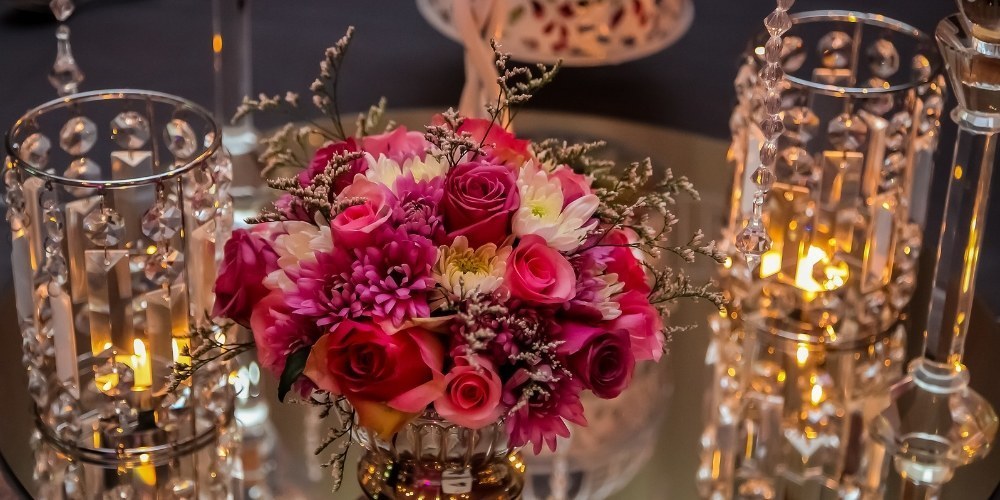
Contents:
- What “Stem Length” Actually Means in the Rose World
- The Biology Behind the Bloom: Why Stem Length Changes Everything
- Water uptake and vase life
- Fragrance and petal density
- A Story from My Own Living Room
- Growing Conditions and Origin: Where Stem Length Comes From
- How Stem Length Affects Arrangement Style
- Tall, formal arrangements
- Low centerpieces and table flowers
- Hand-tied bouquets and wrapped bunches
- Single-stem gifts
- Price Differences: What You’re Actually Paying For
- Commonly Confused: Long-Stemmed Roses vs. Spray Roses
- Practical Tips for Getting the Most Out of Either Stem Length
- Caring for long-stemmed roses
- Caring for short-stemmed roses
- Matching Stem Length to Occasion
- Romantic gestures and Valentine’s Day
- Birthdays and celebrations
- Sympathy and condolences
- Weddings
- Just because
- What Growers and Florists Know That Most Buyers Don’t
- Environmental Considerations: The Stem Length and Sustainability Angle
- The Vase Test: A Simple Decision Framework
- A Note on Seasonal Availability and What That Means for Stem Length
- Frequently Asked Questions
- Do long-stemmed roses last longer than short-stemmed roses in a vase?
- Can I cut a long-stemmed rose shorter without harming it?
- Are short-stemmed roses lower quality than long-stemmed ones?
- What stem length should I ask for when ordering a bouquet online?
- Why do roses at the grocery store always seem to have shorter stems than florist roses?
- How Florists Grade and Sort Roses by Stem Length
- The Bottom Line on Stem Length
In 1889, when the Eiffel Tower was unveiled in Paris, florists across the city reportedly sold out of long-stemmed red roses within hours. Suitors, dignitaries, and ordinary Parisians alike believed that the sheer height of a stem — a rose carried at arm’s length, its bloom held aloft like a torch — communicated something a small, bundled posy simply could not. Length, in that gilded moment, equaled grandeur. Fast-forward to any flower market today, and the mythology persists: the long stem still signals romance on a grand scale, while its shorter cousin gets quietly tucked into bud vases and everyday arrangements without nearly enough credit.
But here’s what most people never stop to think about: the difference between a short-stemmed and a long-stemmed rose goes far beyond aesthetics. It affects how the flower drinks water, how long it lasts, which vase it suits, what occasion it fits, and yes — how much you pay. Once you understand what’s actually happening below the bloom, you’ll never buy roses on autopilot again.
Long-stemmed roses (typically 24–36 inches) are bred for dramatic presentation, formal bouquets, and romantic gestures. Short-stemmed roses (under 18 inches) offer fuller, often more fragrant blooms, suit compact arrangements and everyday gifting, and tend to be more budget-friendly. Neither is objectively better — the right choice depends on your occasion, vase, and recipient.
What “Stem Length” Actually Means in the Rose World
When growers and florists talk about stem length, they’re measuring from the base of the cut to the base of the bloom — not including the flower head itself. Industry standards have shifted over the decades, but a working framework used by most wholesalers in the United States breaks down like this:
- Short stem: Under 18 inches (roughly 40–45 cm)
- Medium stem: 18–24 inches (45–60 cm)
- Long stem: 24–36 inches (60–90 cm)
- Extra-long stem: 36 inches and above (90+ cm)
Most of the roses sold in grocery store mixed bouquets fall into the short-to-medium range. The dramatic single-stem roses you see in Valentine’s Day displays — the ones in cellophane sleeves with a red ribbon — are almost always 24 inches or longer. Those extra-long stems, sometimes stretching to 40 inches, are specialty items typically grown at high-altitude farms in Ecuador and Colombia, where cooler temperatures and intense equatorial sunlight produce unusually robust canes.
Stem length is not an accident of nature. It’s a cultivated trait. Growers selectively breed rose varieties to hit specific stem targets, and they manage irrigation, pruning cycles, and light exposure to coax those stems longer or keep them compact. When you order fresh roses delivery, the stem length you receive reflects weeks of deliberate horticultural decisions — not just whatever was growing in the field.
The Biology Behind the Bloom: Why Stem Length Changes Everything
A rose stem is not simply a handle. It’s a vascular highway. Water and dissolved nutrients travel upward through xylem vessels, while sugars produced by photosynthesis move downward through phloem. The longer that highway, the more work the plant has to do — and the more things that can go wrong after cutting.
Water uptake and vase life
Cut a long-stemmed rose and place it in a shallow vase with two inches of water, and you’ve created a crisis. The stem has to pull water up 24 or more inches against gravity, through tissue that is no longer connected to a root system. Air pockets, bacteria at the cut end, and even slight bends in the stem can all interrupt that flow. This is why long-stemmed roses wilt faster than short ones under identical conditions — the physics are simply harder.
Short-stemmed roses, by contrast, have less distance to cover. They hydrate more efficiently, which translates directly into vase longevity. In controlled tests done by flower research organizations in the Netherlands, short-stemmed roses consistently outlasted their long-stemmed counterparts by two to four days when given the same water, food, and temperature conditions.
Practical implication: if you’re buying roses to decorate a dining table for a party on Saturday, long stems can absolutely work — but you’ll want to recut them under water, use a clean vase with flower-food solution, and keep them away from direct sunlight and fruit bowls (ethylene gas from ripening fruit accelerates petal drop).
Fragrance and petal density
Here’s a counterintuitive fact that surprises a lot of people: long-stemmed rose varieties are often bred for visual impact rather than scent. The commercial high-value varieties — Freedom, Red Naomi, Uhuru — have been optimized for stem length, bloom size, and shelf life. Fragrance, which requires a different genetic expression, sometimes gets traded away in that bargain.
Many short-stemmed varieties, including antique and garden roses like Yves Piaget, Keira, and the beloved Juliet, carry intensely layered fragrances precisely because they haven’t been pushed toward extreme stem production. They’re also petal-dense — some boast 60 to 100 petals per bloom — which gives arrangements a lush, romantic texture that a single long-stemmed rose simply cannot replicate on its own.
If the recipient of your flowers closes their eyes and buries their face in a bouquet, go short-stemmed. If they hold the rose at arm’s length and admire it like a sculpture, go long.
A Story from My Own Living Room
A few years ago, I was planning a small dinner for my parents’ anniversary. I wanted flowers on the table — something that felt special without blocking anyone’s sightlines across the centerpiece. I ordered two dozen long-stemmed red roses because, well, that’s what you do for anniversaries, right? Classic, dramatic, undeniable.
They arrived beautifully boxed, stems wrapped in tissue, blooms a perfect deep crimson. I put them in a tall glass cylinder vase and stepped back to admire them. Then I sat down at the table and realized immediately: nobody was going to be able to see each other. The vase full of 28-inch roses sat at the center of the table like a hedge.
I ended up cutting about ten inches off every stem, suddenly converting my long-stemmed roses into medium-stemmed roses, and the dinner looked fantastic. But I’d paid for length I didn’t use. That experience stuck with me. Now when I order roses for a table arrangement, I think about the vase and the context first — and nine times out of ten, a shorter stem serves the moment better.
Growing Conditions and Origin: Where Stem Length Comes From
The geography of rose farming matters more than most buyers realize. Extra-long stems — the ones you see in premium online flowers delivery near me searches — almost always originate from high-altitude farms in Ecuador (particularly the Cayambe and Cotopaxi regions), Colombia (Bogotá Savanna), and parts of Kenya. These regions sit near the equator, which provides consistent day length year-round. The altitude — typically 8,000 to 10,000 feet above sea level — keeps temperatures cool, slowing the rose’s growth cycle and allowing cells to elongate and firm up.
The result is a stem that can grow longer, stronger, and with larger blooms than roses grown closer to sea level. A Cayambe Ecuadorian rose might produce a 36-inch stem with a 2.5-inch bloom head as a matter of routine. The same variety grown in Florida or California at lower elevation would struggle to reach half that length.
Domestic American roses — many grown in California, particularly in the Carpinteria valley — tend to fall in the short-to-medium range. They’re often fresher (shorter supply chain), more fragrant, and better for arrangements that don’t require theatrical height. Farmers’ market roses, roadside farm stand roses, and many locally sourced varieties will be short-stemmed by default, not by deficiency.
How Stem Length Affects Arrangement Style
Interior designers and professional florists will tell you that stem length is one of the most important variables in arrangement design — arguably more important than color or variety. Here’s how it breaks down by arrangement style:
Tall, formal arrangements
Long-stemmed roses are essential for tall vase arrangements, hotel lobby displays, altar arrangements in churches, and large-scale event florals. The length allows the blooms to cascade outward and upward from a central cluster, creating the kind of sweeping visual drama that reads from across a room. For formal galas, corporate events, or wedding altars, nothing substitutes for a genuine long stem.
Low centerpieces and table flowers
This is where short-stemmed roses shine. A low, lush centerpiece — the kind where blooms are packed tightly together at varying heights just above the rim of a shallow bowl or compote vase — requires short stems. Long-stemmed roses can technically be cut down for this purpose, but you’re paying for waste. Purpose-grown short stems are a better value and often more petal-dense, which is exactly what you want when blooms will be viewed from above and from the side simultaneously.
Hand-tied bouquets and wrapped bunches
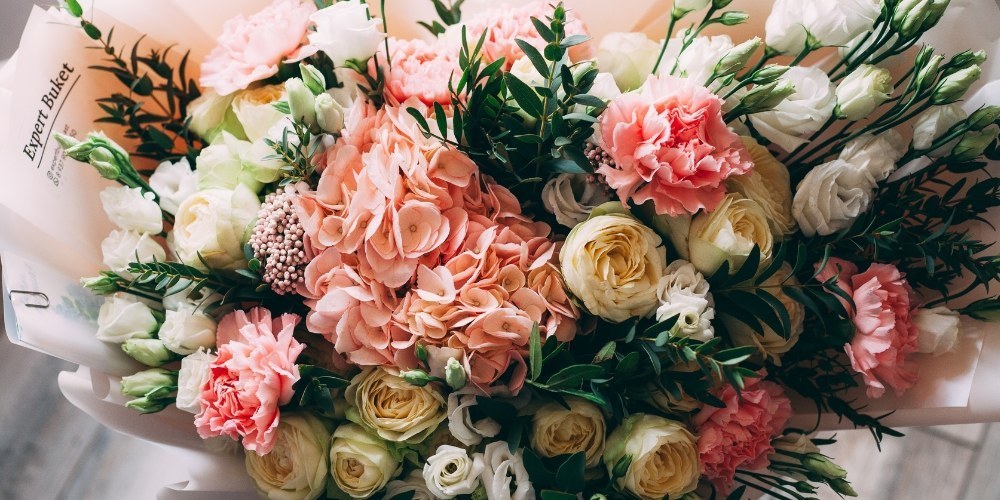
Most bridal bouquets fall in the medium-to-short stem range after the florist trims and assembles them. The exposed stem below the binding is typically 6–10 inches — just enough to hold comfortably. For a hand-tied bouquet meant to be carried, a 30-inch stem is entirely impractical. Florists buy long-stemmed roses when the client specifically wants architectural height in a bouquet (think avant-garde fashion week florals), and they buy short-to-medium roses for the vast majority of bouquet work.
Single-stem gifts
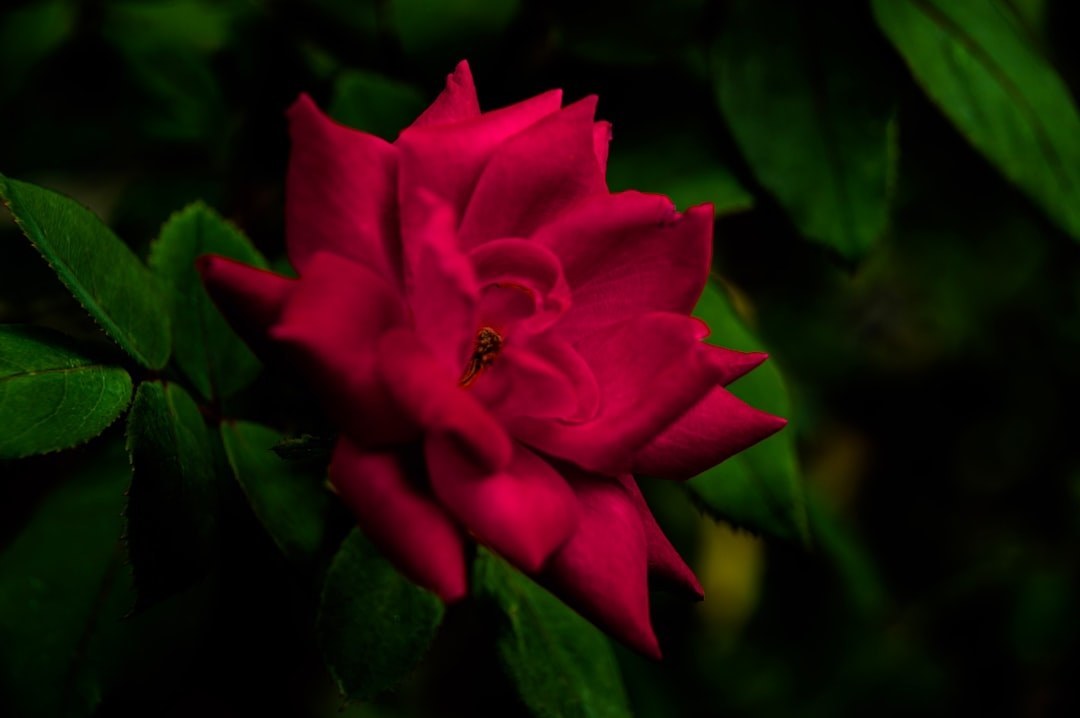
The classic Valentine’s Day single red rose? Long stem. There’s a cultural script attached to that gesture, and the length is part of the language. But a single short-stemmed garden rose placed in a bud vase on a kitchen windowsill says something entirely different — quieter, more intimate, more personal. Both are correct. They’re just different sentences.
Price Differences: What You’re Actually Paying For
Long-stemmed roses cost more. This is simply true and not likely to change. The reasons are layered:
- More growing time: A 36-inch stem takes significantly longer to produce than an 18-inch stem. Longer cycles mean more labor, water, fertilizer, and land use per stem.
- Higher breakage and waste: Long stems are physically more fragile during harvest, grading, packing, and shipping. Breakage rates are higher, and that cost gets absorbed into the price.
- Specialty growing regions: High-altitude farms in Ecuador and Colombia have higher operational costs and international shipping overhead.
- Market premium: Consumers expect to pay more for long-stemmed roses, and the market obliges. There’s a perceived-value dynamic at play that growers and retailers understand very well.
In 2026, a typical dozen long-stemmed roses (24-inch stems) from a quality online retailer runs between $65 and $120 depending on variety and delivery timing. Short-stemmed or garden roses in the same dozen quantity typically range from $35 to $75. For arrangements where stem length won’t be visible — low centerpieces, massed bowl arrangements — choosing short stems can save $30 to $50 per dozen without any visible difference in the finished product.
Commonly Confused: Long-Stemmed Roses vs. Spray Roses
A frequent source of confusion in both florist shops and online ordering is the difference between long-stemmed roses and spray roses. They look superficially similar in catalog images — both involve roses on stems — but they’re quite different plants with different uses.
A standard rose (whether short, medium, or long-stemmed) produces one bloom per stem. The entire energy of that cane goes into a single flower. This is the rose you imagine when someone says “a rose.”
A spray rose is a multi-bloom variety where each stem produces a cluster of three to seven smaller blossoms. Spray roses are naturally short — their stems branch out to support multiple buds, which limits the practical length of any single cane. They’re excellent for adding texture and volume to mixed arrangements, and they’re almost always more affordable per stem than standard roses.
If you order a bouquet labeled “spray roses” expecting the classic single-bloom long-stem look, you’ll be confused. If a florist suggests spray roses for your event centerpieces and you’re imagining elegant singular stems, clarify before ordering. The visual effect is completely different — spray roses look lush and abundant; standard single-bloom roses look architectural and deliberate.
For everyday gifting and spontaneous bouquets — the kind you send just because — spray roses mixed with short-stemmed garden roses make a stunning combination. You can explore ready-to-send options at https://thescarletflower.com/collections/just-because-flowers for a curated selection that hits that sweet spot of lush and meaningful.
Practical Tips for Getting the Most Out of Either Stem Length
Caring for long-stemmed roses
- Recut immediately: As soon as you receive long-stemmed roses, recut each stem at a 45-degree angle — ideally under running water or submerged in a bucket. This removes the air-exposed end and opens fresh xylem tissue.
- Use a tall, clean vase: Long stems need structural support. A vase that holds at least one-third of the stem length prevents bending and allows water access to the full base of the stem.
- Fill with 4–6 inches of water: Contrary to intuition, long-stemmed roses don’t need a full vase of water — they need consistent access to a few inches of fresh water. Overfilling can increase bacterial growth at the submerged portion of the stem.
- Add flower food: The packets that come with commercial bouquets are genuinely useful. They contain a mild acidifier, a sugar source, and a biocide. Use them.
- Keep away from heat and ethylene: Radiators, sunny windowsills, and fruit bowls are enemies of long-stemmed vase life. A cool, shaded spot extends life by two to three days.
Caring for short-stemmed roses
- Choose the right vase: Short stems suit wide-mouthed bowls, low compote vases, bud vases, or mason jars. Don’t force them into tall cylinders where they’ll disappear.
- Change water every two days: Short-stemmed roses with dense petal clusters can drop petals and micro-decompose slightly faster in warm environments. Fresh water prevents odor and extends display life.
- Arrange while hydrated: Garden and short-stemmed varieties sometimes have slightly softer stems than high-grown long stems. Arrange them while the stems are fully hydrated — limp stems are harder to position.
- Mix with foliage: Short stems benefit visually from greenery. Eucalyptus, ruscus, or even simple filler greens give height and framework that the short bloom can nest into gracefully.
- Don’t strip too many leaves: Leaves photosynthesize and contribute to the stem’s hydration system. Strip only the leaves that would sit below the waterline, not all the leaves on the stem.
Matching Stem Length to Occasion
Different occasions genuinely call for different stem lengths — not as a rigid rule, but as a useful default that you can consciously break when you want to make a statement.
Romantic gestures and Valentine’s Day
The long stem carries centuries of cultural weight in the context of romance. A single 36-inch red rose is a declaration. Two dozen long-stemmed roses boxed and delivered is a grand gesture that reads clearly across cultures and generations. If you’re going for unambiguous romantic theater, long-stemmed is the language to speak.
Birthdays and celebrations
Birthdays are joyful rather than solemn, and lush mixed bouquets with short-to-medium stems tend to read as warm and celebratory rather than formal. Garden roses, ranunculus, and short-stemmed roses in pinks, corals, and peaches feel festive and personal. A rigid formal long-stemmed arrangement can feel stiff for a birthday — though it depends entirely on the recipient.
Sympathy and condolences
Sympathy arrangements traditionally favor white flowers, and stem length matters less here than color and arrangement style. However, low, rounded arrangements — which work best with short stems — are widely considered more appropriate for grief than tall, showy displays. The visual language of a low bowl arrangement reads as quiet and respectful; a tall dramatic arrangement can accidentally read as celebratory.
Weddings
Wedding florals use both lengths strategically. Tall ceremony arrangements, archway florals, and altar pieces use long stems for height and drama. Table centerpieces, personal flowers (bouquets, boutonnieres, corsages), and low reception décor use short and medium stems. A wedding florist will typically source both lengths even for a single event.
Just because
The best gift category, honestly. A spontaneous bunch of short-stemmed garden roses picked up or ordered online on a random Tuesday says more than most grand gestures. There’s no occasion, no expectation, no occasion pressure attached. Short-stemmed roses are particularly well-suited to this kind of everyday intimacy.
What Growers and Florists Know That Most Buyers Don’t
Professional florists rarely buy on length alone. They source based on what a specific design needs — and that means they become expert readers of quality markers that most retail customers never consider.
A florist examining a batch of long-stemmed roses looks for: straightness of the cane, thickness at the base (a thicker stem can pull more water), tightness of the bud (tighter buds have longer vase life), absence of blemishes or black spot on the leaves, and the freshness of any visible foliage. A beautiful long stem with a slightly open bloom may look more impressive in the wholesale cooler but will last fewer days in a vase than a tighter-budded stem that looks less dramatic at purchase.
Short-stemmed roses get scrutinized for petal density and uniformity — a short stem that opens unevenly or has sparse petals will look sparse in a low arrangement rather than lush. Growers of short-stemmed garden varieties in particular are judged on how full and symmetrical each bloom opens.
When you order from a quality florist or an online flower service, this expertise is embedded in the curation. You’re not just buying a stem — you’re buying a grower relationship, a cold-chain process, and decades of sourcing knowledge.
Environmental Considerations: The Stem Length and Sustainability Angle
A topic that’s become increasingly important to flower buyers in 2026: what’s the environmental footprint of stem length?
Long-stemmed roses grown in Ecuador and Colombia require international air freight to reach American consumers. Air freight is carbon-intensive. The carbon footprint of a dozen long-stemmed imported roses is meaningfully higher than a dozen short-stemmed roses grown domestically or in a nearby greenhouse.
That said, the full picture is more complex. High-altitude Ecuadorian and Colombian farms often use less artificial heating than domestic greenhouses (the climate does the temperature regulation for free), and many have adopted water recirculation systems and integrated pest management that reduce overall inputs. Dutch-grown roses, by contrast, require heated glasshouses and significant energy input — but travel by ship rather than air to American ports.
For buyers who prioritize sustainability, locally grown short-stemmed roses — farmers’ market sourced, or from domestic specialty growers — have the smallest footprint. If you’re buying online and want to minimize impact, look for retailers who source from farms with Rainforest Alliance, Veriflora, or Fair Trade certification, and prioritize vendors with domestic sourcing options.
The Vase Test: A Simple Decision Framework
If you’re ever standing in a florist, browsing an online catalog, or trying to decide what to order, run this quick mental checklist:
- What vase will these go in? Tall cylinder or urn? Buy long stems. Wide bowl, low compote, bud vase, or jar? Buy short to medium stems.
- Will stems be visible? Hand-tied bouquets, gathered arrangements, and massed designs often bury the stems. If stems aren’t visible, length is irrelevant — buy for bloom quality and value.
- What’s the occasion signal? Grand romantic gesture? Long. Warm, personal, everyday? Short. Formal event? Long to medium. Sympathy? Short to medium, white preferred.
- What’s the budget? If cost is a factor, short-stemmed roses give you more bloom per dollar.
- Does fragrance matter? If the recipient loves scent, short-stemmed garden varieties almost always win.
A Note on Seasonal Availability and What That Means for Stem Length
Rose availability shifts throughout the year, and stem length is part of that seasonality. In the weeks surrounding Valentine’s Day (early to mid-February), demand for long-stemmed red roses spikes so dramatically that prices can double or triple. Growers time production to peak for this window, but supply still runs short relative to demand, and shorter stems or lower grades often end up in bouquets that are sold at long-stem prices.
Mother’s Day (second Sunday of May) is the second peak. Pink and garden rose varieties dominate, with a broader mix of stem lengths. Summer, particularly July and August, is often the best time to find premium domestic roses at reasonable prices — California farms are at full production, and imported volume stays steady. Winter outside of Valentine’s season is often the smartest time to order premium long-stemmed roses if you want quality without the holiday surcharge.
If you find yourself wanting roses in an off-peak period, short-stemmed and garden varieties often show the best quality-to-price ratio — seasonal supply lines align more predictably, and the growers who specialize in these varieties operate on steadier production cycles than the high-altitude long-stem farms that gear their entire output around peak holidays.
Frequently Asked Questions
Do long-stemmed roses last longer than short-stemmed roses in a vase?
Generally, no — and often the opposite is true. Short-stemmed roses have less distance to pull water from the vase to the bloom, which makes hydration more efficient. When given proper care (fresh water, clean vase, flower food, cool temperature), short-stemmed varieties frequently outlast long-stemmed ones by two to four days. Long stems can absolutely thrive in a vase, but they require more attentive care to achieve their full potential vase life.
Can I cut a long-stemmed rose shorter without harming it?
Yes, and in many cases it’s the right move. Cutting a long stem shorter actually improves water uptake and can extend vase life — shorter stems hydrate more easily. The only thing you lose is height. Use a sharp, clean knife or floral scissors and cut at a 45-degree angle. If you’re converting long stems for a low arrangement, cut them in stages rather than all at once so you can check the fit against your vase as you go.
Are short-stemmed roses lower quality than long-stemmed ones?
Absolutely not. Stem length is a design and functional characteristic, not a quality indicator. Some of the most sought-after and expensive rose varieties in the world — David Austin garden roses, Japanese specialty roses, French antique varieties — are short-stemmed. The price premium on long-stemmed roses reflects growing costs and market positioning, not intrinsic flower quality. For fragrance, petal density, and bloom complexity, short-stemmed garden varieties frequently surpass commercial long-stemmed varieties.
What stem length should I ask for when ordering a bouquet online?
If you’re ordering an arrangement that will be designed by a florist, you can trust them to select appropriate stem lengths for the style you’ve described. If you’re ordering roses to arrange yourself, describe your vase first: for a tall vase (12 inches or more), ask for 24-inch stems minimum; for a medium vase (8–12 inches), medium stems (18–22 inches) work well; for a low bowl or wide vase, ask for short stems or garden roses. Many online retailers let you specify stem length in the order notes.
Why do roses at the grocery store always seem to have shorter stems than florist roses?
Grocery store roses are sourced for price efficiency and mass distribution. Short-to-medium stems pack better, ship with less breakage, and cost less to produce — all advantages in a high-volume, thin-margin retail context. Florists source from specialty wholesalers who prioritize variety and quality over logistics efficiency, and they’re willing to pay for long stems because their customers specifically request them. This doesn’t mean grocery store roses are inferior — many are perfectly fresh and beautiful — but the stem length difference does reflect the sourcing model rather than any decision about what you’d prefer.
How Florists Grade and Sort Roses by Stem Length
Behind the scenes at wholesale flower markets and distribution centers, roses go through a grading process that most buyers never see. After harvest, stems are sorted, measured, and graded before they’re bundled and shipped. Grading isn’t just about length — it includes bloom size, foliage condition, straightness of the stem, and the absence of damage — but stem length is one of the primary categories that determines pricing tiers.
A standard rose box from Ecuador or Colombia will typically contain bunches sorted into length grades: 40 cm, 50 cm, 60 cm, 70 cm, and sometimes 80 cm or longer. Florists ordering from wholesalers specify their grade requirements, and the price difference between a 40 cm box and a 70 cm box of the same variety can be 30 to 50 percent. When florists talk about “premium stems,” they’re often talking as much about length as about variety or farm origin.
This grading system also explains why “economy” bouquets at supermarkets tend to feature shorter stems: the retailer has bought a lower length grade to hit a target retail price point. There’s nothing inherently wrong with those bouquets — the blooms can be perfectly fresh and lovely — but understanding the grading system helps you decode what you’re actually buying when you compare prices between a grocery store bunch and an artisan florist’s arrangement.
For consumers, one practical takeaway from the grading system is this: when ordering flowers online, look for retailers who are transparent about stem length in centimeters or inches. A retailer who specifies “60 cm stems” is giving you real information. A retailer who just says “long-stemmed roses” without a measurement could mean anything from 18 to 36 inches — a significant range with real implications for how those roses will look in your home.
The Bottom Line on Stem Length
Roses are one of those things where the more you know, the more you appreciate — and stem length is a perfect example of a detail that seems minor until you understand what it actually governs. It shapes the biology, the design possibilities, the price, the fragrance profile, the environmental footprint, and the cultural message of every rose you give or receive.
The long stem has earned its place as a symbol of grand romantic gesture and formal occasion for good reason: it is genuinely dramatic, architecturally striking, and carries centuries of visual vocabulary. The short stem deserves its own respect as the more intimate, often more fragrant, more versatile option — the choice of gardeners, daily flower lovers, and anyone who wants their blooms to feel like a living presence in a room rather than a sculpture on a pedestal.
When you’re choosing between the two, think about the vase before the bloom, the recipient before the occasion, and the moment before the convention. Roses are already one of the most emotionally loaded gifts in human culture — knowing exactly what length you’re choosing, and why, only makes the gesture more intentional. A 36-inch stem for the grand declaration, a cluster of short-stemmed garden roses for the quiet Tuesday that deserves flowers anyway. Both are right. Both are roses. Both carry weight.
Neither is a compromise. Both are the right answer, depending on what you’re trying to say and to whom you’re saying it. Next time you’re choosing roses, start with the moment, not the stem — and then let the stem serve the story you want to tell.