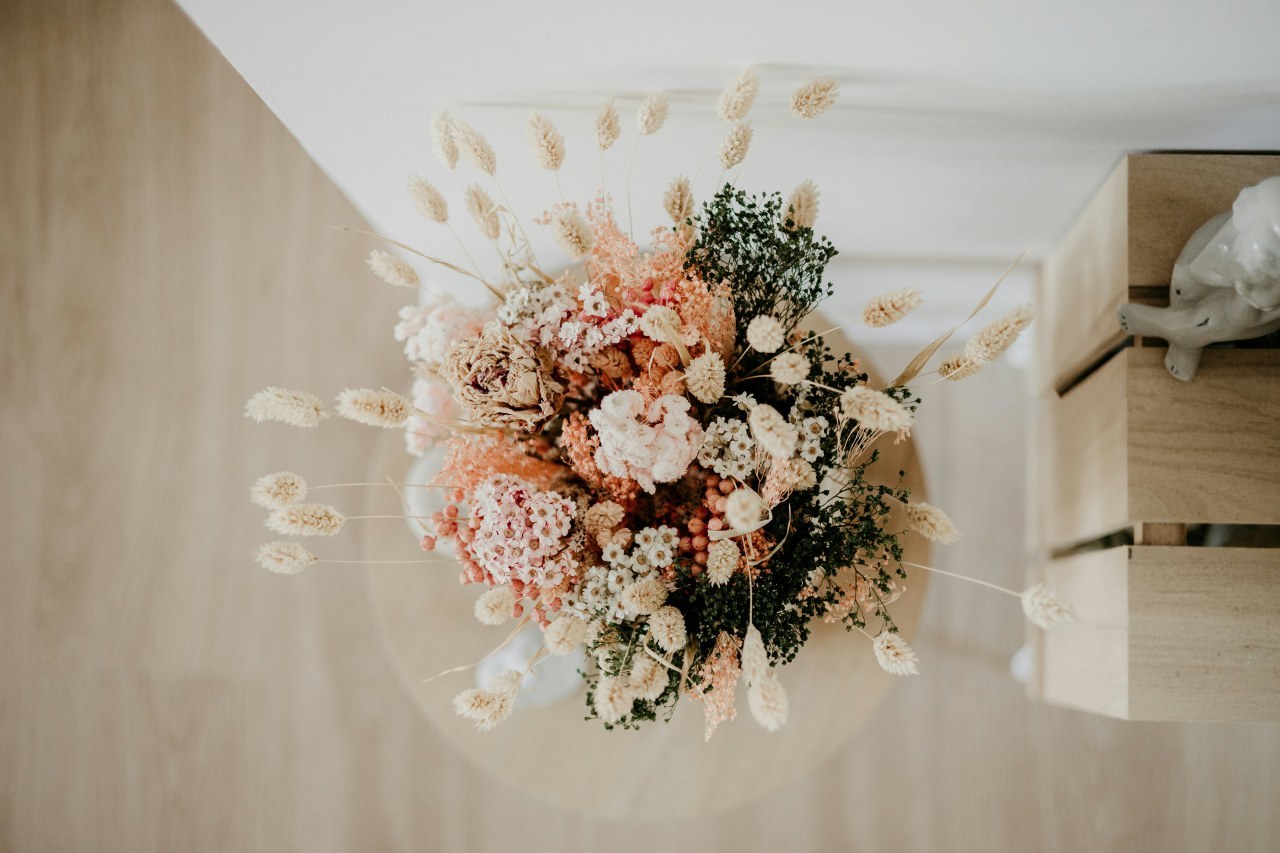
Why do we give flowers at funerals
6 min read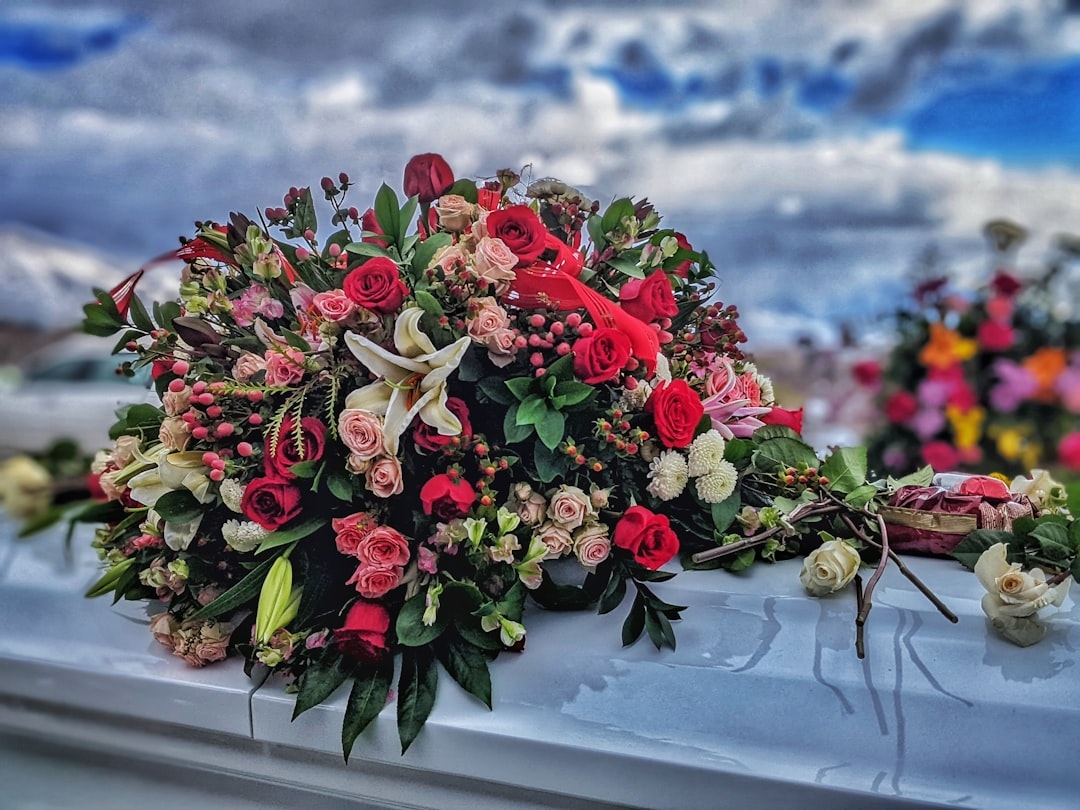
Contents:
- Quick Answer: Why Are Flowers Given at Funerals?
- The History of Funeral Flowers
- Ancient Roots and Practical Beginnings
- Modern Evolution
- The Symbolic Language of Flowers
- What Different Blooms Mean at Funerals
- Emotional and Psychological Reasons
- Giving Comfort When Words Fail
- A Ritual of Respect and Closure
- Cultural Differences and Changing Traditions in the US
- Religious Customs
- Green Funerals and Sustainable Choices
- The Practical Side: Choosing and Sending Funeral Flowers
- Types of Arrangements
- Etiquette Tips
- Local Versus National Delivery
- Why Flowers Still Matter at Funerals in 2026
- FAQ: Flowers at Funerals in the US
- What kind of flowers are appropriate for a funeral in 2026?
- How soon should I send funeral flowers?
- Are there times when flowers aren’t appropriate?
- What should I write on a funeral flower card?
- Is it better to give a plant or cut flowers for sympathy?
- Looking Forward: Rethinking How We Express Grief
Why Do We Give Flowers at Funerals?
A sea of blooms surrounds the casket. Lilies, roses, carnations–each arrangement seems to say what words cannot. Walk past any American funeral home in 2026 and you’ll see flowers everywhere. But this tradition isn’t just about beauty. It’s rooted deep in history, culture, and a very human need to connect.
Quick Answer: Why Are Flowers Given at Funerals?
Flowers are given at funerals to express sympathy, convey respect for the deceased, and offer comfort to grieving families. Their colors and scents symbolize life, love, and remembrance, while the act of giving flowers communicates emotions that may be hard to say aloud. In the US, it’s a longstanding tradition, blending sentiment, cultural norms, and even practical purposes such as masking odors before modern embalming.
The History of Funeral Flowers
Ancient Roots and Practical Beginnings
Funeral flowers aren’t just a modern gesture. Archaeologists found traces of floral arrangements in Shanidar Cave burials in Iraq, dating back over 60,000 years. Even then, blossoms played a role in saying goodbye. In 1874, Dr. Lydia Miller–a noted New Jersey horticulturist–argued that “flowers are the language of sorrow and hope, woven into our rituals for centuries.”
In America, the tradition intensified during the Victorian era. Before funeral homes and advanced embalming, strong-scented flowers like lilies and hyacinths masked the scent of death. By the turn of the 20th century, floral tributes were common at most US funerals, from small-town churches to New York’s grand cathedrals.
Modern Evolution
Today, US consumers spend over $2 billion annually on sympathy and funeral flowers (according to the Society of American Florists, 2025 report). The ritual has evolved, but the symbolism remains. Online platforms–like 1-800-Flowers, ProFlowers, and local delivery apps–have made sending funeral arrangements faster and more accessible, even nationwide.
The Symbolic Language of Flowers
What Different Blooms Mean at Funerals
Not every flower carries the same message. American florists use a kind of floral shorthand to help families choose the right tribute.
| Flower Type | Common Symbolism | Typical Use in US Funerals |
|---|---|---|
| Lilies | Purity, restored innocence | Casket sprays, church altars |
| Roses | Love, respect | Sprays, standing wreaths, baskets |
| Chrysanthemums | Grief, honor | Arrangements, especially for older generations |
| Carnations | Remembrance, devotion | Mixed sympathy bouquets |
| Gladiolus | Strength, moral integrity | Tall standing sprays |
Debra Roseman, lead designer at The Boston Flower Lounge (2026 Florist of the Year), says,
“Families often choose white lilies for their purity, but red roses remain a top pick for expressing deep, abiding love.”
Colors matter, too. White suggests peace and reverence. Red signals love and courage. Pink often means admiration–perfect for a beloved grandmother.
Emotional and Psychological Reasons
Giving Comfort When Words Fail
Grief makes speaking difficult. A well-chosen bouquet says, “I care,” without demanding a reply.
A 2024 study by Dr. Samuel Harper (Yale School of Psychology) found that 72% of Americans surveyed felt more comforted by receiving flowers than by social media condolences. “Flowers are tangible. They fill the empty spaces with warmth and color when we need it most,” Harper notes.
A Ritual of Respect and Closure
Placing flowers at a gravesite or memorial is an act of respect. It’s a way for mourners to participate, to physically do something when the rest feels helpless. The ritual helps people process loss–giving a sense of closure as petals are laid, prayers whispered, and lives remembered.
Cultural Differences and Changing Traditions in the US
Religious Customs
Not all Americans send the same flowers, or even flowers at all.
- Catholic and Protestant funerals typically welcome all types of flowers, with preference for white blooms.
- Jewish funerals often discourage flowers, favoring charitable donations or food gifts (shiva baskets) instead.
- Muslim funerals may accept simple white flowers, but elaborate displays are less common.
Local custom matters. In New Orleans, jazz funerals sometimes feature vibrant, colorful arrangements alongside music and dance. In the Midwest, understated bouquets are the norm.
Green Funerals and Sustainable Choices
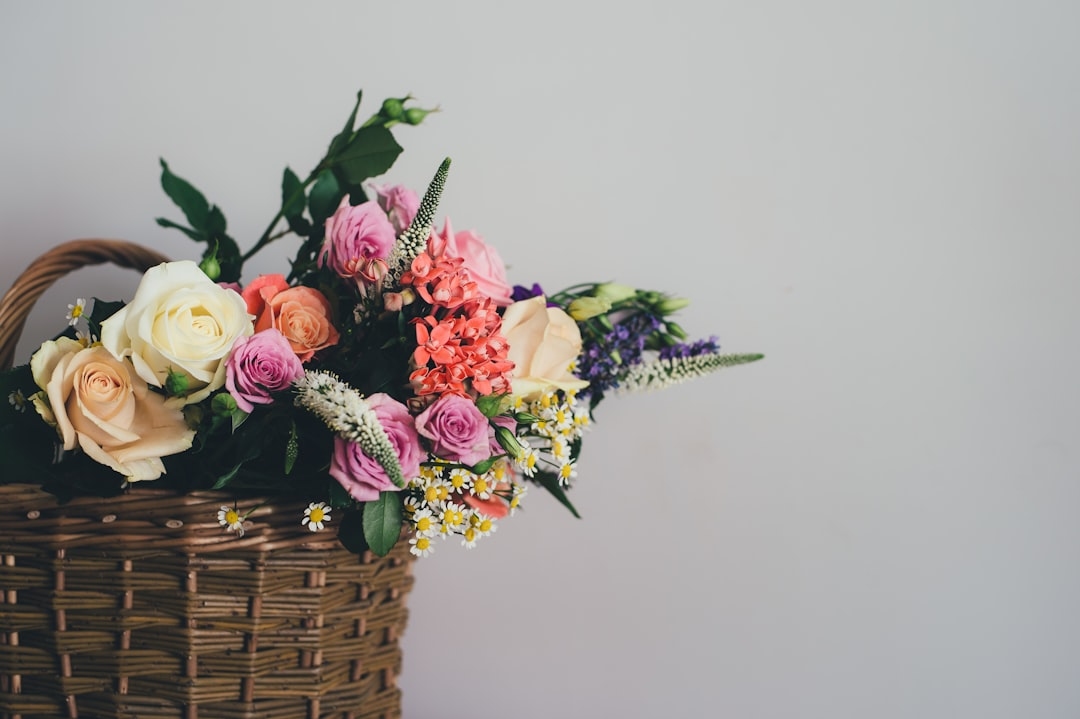
Eco-consciousness is rising. In 2026, nearly 18% of US funeral homes offer green burial options, and many families request locally-grown, biodegradable arrangements. Florists like UrbanStems and The Bouqs Co. now market “eco-sympathy” bouquets–no wire, no foam, and compostable stems.
The Practical Side: Choosing and Sending Funeral Flowers
Types of Arrangements
Not sure what to send? Here’s a quick list of popular US sympathy options, with typical prices as of 2026:
- Casket Spray ($200-$400): Large, formal, sent by close family.
- Standing Spray or Wreath ($150-$350): Displayed beside the casket, from extended family or close friends.
- Sympathy Basket ($55-$150): Smaller, suitable for relatives, coworkers.
- Plants (Peace Lily, Orchids, etc.) ($45-$120): Last longer than cut flowers; can be kept at home.
Etiquette Tips
- Know the family’s wishes. Some prefer donations to flowers.
- Order early. Most US florists need 1-2 days’ notice for custom funeral arrangements.
- Include a card. Short, heartfelt messages go a long way.
Local Versus National Delivery
Ordering from a local shop like Dallas’ In Bloom or San Francisco’s Church Street Flowers ensures arrangements suit the venue and culture. National services (Teleflora, FTD) offer quick shipping–even same-day for late planners.
Why Flowers Still Matter at Funerals in 2026
Despite tech advances, funeral flowers remain one of the most personal ways to express sympathy and support in America. They mark one of life’s hardest moments with color, meaning, and a sense that–even now–someone cares enough to remember.
“Every arrangement tells a story,” reflects Laura Kim, owner of Kim’s Florals in L.A. “When no words feel right, flowers speak for us.”
FAQ: Flowers at Funerals in the US
What kind of flowers are appropriate for a funeral in 2026?
White lilies, roses, chrysanthemums, and carnations remain traditional choices for US funerals. Consider the family’s cultural or religious background, and opt for subtle, respectful arrangements unless you know a preference for something brighter.
How soon should I send funeral flowers?
Aim to have flowers delivered before the visitation or service–ideally with 24-48 hours’ notice. Sympathy baskets or plants can be sent to the family’s home after the funeral as well.
Are there times when flowers aren’t appropriate?
Yes. Some Jewish and Islamic funerals, and some green or eco-friendly services, request no flowers. Always check the obituary notice or ask the family if unsure.
What should I write on a funeral flower card?
Keep messages short and sincere. Examples:
- “With deepest sympathy and love.”
- “In loving memory.”
- “Thinking of you at this difficult time.”
Is it better to give a plant or cut flowers for sympathy?
Both are appropriate, but plants like peace lilies or orchids last longer and can serve as ongoing reminders of support. Cut flowers are more traditional for the service itself.
Looking Forward: Rethinking How We Express Grief
The tradition of giving flowers at funerals isn’t going anywhere–but it is changing. From biodegradable bouquets to text-message condolences, Americans are finding new ways to say goodbye. The next time you send a sympathy arrangement–whether it’s a classic white lily spray or a wild, local bloom–know you’re taking part in one of the most enduring, meaningful rituals of the human heart.
For those planning ahead, talk with your florist about sustainable options, or ask about custom tributes that speak directly to your loved one’s personality. There’s no single right way to say goodbye, but a thoughtfully chosen flower still says it best.